- All
- Product Name
- Product Keyword
- Product Model
- Product Summary
- Product Description
- Multi Field Search

Views: 2 Author: Site Editor Publish Time: 2026-03-03 Origin: Site
Age-appropriate zones help keep kids safe.
Clean and cared-for equipment stops accidents.
Cushioned floors and padded parts protect from injuries.
Watching over kids helps you feel calm.
You should have a safe Indoor Soft Playground that cares about your child.
Always look for safety certifications like ASTM or EN. These show the equipment is safe for kids.
Check the playground materials for good quality. Pick safe materials like wood, plastic, and rubber. These help protect kids from getting hurt.
Choose equipment that fits your child’s age. Make sure toddlers have their own safe play areas. This keeps them away from older kids and prevents accidents.
Find surfaces that are easy to clean. Clean playgrounds stop germs from spreading. This helps keep kids healthy.
Think about having experts install the playground. Professionals set up equipment the right way. They make sure everything follows safety rules.
When you go into an indoor soft playground, you should see proof that the equipment is safe. These certifications mean Ball Pit, Playhouse, and Slides were checked for dangers and strength. You might see labels like ASTM or TUV. These names are trusted for playground safety. ASTM F1918 is used in the USA and Canada. It checks for things like trapping and keeping kids inside. EN 1176 is used in Europe and other places. It checks fall zones and how strong the playground is.
Here’s a quick look at the most recognized certifications:
Certification | Region | Primary Focus | Testing Body |
|---|---|---|---|
ASTM F1918 | USA/Canada | Entrapment & Containment | Certified Labs (SGS) |
EN 1176 | Europe/International | Fall Zones & Structural Strength | TUV Rheinland, SGS |
Many playground brands, like Dream Garden and VASIA, use ASTM, EN, and CE standards. These rules help keep kids safe when they play.
You can check for safety certifications in simple ways. Look for labels on the equipment. Sometimes there are stickers or tags near the entrance or on Ball Pit, Playhouse, or Slides. If you don’t see any, ask the staff for papers. They should show you certificates from trusted groups like TUV or SGS.
Here’s a tip:
Always ask for proof if you are not sure. Real certifications come from groups like IAAPA, TUV, or SGS. Companies such as Wenzhou Dream Garden Amusement Equipment Co., Ltd. give these papers.
You can also check if the playground is part of industry groups. If you see IAAPA listed, that is a good sign. When you check these things, you help make sure your child’s play area is safe.
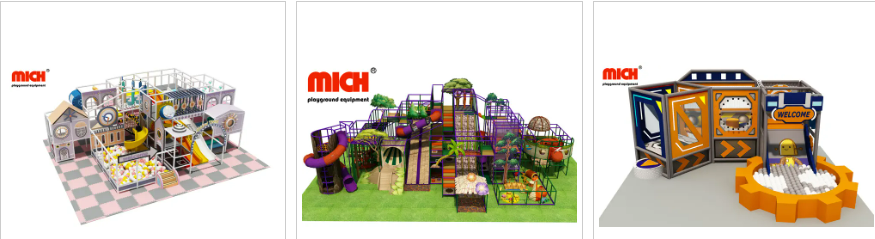
You want your child to play where the materials are safe. Indoor playgrounds use strong materials that follow safety rules like ASTM 1918-12 and EN 1176-1177. These rules help keep Ball Pit, Playhouse, and Slides safe for kids. Look for equipment made from:
Wood: Redwood and cedar are good choices. They do not rot easily. They also keep bugs away. Manufacturers add coatings to protect wood from water.
Plastic: Bright colors make kids happy. Plastic feels smooth. Staff check for cracks often to keep it safe.
Rubber: Soft rubber helps protect kids when they fall. It covers floors and parts of equipment. This makes play safer and more fun.
You may see soft foam tiles or rubber padding under the Ball Pit or Slides. These materials help cushion falls. They also make cleaning easier. Here is a quick look at flooring choices:
Flooring Material | Characteristics |
|---|---|
Soft Foam Tiles | Comfortable, great cushioning, easy to clean, many designs. |
Rubber Padding | Absorbs shocks well, reduces noise, comes in different thicknesses. |
Artificial Turf | Needs little care, easy to clean, no mowing or watering. |
Check for damage every time you visit an indoor playground. Look for cracks in plastic, splinters in wood, or loose rubber padding. If you see faded colors or torn spots in the Ball Pit or Playhouse, the equipment needs fixing. Slides should feel smooth and strong. They should not be shaky or rough.
You help keep your child safe when you notice problems early. Clean and cared-for equipment means fewer accidents and more fun for everyone.
When you go into an indoor playground, you see different equipment. Not everything is made for all ages. Designers make special things for each age group. If your child is a toddler, look for equipment that fits their size. Toddler soft play equipment has gentle shapes and is not very tall. There is lots of padding to keep kids safe. As kids get older, the equipment changes. Here is how it looks for each age:
Age Group | Design Features |
|---|---|
Toddlers (1-3) | Low climbing structures, wide steps, gentle slides, soft play mats, simple sensory panels, large ball pits, open floor space |
Preschoolers (3-5) | More challenging climbers, longer slides, balance beams, tunnels, simple hanging elements, space for pretend play |
School-Age (6+) | Tall climbing structures, equipment for strength and coordination, swings, monkey bars, group play areas |
Let’s talk about Ball Pit, Playhouse, and Slides. For toddlers, the ball pit should be shallow and have big, soft balls. The playhouse should have wide doors and no sharp edges. Slides for toddlers are short and gentle. They have soft landings. When kids get older, slides get longer and playhouses get taller. Ball pits have more balls for bigger kids.
You want your toddler to be safe when they play. Age-appropriate zones help keep toddlers away from fast-moving older kids. Toddler soft play equipment is in its own area. Your toddler can crawl, climb, and slide without worry. Here is why this is important:
Evidence Type | Description |
|---|---|
Age-Appropriate Zoning | Separate zones for toddlers and older kids reduce accidents and prevent collisions. |
Equipment Height and Complexity Adjustments | Matching equipment to your toddler’s abilities prevents injuries. |
Research Impact | Good planning can lower injury rates by up to 30%. |
When you pick toddler soft play equipment, look for soft mats and rounded edges. Make sure there are strong handrails. Ball pits should be easy to get in and out of. Playhouses need windows you can see through. Slides should have high sides and a gentle slope. These things help your toddler play safely and feel brave.
You want your child to play somewhere clean. Look at the surfaces in indoor playgrounds. Some materials are easier to clean and keep germs away. Ball Pit, Playhouse, and Slides should have surfaces you can wipe or wash fast. Synthetic turf, rubber floor tiles, and poured-in-place rubber are good choices. These surfaces do not hold dirt and spills are easy to see.
Surface Type | Maintenance Ease |
|---|---|
Synthetic Turf | Simple to care for, no lost items |
Rubber Floor Tiles | Needs sweeping and vacuuming often |
Poured in-Place Rubber | Needs cleaning and quick spill cleanup |
Removable covers for soft play areas are helpful. You can wash them in a machine and put them back. This keeps Ball Pit, Playhouse, and Slides clean and safe. When surfaces are easy to clean, germs spread less and safety is better.
Strong cleaning routines help keep kids healthy. Staff should use a written plan and train everyone. Cleaning starts with checking for spills or damage. Floors get swept or vacuumed, and trash is picked up. Ball Pit, Playhouse, and Slides need cleaning and disinfecting many times each day.
Here’s what a good cleaning routine looks like:
Spot-clean and disinfect restrooms every hour or when needed.
Deep-clean soft play and fabric parts daily or weekly.
Clean and disinfect ball pits as the manufacturer says.
Use machine-washable covers for soft play and wash them often.
Clean surfaces every day and sanitize during the day.
Clean right after spills or accidents.
Keep a checklist so nothing gets missed.
Routine cleaning and disinfecting stop germs from spreading. Busy areas need extra care. When you see staff cleaning Ball Pit, Playhouse, and Slides often, you know safety matters. Good ventilation keeps air fresh and lowers breathing risks. You can feel sure your child is playing in a safe place.
You want your indoor playground to feel open and safe. Start by measuring the area where you plan to place Ball Pit, Playhouse, and Slides. Think about how many kids will play at once. For toddlers, you need at least 30 square feet per child. For older kids, the space ranges from 30 to 40 square feet per child. This helps prevent crowding and keeps everyone comfortable.
Here’s what you should check:
Main passageways should be 1.5 to 2 meters wide. Kids and adults can move freely and evacuate quickly if needed.
Secondary passageways work best at 1 to 1.5 meters wide. Avoid sharp corners and blind spots to reduce collision risks.
Keep a buffer space of 1 to 1.5 meters around Ball Pit, Playhouse, and Slides. This protects children from bumps and gives them room to play.
Place public rest areas away from play equipment. Parents can watch their kids without blocking the action.
Tip: Walk through your space and imagine kids running, crawling, and sliding. If you spot tight spots or blind corners, adjust your layout.
Picking the right size for your playground matters. If your playground is too small, kids feel crowded and accidents happen more often. If it’s too big, it can feel empty and less exciting. Match the size to the number of children and their ages.
Consider these factors:
Flat areas make installation easier.
Stable soil supports heavy equipment like slides and climbing structures.
The shape of your space should fit Ball Pit, Playhouse, and Slides, with room for future expansion.
Sun exposure affects comfort. Shade keeps equipment cool.
Mature trees offer shade but may complicate installation.
You can also ask local families what features they want. Review nearby playgrounds to see what’s missing. Think about the age groups and how often kids will use the space.
A good layout improves supervision. Injuries from poor supervision make up about 40% of playground accidents. Place staff where they can see all areas. Identify blind spots and monitor them often. This keeps Ball Pit, Playhouse, and Slides safe and fun for everyone.
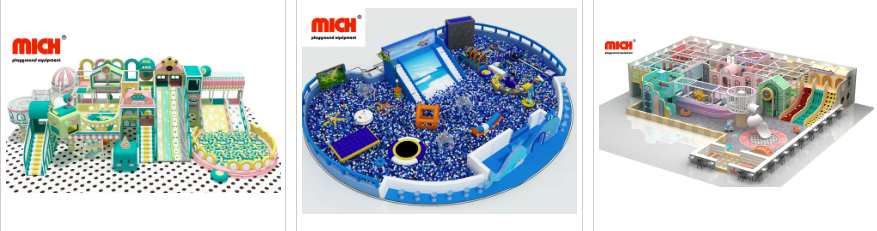
You want your playground to be safe and fun. You also need to stay within your budget. When you pick equipment, prices can be very different. Ball Pit, Playhouse, and Slides are popular. Quality and safety should come first. School-age kids use playgrounds often. You need strong materials that last.
Check this table for average costs of safe playgrounds:
Playground Size | Cost Range |
|---|---|
Small | $20,000 - $50,000 |
Medium | $50,000 - $100,000 |
Large | $100,000 and up |
You may wonder how your money is spent. Safety surfacing costs a lot. Professional installation takes up about 25-35% of your budget. Safety surfacing and installation cost $15 to $35 per square foot. The price depends on the materials you pick. Safety features are part of the playground structure. All playgrounds are made to be safe and strong. This helps you feel calm.
When you choose equipment for school-age soft play, make smart choices. Certified equipment meets safety standards like ASTM, EN, TUV, CE, SGS, CPC, ISO, and EN1176. This gives you confidence. Non-toxic, BPA-free materials and strong steel help Ball Pit, Playhouse, and Slides last longer. Rounded edges and soft surfaces protect school-age kids from injuries.
Here are features that give you the best value:
High-quality materials that are non-toxic and impact-resistant.
Soft landing zones with padded surfaces and cushioned flooring.
Regular inspections and maintenance checks to keep school-age soft play safe.
You should spend money on features that protect school-age kids. Soft landing zones and padded surfaces help stop injuries. When you pick school-age soft play equipment, look for rounded edges and strong handrails. Regular maintenance keeps Ball Pit, Playhouse, and Slides safe for everyone.
School-age children need a playground that grows with them. When you invest in quality and safety, you make a space where school-age kids can play, learn, and stay safe.
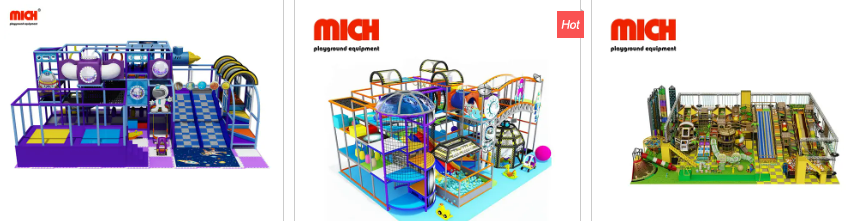
You might think about installing your playground yourself. You could also hire professionals to do it. Both choices have good points. But you want Ball Pit, Playhouse, and Slides to be safe. Professional installers know safety rules well. They make sure every part fits right. They check that all edges are rounded. They also test each feature for safety.
Here are some reasons to pick professional installation:
Certified teams plan and finish the whole job.
Professionals work fast and follow safety codes.
They check all edges and test for strong parts.
You get a warranty and lower accident risks.
Professionals save you time and hidden costs.
DIY can look cheaper at first. But you might skip important safety steps. You may not see if edges are sharp or parts are loose. If you want your playground to last, pick professional help.
Tip: Ask installers about their work with Ball Pit, Playhouse, and Slides. Make sure they check all edges and features before they finish.
Every family has a different space. You want your playground to fit your needs. Custom playgrounds let you add new things as your child grows. You can start with Ball Pit and Playhouse. Later, you can add Slides or climbing walls. Modular designs let you change features easily. Rounded edges keep everything safe.
Here’s why custom playgrounds are a good idea:
You can add or take away features as needed.
Modular sets give you more choices.
You don’t need to buy new things every year.
Rounded edges stay safe as you add more.
You can match features to your child’s age.
Expandable playgrounds grow with your child. You can add tunnels, slides, or sensory panels. Rounded edges protect your child as you change things. Custom designs help you make a space that fits your family. Ball Pit, Playhouse, and Slides stay safe and fun.
Note: Pick equipment with rounded edges and flexible parts. This keeps your playground safe and fun for a long time.
You can pick the best playground for your child by using these seven tips. Ball Pit, Playhouse, and Slides give kids fun ways to use their senses. Kids get health benefits and adults can watch them easily. Custom designs let you change the playground as your child grows. Clean surfaces and strong materials help you feel calm and safe. Age-appropriate zones keep toddlers and older kids safe. Professional installation makes the playground safer and adds more sensory play. You build a place with lots of fun and sensory activities.
Remember, a good playground gives lasting benefits. Your child gets sensory play, health benefits, and lots of fun.
You need child-safe coverings and strong padding. Durable frames help keep kids safe. Ball Pit, Playhouse, and Slides should have soft padding. Strong materials stop injuries. These features make play safe and fun. Kids can enjoy sensory play without worry.
Staff should clean Ball Pit, Playhouse, and Slides every day. Regular cleaning keeps germs away. Easy-to-clean surfaces help stop germs from spreading. Clean equipment makes indoor play safe. Kids have more fun when everything is clean.
Indoor soft playgrounds can fit almost any space. Custom designs let you add Ball Pit, Playhouse, or Slides. Modular playgrounds use strong padding and frames. You can build safe play areas for all ages. Kids stay safe no matter the space size.
Protective padding covers Ball Pit, Playhouse, and Slides. Padding helps stop injuries and keeps kids safe. It absorbs impacts and makes play comfortable. Child-safe coverings and padding help with safety. Kids can enjoy sensory play in every playground.
Indoor playgrounds use strong frames and tough padding. Equipment lasts through years of play. Ball Pit, Playhouse, and Slides stay safe and sturdy. Durability means less worry for parents. Kids can play longer and have more fun indoors.