- All
- Product Name
- Product Keyword
- Product Model
- Product Summary
- Product Description
- Multi Field Search


Views: 0 Author: Site Editor Publish Time: 2026-09-28 Origin: Site
Approximately 70% of the world's toys are manufactured in China, yet recent regulatory investigations highlight severe safety failures in cheap, direct-to-consumer imports. Buyers—including parents, schools, municipal purchasers, and commercial facility operators—face a critical dilemma. You must balance the efficiency of overseas manufacturing with the non-negotiable requirements of child safety, structural longevity, and liability mitigation.
The label "Made in China" is not a monolith. The safety of these products depends entirely on the sourcing channel. You must distinguish between unvetted marketplace sellers exploiting import loopholes and established, compliant manufacturers adhering to global safety standards. Understanding this distinction is the baseline for securing safe, durable, and compliant equipment for any commercial or residential project.
Defining what constitutes a safe outdoor toy involves evaluating chemical safety, structural integrity, longevity, and child impact hazards. You must contrast these strict engineering requirements against the high-risk realities exposed by consumer protection agencies monitoring cross-border e-commerce.
The de minimis regulatory loophole allows inexpensive, uninspected toys to bypass US Customs and Border Protection (CBP) and EU border safety checks. High-volume, low-value packages slip through borders without standard custom safety declarations or domestic compliance checks. This creates a massive blind spot in consumer protection, allowing unverified plastics and metals directly into playgrounds and backyards.
The PIRG "Trouble in Toyland" report provides context on how these high-volume shipments evade scrutiny. Global watchdogs have raised severe alarms regarding these imports. Investigations by the European Environmental Bureau (EEB) show that out of flagged direct-to-consumer toy imports, 92% were categorized as a "serious risk." Furthermore, 51% were contaminated with banned phthalates. The Center for Global Development (CGD) revealed that when testing multiple major Chinese direct-to-consumer e-commerce platforms, only a single platform demonstrated consistent compliance with European safety norms.
You must contrast the operational realities, safety standards, and legal accountability of fly-by-night marketplace sellers with tier-one commercial manufacturers. Unvetted sellers often prioritize speed and cost over safety, utilizing regrind plastics and untested paints, leaving buyers vulnerable to severe physical and chemical risks.
Established factories operate as OEM/ODM partners for major Western brands. A reputable China Playground Manufacturer utilizes the exact same safety protocols, structural engineering, and quality assurance frameworks required by international markets. These manufacturers invest heavily in compliance, material transparency, and automated production lines to ensure batch consistency.
| Evaluation Metric | Unvetted Marketplace Sellers | Established Commercial Manufacturers |
|---|---|---|
| Material Sourcing | Unknown regrind plastics, untested scrap metals | Virgin LLDPE, hot-dip galvanized steel |
| Safety Certifications | Forged or non-existent | Verified SGS/TÜV reports (ASTM/EN) |
| Structural Engineering | No load-bearing calculations | CAD-tested, wind and snow load rated |
| Chemical Testing | High risk of lead and phthalates | RoHS and REACH compliant |
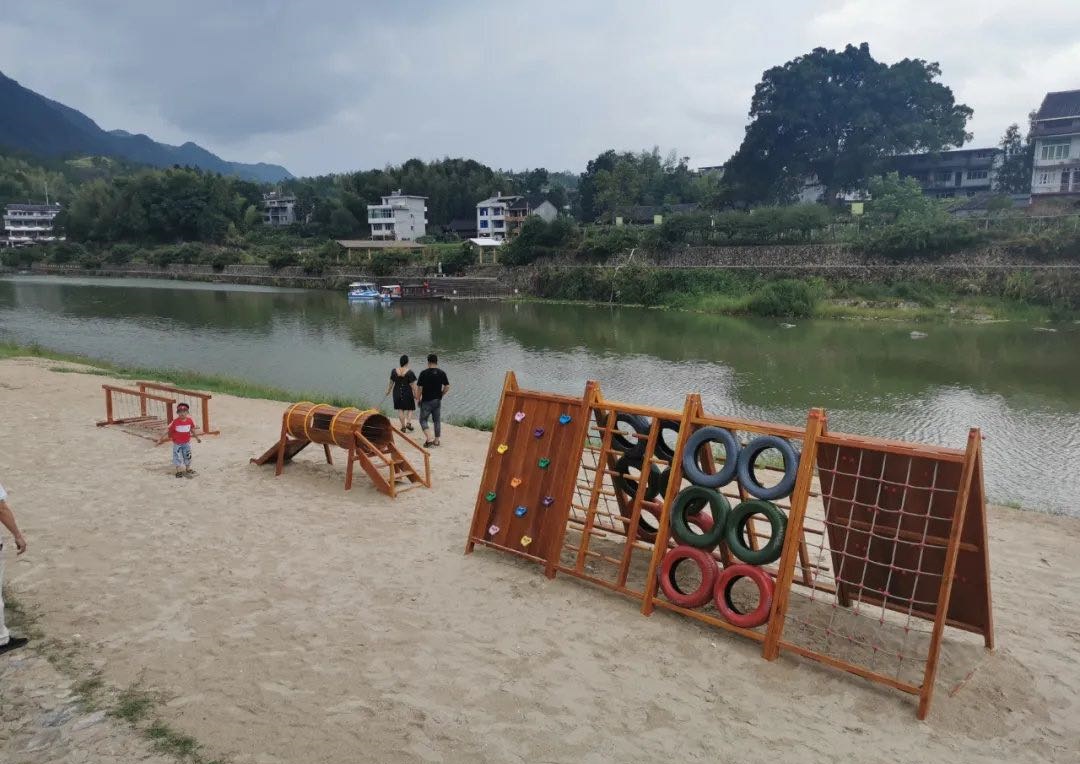
Evaluating overseas playground and outdoor toy suppliers requires breaking down specific physical and chemical hazards. You must assess these dimensions to ensure the safety and longevity of your investments. Field experience shows that failures in these areas lead to immediate injuries and rapid equipment degradation.
Phthalate exposure is a significant concern in soft plastics. While used for flexibility, phthalates are linked to endocrine disruption and other health issues. You must also address the dangers of lead, cadmium, and heavy metals. These toxic elements often appear in cheap surface paints, protective coatings, and galvanized metals exposed to outdoor weathering. When paint flakes off a poorly coated swing set, children are directly exposed to these heavy metals.
BPA and toxic sealants present additional chemical hazards. These substances can be found in plastic moldings and wood preservative treatments. Over time, rain and UV exposure cause these chemicals to leach out, posing long-term risks to children interacting with the equipment daily.
Choking hazards remain a primary concern, particularly from poorly secured small parts or easily accessible button-sized batteries in electronic outdoor play elements. You must evaluate these risks meticulously using standard small parts cylinders during inspections.
Structural hazards in larger equipment include head and neck entrapment zones, inadequate load-bearing capacities, sharp edges, and pinch points. A poorly designed guardrail might allow a child's body to pass through but trap their head. Furthermore, environmental degradation poses a severe risk. Using cheap plastics without UV-resistant treatments causes the material to quickly become brittle, crack, and fail under direct sunlight, creating sharp shards and structural collapse risks.
Sensory-focused outdoor products, such as mud kitchens, sandboxes, and water play tables, carry unique risks. You must assess the potential for wood splintering and the use of non-food-grade plastics that harbor bacterial biofilm in standing water.
Additionally, toxic varnishes used to weather-proof sensory play structures introduce chemical hazards. Evaluating these specific risks ensures that sensory play environments remain safe, hygienic, and structurally sound through multiple seasons of heavy use.
To shortlist, audit, and approve an overseas manufacturing partner, you need an objective evaluation framework. This framework ensures compliance and scalability for your projects, separating legitimate factories from trading companies.
For US market compliance, CPSC registration and ASTM F1487 (Standard Consumer Safety Performance Specification for Playground Equipment for Public Use) or ASTM F963 (for toys) certifications are absolutely necessary. For the EU market, EN1176 (Playground equipment and surfacing), EN71 (Toy safety standard), and CE marking requirements dictate compliance.
You must understand how to read, interpret, and verify a legitimate Declaration of Conformity (DoC). This document serves as the foundation of a manufacturer's safety claims and must explicitly list the testing standards applied to the specific product model.
Independent, accredited testing laboratories like SGS, TÜV Rheinland, and Intertek play a crucial role in verifying safety. You must rely on their expertise to confirm compliance rather than trusting factory-issued documents.
Implement strict verification protocols. Cross-reference certificate numbers directly with the issuing laboratory's database. This process prevents certificate forgery and bait-and-switch documentation practices where a factory uses one clean test report for entirely different product lines.
Define safe material baselines for your procurement. Require food-grade LLDPE (Linear Low-Density Polyethylene), virgin HDPE (High-Density Polyethylene), powder-coated galvanized steel, and non-toxic, weather-resistant sealants. These materials ensure durability and safety.
Specifying UV-stabilizers in plastics is critical. A UV 8 or UV 15 rating prevents premature weathering and structural degradation, ensuring the longevity of Kids Outdoor Playground Equipment. Without these stabilizers, vibrant colors fade in months, and the plastic loses its impact resistance.
Protecting commercial investments and ensuring long-term child safety requires practical risk mitigation steps. You must navigate implementation risks carefully, establishing strict quality control gates before any funds are transferred.
Identify critical warning signs during the procurement process. A refusal to provide verifiable lab reports is a major red flag. Prices that drastically undercut market averages often indicate compromised material purity, such as using recycled scrap plastic instead of virgin LLDPE.
Additionally, an inability to answer technical compliance questions regarding fall heights, use zones, or entrapment probes demonstrates a lack of engineering expertise and commitment to safety standards.
Analyze the long-term liability when evaluating suppliers. The upfront savings of choosing an uncertified supplier pale in comparison to the catastrophic costs of product recalls, liability lawsuits, facility closures, and reputational damage. Investing in certified, tested equipment acts as an insurance policy against structural failures and chemical exposure claims.
Implement a rigorous step-by-step risk mitigation protocol to secure safe china outdoors toys for kids.
Procuring outdoor play structures from overseas requires strict adherence to safety protocols and material verification. You must prioritize regulatory compliance over the absolute lowest cost to protect children and your investment.
A: No. While reputable manufacturers targeting commercial channels test rigorously, items shipped via direct-to-consumer online marketplaces and de minimis loopholes often bypass border safety inspections and chemical checks entirely.
A: A reputable manufacturer should hold ASTM F1487 and ASTM F963 for US markets, EN1176 and EN71 for EU markets, ISO 9001 for quality management, and maintain CPSC compliance registries.
A: You can verify a certificate by checking the certificate number on the official online verification portals of accredited testing bodies such as SGS, TÜV Rheinland, or Intertek.
A: UV stabilization prevents plastics from becoming brittle, cracking, and degrading under direct sunlight, ensuring structural integrity and preventing safety hazards over time.
A: A pre-shipment inspection involves hiring an independent third party to visit the factory, test structural integrity, verify material safety, and check batch consistency before the products are loaded into shipping containers.