- All
- Product Name
- Product Keyword
- Product Model
- Product Summary
- Product Description
- Multi Field Search

Views: 4 Author: Site Editor Publish Time: 2026-01-30 Origin: Site
Have you ever wondered what makes trampoline parks so popular? These exciting venues provide fun and fitness for all ages. However, safety is a crucial concern in this booming industry.
In this guide, we will explore what a trampoline park is and its purpose. We’ll also discuss the importance of safety, backed by statistics on trampoline injuries.
You’ll learn about essential safety standards and best practices for creating a safe trampoline park environment.
Trampoline parks are thrilling venues designed for fun and fitness. They feature a variety of attractions that cater to both children and adults. Here are some key elements that make them stand out:
● Trampolines: The core attraction, these come in various sizes and configurations. They allow users to jump, flip, and soar in a safe environment.
● Foam Pits: These provide a soft landing for jumpers, reducing the risk of injury. They are perfect for practicing tricks and flips.
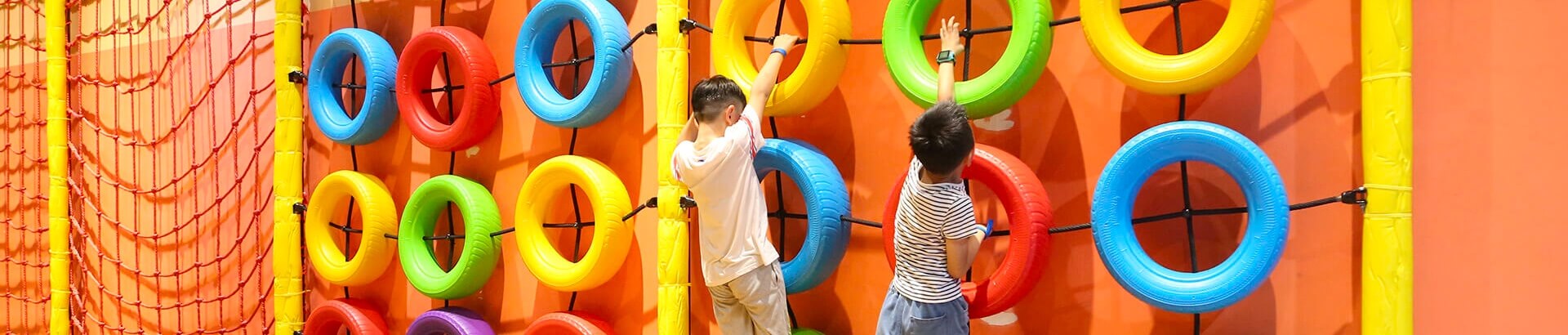
● Climbing Walls: Many parks include climbing walls, adding an extra layer of challenge and excitement to the experience.
● Obstacle Courses: Designed for active play, these courses often include elements like balance beams and rope swings.
Attraction Type | Features | Benefits |
Trampolines | Various sizes, interconnected | Enhances jumping skills, promotes fitness |
Foam Pits | Soft, cushioned landings | Reduces injury risk, encourages trick practice |
Climbing Walls | Different difficulty levels | Builds strength and coordination |
Obstacle Courses | Engaging challenges | Fosters teamwork and friendly competition |
Trampoline parks offer more than just fun; they provide numerous health and social benefits. Engaging in trampoline activities can significantly improve physical health.
● Physical Health Benefits: Jumping on trampolines is a fantastic cardiovascular workout. It helps improve coordination and balance, making it an excellent exercise for all ages. Just 30 minutes of jumping can burn as many calories as running for the same duration!
● Social and Recreational Benefits: Trampoline parks are ideal for family bonding. They create an atmosphere where families can enjoy quality time together. Additionally, these parks promote community engagement by hosting events and birthday parties, bringing people together for shared experiences.
In summary, trampoline parks are unique spaces that combine various attractions with significant health and social benefits. They cater to a wide audience, creating an inclusive environment for fun and fitness.
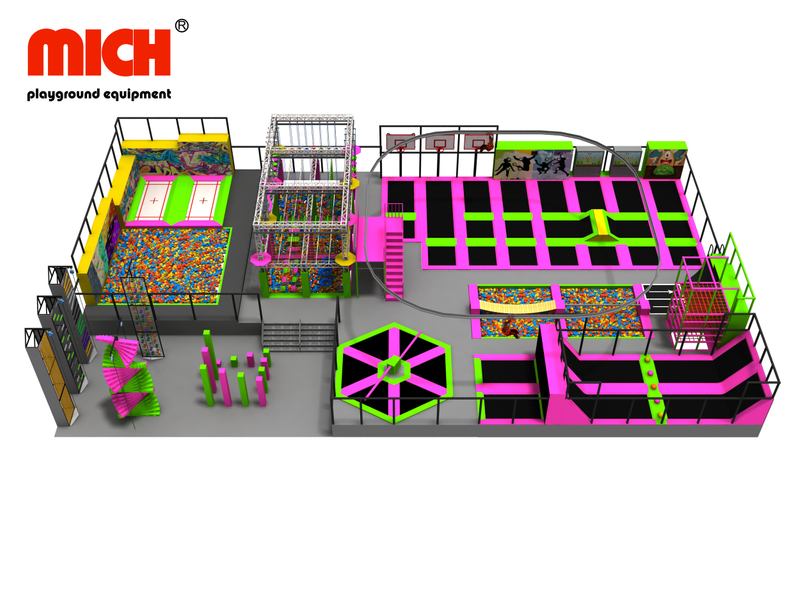
When building a trampoline park, adhering to safety regulations is crucial. Two major standards are the ASTM (American Society for Testing and Materials) and EN (European Norm) standards. These guidelines provide a framework for ensuring safety in trampoline parks.
● ASTM Standards: These standards focus on the design, performance, and safety of trampoline park equipment. They cover everything from materials used to structural integrity, ensuring that parks maintain high safety levels.
● EN Standards: Similar to ASTM, EN standards emphasize safety and quality in trampoline parks across Europe. They ensure that equipment meets specific safety criteria to protect users.
Regulation Type | Focus Area | Key Elements |
ASTM | Equipment design and performance | Material safety, structural integrity |
EN | Safety and quality in Europe | Compliance with European safety criteria |
Compliance with local laws is equally important. Each region may have specific regulations governing trampoline parks. Understanding these laws helps ensure that parks operate safely and legally, protecting both users and owners.
To create a safe environment, trampoline parks must incorporate essential safety features. These elements significantly reduce the risk of injury and enhance the overall experience for visitors.
● Shock-Absorbing Padding: This padding covers trampolines and surrounding areas. It helps cushion falls, minimizing the impact on users. Properly installed padding can greatly reduce injury risks during jumps and landings.
● Safety Netting: Installing safety nets around trampolines is vital. They act as barriers, preventing users from falling off the equipment. This feature is especially important for parks that cater to younger children, as it provides an added layer of security.
● Proper Flooring: The flooring in non-jumping areas should be made of certified safety surfacing materials. These materials help absorb impacts and provide traction, reducing the likelihood of slips and falls.
Safety Feature | Description | Benefits |
Shock-Absorbing Padding | Cushions falls and landings | Reduces impact injuries |
Safety Netting | Barriers around trampolines | Prevents falls and enhances security |
Certified Flooring | Safety surfacing materials in non-jumping areas | Minimizes slips and provides traction |
By implementing these safety features and adhering to established regulations, trampoline parks can create a secure environment for all users. They not only enhance safety but also improve the overall experience, making parks enjoyable for everyone.
Choosing the right location for a trampoline park is essential. High ceilings are crucial for allowing ample jumping space. Additionally, the park should be easily accessible for families and groups, ensuring a welcoming environment for all visitors.
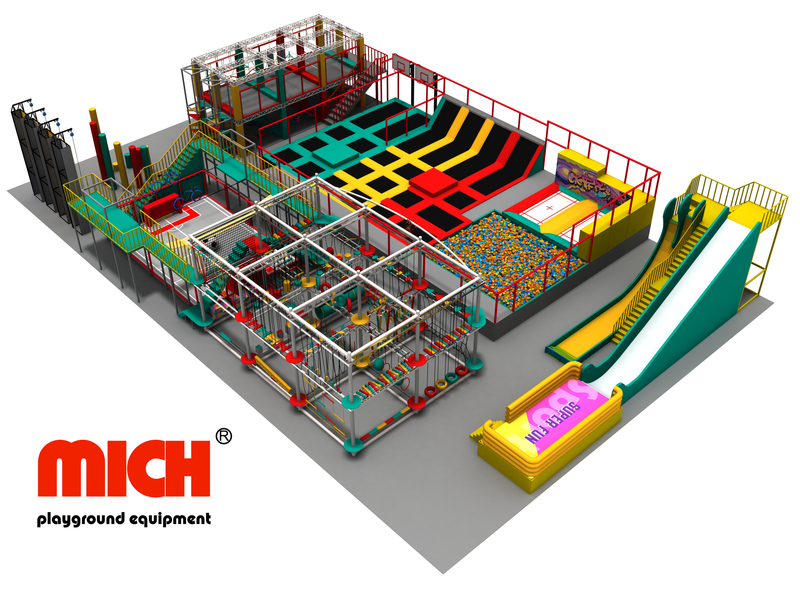
When designing the layout, it’s important to create separate zones tailored to different age groups and skill levels. This approach not only enhances safety but also ensures that everyone can enjoy the park. For example, younger children might have a designated area with smaller trampolines and softer surfaces, while older kids and adults can use larger trampolines and more challenging attractions.
Zone Type | Features | Age Group |
Kids Zone | Smaller trampolines, foam pits | 5-10 years |
Teen Zone | Standard trampolines, climbing walls | 11-17 years |
Adult Zone | Larger trampolines, obstacle courses | 18+ years |
Using certified equipment is non-negotiable when building a trampoline park. Quality equipment ensures user safety and enhances the overall experience. MICH PLAYGROUND is committed to providing top-notch products that meet rigorous safety standards. Their equipment undergoes thorough testing to ensure durability and performance.
Installation is another critical aspect. Proper guidelines must be followed to meet safety standards. This includes ensuring that all trampolines are securely anchored and that safety features, such as padding and netting, are installed correctly. Regular inspections during installation can help identify any potential issues before the park opens.
Incorporating essential safety features into the design of a trampoline park is vital. These features significantly reduce the risk of injuries and enhance user safety.
● Shock-Absorbing Padding: This padding should cover all trampolines and surrounding areas. It helps cushion falls and minimizes impact injuries.
● Safety Netting: Installing safety nets around trampolines prevents users from falling off. This is particularly important in areas designed for younger jumpers.
● Emergency Exits: Clear emergency exits and evacuation routes must be established throughout the park. These routes should be well-marked and easily accessible, ensuring quick evacuation in case of an emergency.
Safety Feature | Purpose | Benefits |
Shock-Absorbing Padding | Cushions falls and impacts | Reduces injury risk during jumps |
Safety Netting | Keeps users within safe areas | Prevents falls and enhances overall security |
Emergency Exits | Provides quick escape routes | Ensures safety during emergencies |
By focusing on these design elements, trampoline parks can create a safe and enjoyable environment for all visitors.
Trained staff are the backbone of a safe trampoline park. Court monitors and first aid responders play crucial roles in ensuring safety. These team members must be well-versed in park rules and emergency procedures. Regular training sessions help them stay updated on safety protocols and best practices.
Ongoing training programs are essential. They keep staff prepared for various situations, from managing crowds to responding to injuries. By conducting drills and workshops, parks can ensure that employees are ready to handle emergencies efficiently.
Establishing clear rules for park usage is vital for safety. These rules should cover everything from jumping etiquette to age restrictions. By communicating these guidelines effectively, parks can minimize the risk of accidents.
Visible signage throughout the facility is equally important. Signs should be placed strategically to remind visitors of the rules and highlight safety features. For instance, signs near trampolines can remind jumpers to avoid flips if they are inexperienced.
Daily inspection routines for equipment are crucial in maintaining safety. Staff should check trampolines, padding, and other equipment for wear and tear. Identifying issues early can prevent accidents and ensure a safe environment.
MICH PLAYGROUND emphasizes rigorous quality checks and maintenance practices. Their commitment to quality means that every piece of equipment is tested and maintained regularly. This proactive approach helps parks maintain high safety standards.
Preventive maintenance schedules are also essential. By planning regular maintenance, parks can address potential safety concerns before they become serious issues. This practice not only enhances safety but also extends the lifespan of the equipment.
Aspect | Details |
Staff Training | Ongoing training for court monitors and first aid responders to ensure preparedness. |
Rules and Signage | Clear rules established and visible signage throughout the park to enhance safety awareness. |
Equipment Maintenance | Daily inspections and preventive maintenance schedules to ensure equipment safety and longevity. |
Implementing these operational safety protocols creates a secure environment for all trampoline park visitors. They enhance the overall experience while prioritizing safety.
Educating customers before they use a trampoline park is essential for ensuring safety. Safety briefings provide a personal touch, allowing staff to communicate important rules and guidelines directly to visitors. These briefings can cover everything from proper jumping techniques to the importance of following park rules.
Effective methods for delivering safety information include using engaging videos and interactive demonstrations. Short, informative videos can be shown at the entrance or waiting areas, capturing the attention of visitors while conveying crucial safety messages. Additionally, live demonstrations by staff can help reinforce these messages, making it easier for customers to understand and remember the rules.
Method | Description | Benefits |
Safety Briefings | In-person talks led by trained staff | Direct communication, personalized engagement |
Safety Videos | Short videos displayed in common areas | Captivates attention, reinforces safety messages |
Live Demonstrations | Staff-led demonstrations of safe jumping practices | Engages customers, enhances understanding |
Promoting safe play among patrons is a key aspect of customer education. Strategies to encourage responsible behavior include setting clear expectations and providing ongoing reminders throughout the park. For instance, staff can patrol jumping areas, gently reminding visitors of the rules and encouraging safe practices.
Engaging parents and guardians in safety practices is also crucial. When they understand the rules and the importance of supervision, they can help reinforce safe behavior. Providing parents with guidelines on how to supervise their children effectively can create a safer environment for everyone.
● Parent Engagement: Offering workshops or informational sessions for parents can help them understand how to support safe play. These sessions can cover topics such as recognizing risks and encouraging their children to follow safety rules.
Engagement Strategy | Description | Purpose |
Staff Patrols | Trained staff monitoring jumping areas | Provides reminders and enforces rules |
Parent Workshops | Sessions to educate parents on safety practices | Empowers parents to supervise effectively |
By focusing on customer education and engagement, trampoline parks can create a culture of safety. This culture not only enhances the experience for visitors but also fosters a community that values responsible play.
Building a safe trampoline park involves several key elements. Staff training, clear rules, and effective signage are essential. Regular equipment inspections and maintenance help ensure ongoing safety.
Educating customers through briefings and videos promotes responsible behavior. Engaging parents further enhances the safety culture.
Prioritizing safety in trampoline parks creates enjoyable experiences for everyone. A commitment to safety not only protects visitors but also fosters community trust.
A: Trampoline parks typically cater to a wide range of age groups, often including designated areas for children, teens, and adults.
A: Ensure safety by training staff, establishing clear rules, and incorporating safety features like padding and netting.
A: Look for certified equipment, quality materials, and features that comply with safety standards.
A: Trampoline parks should conduct daily inspections and regular maintenance to ensure equipment safety and compliance.