- All
- Product Name
- Product Keyword
- Product Model
- Product Summary
- Product Description
- Multi Field Search
Views: 0 Author: Site Editor Publish Time: 2026-06-20 Origin: Site
Sourcing commercial play structures internationally brings heavy friction. You manage fragmented supply chains across multiple time zones. Interface risks, budget overruns, and compliance failures happen when buyers try to coordinate designers, manufacturers, logistics providers, and installation teams independently. The friction of aligning these separate entities derails projects before the concrete even cures. Top-tier overseas suppliers now offer turnkey models to solve this. This approach consolidates the workflow under one roof for single-source accountability. We will objectively evaluate whether a china playground factory can reliably execute end-to-end project delivery. You will learn how to navigate the risks, realities, and return on investment without the usual headaches.
The traditional multi-vendor approach requires hiring a local architect, sourcing components from multiple factories, and engaging a separate logistics firm. This method creates a nightmare of interface risks. If the steel frame tolerances are off by just five millimeters, the plastic slides will not fit on-site. You end up paying local welders to modify galvanized steel, which ruins the rust protection and voids warranties. Success in commercial playground development demands single-source accountability, reduced time-to-market, and predictable execution.
A turnkey alternative redefines project execution. In this industry, "turnkey" means a unified workflow where one entity is contractually responsible for the playground's lifecycle. They handle everything from a blank floorplan to a fully operational facility. This model shifts the burden of coordination from the buyer to the supplier. You deal with one project manager instead of chasing down five different vendors across different time zones.
A genuine turnkey solution from a China Playground Manufacturer encompasses several integrated phases. It requires a seamless transition from concept to physical installation. Real factories do not just broker parts; they engineer systems.
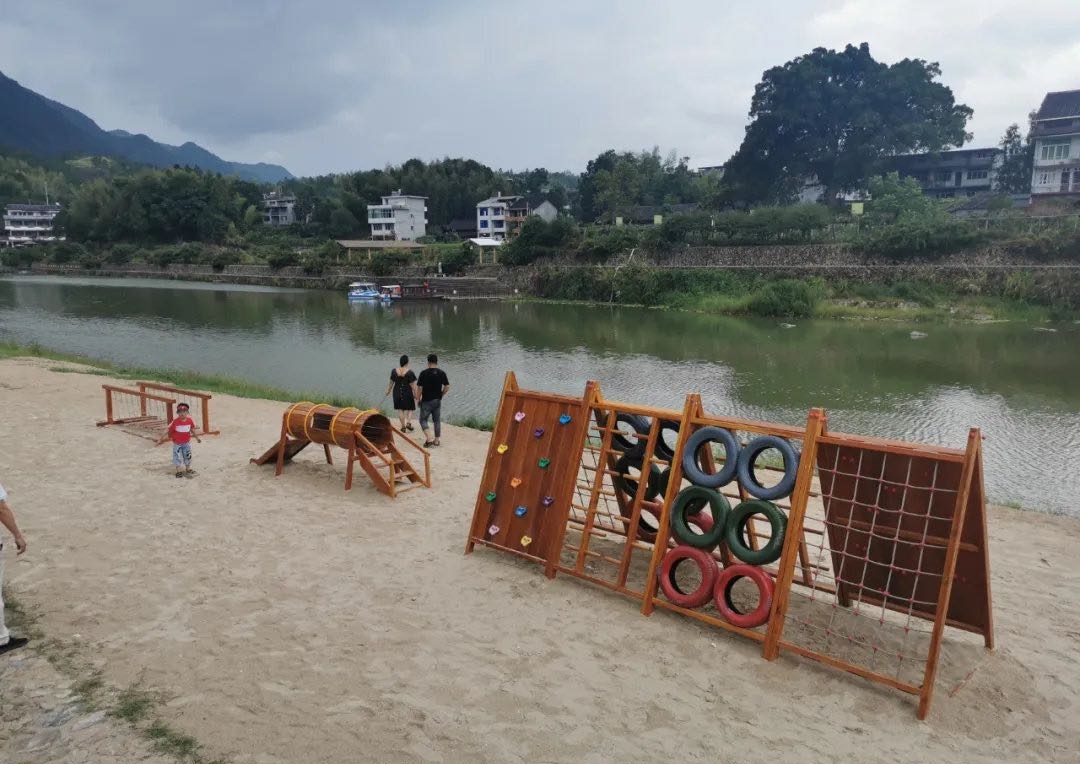
Off-the-shelf modular systems consist of pre-engineered, standardized play structures ready for immediate production. These systems utilize proven designs that require minimal engineering adjustments. The factory already has the molds, the cutting jigs, and the safety testing data on file.
These solutions work best for projects with tight deadlines and standard spatial dimensions. They offer high predictability in safety compliance because the designs have been tested repeatedly in the field. You sacrifice some brand differentiation, but you gain massive speed in execution. Municipal parks and standard school yards often rely on these modular setups.
Custom solutions offer bespoke designs tailored to specific architectural constraints, thematic branding, and target demographics. These projects allow for unique configurations that align perfectly with a brand's identity. You can integrate specific color palettes, custom fiberglass mascots, and unique obstacle layouts.
High-growth applications include the turnkey construction of multi-activity indoor trampoline parks, custom ninja courses, and large-scale family entertainment centers. While custom Playground Equipment requires longer lead times, it delivers maximum return on investment through unique customer experiences. The structural engineering is optimized for high-stress dynamic loads, ensuring safety even under heavy adult use.
When choosing between standard and custom solutions, you must weigh several operational factors. Standard systems offer faster delivery and easier access to replacement parts. Custom designs demand a longer planning phase and rely on proprietary spare parts. We can break down the operational differences clearly.
| Feature | Standard Modular Systems | Custom (OEM/ODM) Solutions |
|---|---|---|
| Lead Time | 2 to 4 weeks | 6 to 10 weeks |
| Engineering Required | Minimal (Pre-engineered) | Extensive (Site-specific load calculations) |
| Spare Parts Availability | High (Universal components) | Moderate (Requires factory re-order) |
| Brand Differentiation | Low | High |
| Installation Complexity | Straightforward | Requires specialized oversight |
Assessing a supplier's actual production capacity is critical. You must request live video tours and review their machinery. Look for heavy metalworking equipment, LLDPE rotational molding machines, and industrial sewing stations. A true factory controls the manufacturing process, ensuring consistent quality across all material types.
Sourcing from established industry hubs, such as Wenzhou or Yongjia, is strategically important. These regions represent the playground equipment capital of China. Proximity to a deep component ecosystem impacts lead times and part compatibility. Identify red flags that indicate a supplier is a trading company rather than a direct manufacturer. Trading companies lack direct control over the production floor, which dilutes accountability when parts fail to align on-site.
Specific manufacturing features directly translate to compliance outcomes. Non-toxic plastics, adequate galvanized steel thickness, and fire-retardant padding are essential for meeting international safety standards. You cannot visually inspect a steel pipe and know its load-bearing capacity; you need the data.
You must verify third-party testing certificates, such as TUV or SGS, for ASTM (North America) and EN (Europe) standards. Do not accept self-certified documents. Authentic certification proves the equipment has undergone rigorous testing for structural integrity, head entrapment hazards, and material safety. Cross-reference the certificate numbers directly with the testing agency's database.
Establish baseline expectations for core materials used in commercial playground equipment. High-grade steel, UV-resistant plastics, and durable vinyl covers are non-negotiable for high-traffic areas. The main upright posts should be at least 114mm in diameter with a 2.0mm wall thickness.
Material choices significantly impact longevity and maintenance requirements. Investing in premium materials reduces the frequency of repairs and extends replacement cycles. Cheap powder coating will flake after one winter, leading to structural rust. Demand zinc-rich primers and high-quality polyester powder coats for all exterior metal components.
The process begins with the buyer providing accurate CAD drawings or architectural blueprints. The factory's design team uses these to create initial layouts. You must include ceiling heights, HVAC duct locations, and structural column placements for indoor projects.
This phase involves an iterative design process focusing on traffic flow, capacity planning, and play value. The goal is to maximize the usable space while ensuring a safe and engaging environment for users. Designers will route high-energy activities away from toddler zones to prevent collisions.
Once the 3D concept is approved, it is translated into detailed structural engineering drafts. This step ensures the design is physically viable. Engineers map out the anchor points and specify the concrete footing requirements.
Pre-production compliance audits are conducted to ensure fall zones, barrier heights, and entrapment hazards meet local regulations. Load calculations are performed for complex dynamic structures, such as trampoline park frames and high-climbing non-power obstacles. They verify that the safety surfacing depth matches the maximum critical fall height of the equipment.
Timeline expectations vary for manufacturing custom versus standard components. Standard parts move quickly through production, while custom elements require specialized fabrication. Welding custom steel joints takes time to ensure full penetration and slag removal.
A critical step is the pre-shipment trial assembly. The factory stages the playground on their floor to ensure perfect fitment before packing. They bolt the main frames together, check the alignment of the slide flanges, and verify the tension on the netting. This prevents costly delays and modifications during on-site installation.
Navigating Incoterms (FOB, CIF, DDP) is essential for determining who holds the risk during transit. Clear contractual agreements prevent disputes over shipping responsibilities. Most buyers opt for FOB or CIF, handling the final import clearance through their own customs broker.
Strict packaging protocols are implemented to prevent transit damage to sensitive playground equipment. Components are securely crated, wrapped in bubble film, and loaded into containers to withstand international shipping conditions. Heavy steel parts are loaded first, with lighter plastic components secured on top to prevent crushing.
Installation is the final hurdle. Factories typically offer three options based on your risk tolerance and local labor availability. Proper installation dictates the safety and lifespan of the equipment.
Misalignment between buyer expectations and factory output often stems from language barriers or cultural differences in business practices. These gaps can lead to incorrect specifications or missed deadlines. A misunderstood dimension can render an entire play structure unusable.
To mitigate this, mandate a dedicated, fluent project manager. Require formal sign-offs on detailed technical specifications, not just conceptual renderings. Review the 2D CAD elevations carefully to ensure absolute clarity on dimensions and clearances before production begins.
Unforeseen port fees, customs holds, or fluctuating freight rates can derail the project budget. International logistics are inherently unpredictable. A container stuck in customs accrues daily demurrage charges.
Utilize experienced freight forwarders and lock in shipping contracts early. Always maintain a 15-20% contingency budget specifically for logistics to absorb unexpected costs. Ensure your commercial invoice and packing list are perfectly accurate to avoid customs inspections.
A major risk is that the installed playground fails the final municipal or insurance safety inspection, delaying the grand opening. Inspectors will flag improper barrier heights or insufficient safety surfacing immediately.
Hire a localized, certified playground safety inspector to review the factory's engineering drawings before production begins. This proactive step ensures the design meets all local codes from the outset. Do not wait until the equipment is bolted to the floor to find out it violates a local ordinance.
A: A turnkey solution includes spatial design, 3D rendering, structural engineering, in-house manufacturing, quality control, international logistics, and installation support. One supplier manages the entire lifecycle from the initial floorplan to the operational facility.
A: You must request and verify third-party testing certificates from recognized organizations like TUV or SGS. Do not accept self-certified documents. Ensure the certificates specifically match the product lines you intend to purchase and check the certificate numbers online.
A: Regions like Yongjia and Wenzhou are established industry hubs with deep component ecosystems. Sourcing from these areas ensures faster lead times, better part compatibility, and access to specialized manufacturing infrastructure for metalworking and plastics.
A: Yes. Factories can dispatch their own installation crews, send a supervising engineer to lead your local team, or provide detailed 3D manuals and remote support for your contractors. The choice depends on your local labor capabilities.
A: Lead times vary based on complexity, but custom projects generally take 6 to 10 weeks for production, plus an additional 3 to 6 weeks for international shipping and customs clearance. Always factor in buffer time for site preparation.
A: Choose a supplier that uses standard, easily replaceable components where possible. For proprietary parts, negotiate a spare parts package upfront and ensure the factory has a reliable system for shipping replacements quickly via air freight.