- All
- Product Name
- Product Keyword
- Product Model
- Product Summary
- Product Description
- Multi Field Search


Views: 5 Author: Site Editor Publish Time: 2026-02-09 Origin: Site
The trampoline park market around the world may reach USD 3,491.5 million by 2033.
The market will grow by 13.90% from 2024 to 2033. This happens because people care about health and want cool experiences.
Check your skills, money, and interest before you begin.
Make a strong business plan. Study who will visit and learn about your local area. This helps your trampoline park fit what people want.
Put safety first. Use safe equipment that is approved. Follow all safety rules. Teach your workers how to keep everyone safe.
Pick a good spot. Find a place where many people live. Make sure it is easy for people to get there. This will bring in more guests.
Think about costs that come every month. Plan money for rent, paying workers, insurance, and fixing things. This keeps your park running well.
Connect with people nearby. Work with other businesses and schools. This helps tell more families about your park.
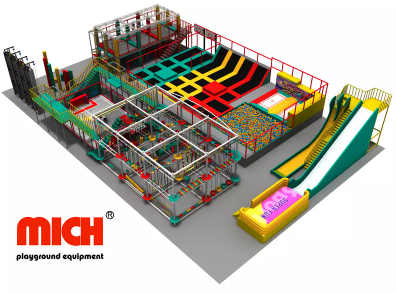
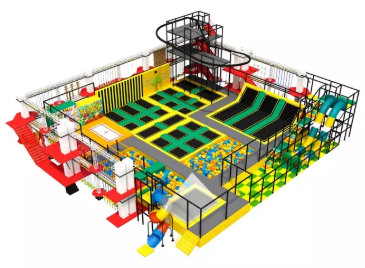
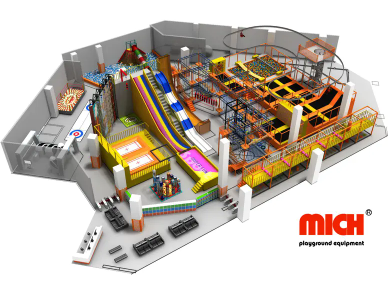
You need to plan carefully to open a trampoline park. There are many steps to follow before you can open. Here is a simple guide you can use:
Choose the Right Space: Pick a building with at least 18,000 square feet. The ceiling should be at least 17 feet high. This gives enough space for jumping and growing later.
Design the Trampoline Park: Make a fun layout for your park. Trampolines should take up at least 80% of the area. Plan different areas for kids and adults.
Obtain Necessary Permits and Licenses: Get all the permits you need from the city and state. This keeps you from getting fined or shut down.
Select Appropriate Software for Operations: Use software to help with bookings and schedules. It also helps you keep track of customers.
Ensure a Seamless Booking Process: Set up a booking system that is easy to use. People like to book their jump time without trouble.
Tip: Make a checklist for each step. This helps you stay organized and see what you have done.
There are some important things you must do before opening. These include legal, safety, and money needs. Focus on these main points:
Space Requirements: Find a place with at least 18,000 square feet. The ceiling should be 17 feet or higher. This gives enough room for safe play and equipment.
Safety Standards: Use strong trampolines and certified equipment. Trampolines should cover at least 80% of your park. Always follow safety rules to keep guests safe.
Permits and Licenses: Apply for all the permits you need. If you miss this, you could get fined or closed.
Liability Waivers: Have every guest sign a liability waiver. This keeps your business safe from legal problems.
Protective Gear: Give safety gear to everyone who jumps. Helmets, grip socks, and padding help stop injuries.
You also need to know how much money you will spend. The size of your park changes how much you pay. Here is a table to help you compare:
Park Size | Investment Range | Best For |
|---|---|---|
Small (300–500 sqm) | USD 80,000–150,000 | Small cities or first-time investors |
Medium (800–1,200 sqm) | USD 150,000–300,000 | Urban areas with steady family traffic |
Large (1,500 sqm+) | USD 300,000–500,000+ | Commercial complexes or destination projects |
Most owners get their money back in 8 to 12 months. You might break even in 1.5 to 3 years. Where your park is and how you run it will change these numbers.
Note: If you learn about costs, safety, and legal rules early, you can avoid problems. Planning ahead keeps your business safe.
Many people want to visit trampoline parks in their towns. Most guests are kids and families who like to be active. Kids between 6 and 10 years old visit the most. Kids aged 11 to 15 and those younger than 6 also come a lot. More adults in their 20s and 30s are starting to visit too. Here is how the visitors are split:
Children aged 6-10: 35% of visitors
Children aged 11-15: 26% of visitors
Children under 6: 13% of visitors
77% of visitors are under 17 years old
Adults in their 20s and 30s: 15% of visitors
Families want fun ways to stay healthy together. Many parents want their kids to move more and use screens less. Trampoline parks give both exercise and fun in one spot. These parks help with heart health, strong muscles, and balance. People like to exercise in a fun way and meet friends. The industry is growing because families care about health and want new things to do.
Think about the good and bad sides before you start your business. The table below shows the main points:
Advantages of Trampoline Parks | Disadvantages of Trampoline Parks |
|---|---|
Suitable for older children and adults | High initial investment required |
Unique jumping experience | |
Digitalization options | |
Diversity of modules | |
Upgrade options | |
Safety measures in place | |
Simple maintenance |
You get a special business that is different from other fun places. You can add new things to your park as time goes on. You also get help from digital tools for booking and running your park. You need a lot of money to start, but you can reach many people who want to have active fun.
You need a good business plan before you open your park. First, learn about your local area. Find out who wants to come and what they enjoy. Pick a place where at least 250,000 people live nearby. Make sure people can get there by bus or train. There should also be enough parking for cars.
Your plan should have:
Research about your guests and what they need
A study about the area, how many people live there, and how easy it is to get to
A list of all the permits and licenses you need
A list of costs, equipment, and when you think you will make your money back
Steps to follow safety and insurance rules in your area
Ideas for marketing to different ages, plus special events and loyalty programs
A clear plan helps you stop problems and keeps your project moving forward.
You can join a franchise or start your own park. Each choice has good and bad sides. The table below shows the main differences:
Criteria | Franchise | Independent |
|---|---|---|
Brand recognition | Guests usually know and trust the brand. | You need to build your own marketing and reputation. |
Startup support | Franchisors help with training, running the park, and picking a spot. | You make every choice, from design to safety. |
Cost structure | Franchise fees ($50,000–$150,000+) and ongoing royalties. | No franchise fees, but you pay all starting costs yourself. |
Think about your money, experience, and how much help you want before you choose.
You need to know who will come to your park. The main groups are families, sports fans, community groups, and adventure seekers. Each group helps you decide how to design and market your park. See the table below:
Target Audience | Influence on Facility Design | Marketing Strategies |
|---|---|---|
Families | Add different attractions and strong safety features | Show family-friendly activities |
Sports Enthusiasts | Make spaces for games and competitions | Talk about fitness and sports |
Community Groups | Hold local events and fundraisers | Focus on community and local events |
Adventure Seekers | Add obstacle courses and climbing walls | Aim at team-building and youth groups |
When you plan for each group, your trampoline park gets more visitors and makes more money.
Pick a spot that helps your park do well. Look for places with lots of people nearby. Try to find an area with 250,000 people within 10 minutes by car. If 500,000 people can get there in 30 minutes, that is even better. Make sure it is easy to get to your park. Choose a place near big roads and bus or train stops. People should be able to walk from the bus or train.
It helps if you are close to places families like to visit. Being near restaurants, stores, schools, or fun spots brings more guests. Parking is very important. You need enough spaces for everyone who comes. A good rule is one parking spot for every 200 square feet. Always check the local rules before you rent a building. The area must allow amusement parks, and you need the right permits.
Location Factor | Description |
|---|---|
Population Density | Target areas with 250,000+ residents within a 10-minute drive & 500,000+ residents within a 30-minute catchment area. |
Accessibility | Prioritize sites with major road connections and direct public transport access within a 0.5-mile walk. |
Complementary Infrastructure | Seek proximity to restaurants, retail centers, schools, public institutions, and entertainment hubs to drive consistent foot traffic. |
Parking Capacity | Ensure adequate dedicated parking, with a minimum of 1 space per 200 sq ft of facility, accommodating peak-hour volume and staff vehicles. |
Zoning & Permits | Verify that zoning allows for amusement/recreation facilities and that special permits for assembly occupancies are secured pre-lease. |
You need a building that fits your plans and keeps people safe. The smallest size for a good park is about 1,672 square meters. High ceilings are important. The ceiling should be at least 5.3 meters tall. This gives enough room above the trampolines. The trampoline frames should be at least 1 meter high. Plan for at least 4.3 meters of open space above each trampoline.
Not all of your building will have trampolines. Use 45% to 50% of your space for trampoline courts. The rest can be for waiting, parties, or other fun things. These numbers help you make a park that feels open and safe.
Requirement | Specification |
|---|---|
Minimum size of building | 1,672.3 m² |
Minimum ceiling height | At least 5.30 meters |
Minimum space above trampoline | At least 4.30 meters |
Minimum height of trampoline frame | At least 1 meter |
Percentage of trampoline courts area | 45-50% of total square footage |
Note: Always check the building rules in your area before you start. Safety and comfort make your park better.
A good layout makes your park safe and fun. Divide the space into areas for different ages and activities. Add things like themed trampoline zones and obstacle courses. Family entertainment areas help you stand out. These attractions make guests happy and want to come back. Special themes and fun challenges get people talking about your park. This helps more people hear about you. The table below shows how each attraction helps keep customers coming back:
Attraction Type | Impact on Customer Retention |
|---|---|
Themed trampoline parks | Give special experiences for events and help guests stay loyal. |
Adventure/obstacle parks | Have cool challenges that make people want to return. |
Family entertainment centers | Are fun for all ages, so families visit again. |
Mobile trampoline parks | Bring the fun to people, so more guests can join in. |
Pick equipment that is safe and strong. Make sure it follows ASTM and TUV rules. These rules mean the equipment is tested for safety. MICH sells equipment that meets these standards. They help you design a park that fits what you need. Always check if your supplier has these safety certificates. This keeps your guests and business safe.
Safety Standard | Description |
|---|---|
ASTM | Equipment follows rules like ASTM, EN, and TUV. |
Compliance Check | Make sure equipment meets ASTM, EN, or TUV rules. |
Note: Certified equipment helps you get insurance and lowers your risk.
Plan your park so guests can move around easily. Put restrooms and exits where people can find them fast. Use floors that do not slip and bright lights to stop accidents. Make sure your park follows ADA and health rules. This keeps everyone safe and avoids trouble. Use strong materials and easy-to-clean surfaces to save money on repairs. When guests can move around well, they enjoy their visit and want to return.
Feature | Benefit |
|---|---|
Strategic restroom placement | Makes lines shorter and helps guests move easily. |
Non-slip flooring | Stops slips and keeps people safe. |
ADA compliance | Lets everyone visit your park. |
Durable materials | Saves money on fixing things. |
Opening a trampoline park costs a lot of money. You might spend between $100,000 and $500,000 to start. The price changes based on your location and what equipment you buy. If you add special features, it can cost more. Most of your money goes to trampolines, fixing the building, and getting permits. You also need to pay for insurance and ads. Picking a good spot and strong trampolines can make it cost more. But these choices help your park last longer.
After opening, you will pay bills every month. These bills include rent, paying workers, insurance, and power. You also pay to keep the park clean and safe. The table below shows some monthly costs for a trampoline park:
Operating Expense | Min Monthly Amount | Max Monthly Amount |
|---|---|---|
Facility Rent | $25,000 | $25,000 |
Staff Wages | $53,000 | $53,000 |
Liability Insurance | $7,000 | $7,000 |
Utilities | $4,000 | $4,000 |
Property Maintenance | $2,000 | $2,000 |
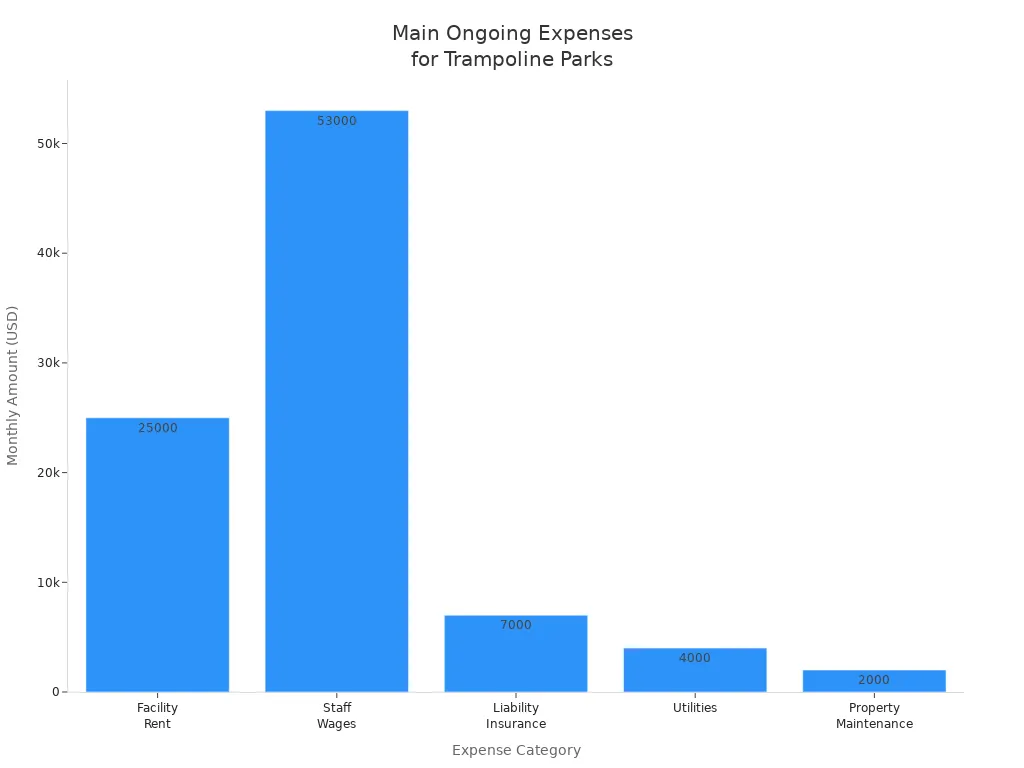
You need to watch these costs to keep your business strong. Planning well helps you use your money wisely and avoid trouble.
There are different ways to get money to open your park. Each way has its own rules you must follow. The table below lists the most common ways to get funding:
Funding Option | Eligibility Requirements |
|---|---|
Small business loans | You need good credit and a clear business plan. Some loans have government rules. |
Private investors and partnerships | Investors want to see your park can grow. Partnerships mean you share money and choices. |
Franchise financing | Some franchises help with loans or work with special lenders. |
Crowdfunding and community support | You can use sites like Kickstarter to get money. Selling memberships early can help too. |
You need to get many licenses and permits before opening your trampoline park. These papers help you follow the law and protect your business. The table below lists the main licenses and permits you need in the United States and Europe:
License/Permit Type | Description |
|---|---|
Business License | Lets you operate legally in your city or region. |
Zoning and Land Use Permit | Confirms your park fits local zoning laws. |
Building and Construction Permits | Needed for any building work or remodeling. |
Fire Department Approval | Shows you meet fire safety rules. |
Health Department Permits | Needed if you serve food or drinks. |
Amusement Device or Attraction License | Some states require this for trampoline parks. |
Signage Permit | Allows you to put up signs for your park. |
Music Licensing | Needed if you play music in your park. |
Insurance Requirements | Proof of insurance may be required by law. |
Your trampoline park must be in the right area. Most cities have special zones for amusement parks. You also need to follow building codes. These rules cover things like exits, fire alarms, and bathrooms. If you want to change the building, you need a construction permit. The fire department will check your park before you open. They look for fire exits and safety tools. If you serve food, the health department will check your kitchen too.
Insurance helps protect your business from accidents and other problems. You need different types of insurance for a trampoline park:
General Liability Insurance
Workers’ Compensation Insurance
Commercial Property Insurance
Commercial Umbrella Liability Insurance
Data Breach Insurance
Most trampoline parks pay $15,000 to $50,000 each year for insurance. The price depends on your park’s size, where it is, and your safety rules. For a medium-sized park, insurance can be 4% to 8% of your total startup costs. The table below shows common insurance types and what they usually cost each year:
Insurance Type | Typical Annual Premium Range (USD) |
|---|---|
General Liability | $10,000 - $30,000 |
Property Insurance | $5,000 - $15,000 |
Workers’ Compensation | $3,000 - $8,000 |
You need to make clear safety rules for your trampoline park. Put the rules where everyone can see them. Tell all guests about these rules before they jump. Here are some important things to remember:
No rough play like pushing or tackling is allowed.
Jump close to the middle of the trampoline.
Only try tricks if you know how to do them safely.
You must also follow these key safety steps:
Safety Protocols | Description |
|---|---|
One Jumper at a Time | Only one person should jump on each trampoline to stop crashes. |
Supervision | Watch kids at all times, especially those under 6 years old. |
No High Jumps | Do not let kids jump from tall things onto trampolines. |
Safety Nets | Put nets around trampolines to help stop falls. |
Regular Inspections | Look at trampolines often to check for damage or problems. |
Your workers help keep the park safe for everyone. Teach every worker the safety rules and what to do in an emergency. Make sure they know how to use safety gear and help if someone gets hurt. Give them a checklist for safety. This list should have daily checks for equipment, first aid kits, and practice drills.
Good training teaches first aid and what to do if there is an accident. All workers should know CPR and how to help if someone is hurt. Practice emergency plans with pretend drills. These steps help your team be ready and keep guests safe every day.
You need a good waiver system before anyone jumps. Waivers help guests know the risks of jumping on trampolines. They also protect your business from legal trouble if someone gets hurt.
Aspect | Description |
|---|---|
Legal Protection | Waivers show guests know the risks, so you get fewer claims. |
Insurance Compliance | Many insurance companies want waivers before they give you coverage. |
Operational Efficiency | A good waiver system makes check-in quick and easy for everyone. |
You need a strong team to run your trampoline park. Start by hiring people who enjoy working with families and kids. Look for staff who stay alert and act quickly in busy settings. You should always have enough staff to keep everyone safe. The best staff-to-guest ratio is between 1:15 and 1:20. This means one staff member for every 15 to 20 guests. This ratio helps you watch all areas and respond fast if someone needs help. It also keeps your labor costs under control. When you plan your schedule, think about busy times like weekends or holidays. Add more staff during these hours to keep service smooth.
You must train your team well before they start. Teach them how to use safety gear, spot risks, and help guests. Show them how to handle emergencies and give first aid. Good training builds confidence and keeps your park safe. A positive workplace culture helps you keep your best workers. When you keep staff, you save money and keep important knowledge in your park. Supportive leadership, shared values, and regular recognition make your team feel valued. Encourage feedback and listen to your staff. When you do this, you lower turnover, raise satisfaction, and boost performance.
You need clear routines to keep your park safe and fun every day. Start each day by checking all trampolines and equipment. Look for loose bolts, rust, or worn-out padding. Inspect safety nets for tears and make sure foam pits are clean. Write down what you find and fix problems right away. Clean all areas often to keep germs away. Watch how guests move through the park and help them if they look confused. When you follow these steps, you create a safe and welcoming place for everyone.
You need a strong brand to stand out. Pick a name and logo that people remember. Use bright colors and fun designs. Build a website that works well on phones and computers. Make sure guests can book tickets online. This makes it easy for families to plan visits. Share photos and videos of your park on social media. Post on Facebook, Instagram, and TikTok. Show happy guests and new attractions. Ask visitors to leave reviews. Good reviews help new customers trust your park.
You can reach more people by working with your community. Partner with local schools, sports teams, and family centers. Offer group discounts or sponsor local events. Hand out flyers at busy places like malls or playgrounds. Join community fairs and festivals. These steps help people learn about your park. You can also team up with nearby businesses. For example, offer a deal with a pizza shop for birthday parties. Local partnerships bring in new guests and build trust.
Strategy Type | Description |
|---|---|
Local Partnerships | Work with local businesses and sponsor events to increase your park’s visibility. |
Seasonal Promotions | Offer themed events and family passes to attract visitors during holidays and school breaks. |
Customer Reviews | Encourage guests to share feedback to build trust and attract new families. |
Special events keep your park exciting. Host birthday parties, school field trips, and holiday celebrations. Plan glow nights or sports competitions. These events bring in groups and create buzz. Offer memberships or loyalty programs. Give rewards for repeat visits, like free jump time or discounts. This helps you keep guests coming back. You can also use seasonal promotions to fill slow days. For example, offer family passes during school vacations.
You can earn money from many sources in a trampoline park. Birthday parties bring in about 12% of your total sales. By Year 3, this can mean around $420,000 in revenue. You also get income from general admission tickets. Many guests pay for single visits or buy passes. Fitness classes attract people who want to exercise in a fun way. Corporate events add another stream, as companies book your space for team-building. Merchandise sales, like branded shirts or socks, give you extra profit. Café sales offer snacks and drinks to guests who want to relax.
Birthday parties (12% of sales, about $420,000 in Year 3)
General admission
Fitness classes
Corporate events
Merchandise sales
Café sales
You need to watch your spending to keep your business healthy. Rent and staff wages take up most of your monthly budget. Insurance and utilities also cost a lot. You can save money by using energy-efficient lights and keeping equipment in good shape. Regular maintenance stops big repairs. Train your staff well so they work safely and avoid accidents. Buy supplies in bulk to lower costs. Track your expenses every month. This helps you spot problems early.
Cost Area | How to Manage |
|---|---|
Rent | Negotiate long-term leases |
Staff wages | Schedule shifts by demand |
Insurance | Review policies yearly |
Utilities | Use energy-saving equipment |
Maintenance | Do regular checks and repairs |
You can grow your trampoline park business in many ways. Add new attractions to bring back guests. Open more locations in busy cities. Offer memberships for steady income. Host special events, like glow nights or tournaments, to attract new groups. Use feedback from guests to improve your park. Partner with schools or local groups for more visitors. When you plan for growth, you build a strong future for your business.
You see new trends shaping trampoline parks every year. Many parks now add interactive games and digital scoreboards. Glow-in-the-dark jump nights attract teens and young adults. Parks also offer fitness classes for adults who want a fun workout. Some owners add ninja courses or climbing walls to bring in more guests. You can use online booking and mobile apps to make visits easier for families. Safety technology, like smart wristbands, helps you track guests and improve safety.
Tip: Stay updated on trends by visiting other parks and reading industry news.
You can build a strong trampoline park business by following these tips:
Focus on safety first. Train your staff well and check equipment daily.
Offer group events, like birthday parties and school trips, to fill your calendar.
Use social media to show off your park and share guest stories.
Keep your park clean and friendly. Guests will want to return.
Update attractions often. New features keep people excited.
Tip | Why It Works |
|---|---|
Train staff | Reduces accidents and builds trust |
Host events | Brings in large groups |
Use social media | Reaches more families and teens |
Refresh attractions | Keeps your park interesting |
You can avoid many problems if you plan ahead. Here are some common mistakes:
Ignoring safety rules. This can lead to injuries and lawsuits.
Underestimating costs. You need a clear budget for startup and monthly bills.
Poor marketing. If people do not know about your park, you will have fewer guests.
Not updating equipment. Old or broken trampolines can hurt your reputation.
Note: Review your business plan often. Fix problems early to keep your park safe and successful.
You now know the key steps to open a trampoline park. You must plan your business, choose safe equipment, and create a fun experience for guests.
Make a checklist for each stage.
Focus on safety and guest satisfaction.
Learn about local rules and costs.
Ready to start? Reach out to experts or suppliers like MICH for advice. Take your first step and turn your trampoline park idea into reality.
A trampoline park needs at least 18,000 square feet. This size lets you fit trampolines, safety areas, and spots for guests. High ceilings are needed to keep everyone safe.
It usually takes 6 to 12 months to open a park. You need time to plan, get permits, build, and set up equipment. Sometimes, waiting for permits or special equipment can slow things down.
Yes, you need general liability insurance for your park. Most owners also buy property and workers’ compensation insurance. These help protect you if there are accidents or damage.
Your equipment must follow ASTM and TUV standards. These rules help make sure guests stay safe. Always ask your supplier to show proof that the equipment is certified.
You can add new attractions as your park grows. Leave some open space in your layout. This makes it simple to put in new features and keep guests interested.