- All
- Product Name
- Product Keyword
- Product Model
- Product Summary
- Product Description
- Multi Field Search

Views: 9 Author: Site Editor Publish Time: 2025-10-16 Origin: Site
The simple act of jumping on a trampoline is often associated with carefree fun, but when that activity moves from a private backyard setting to a large-scale commercial operation, the regulatory requirements shift dramatically. The question, "Do you need a permit for a trampoline?" has two fundamentally different answers, depending on the scale. For the homeowner, it rarely requires a specific permit, though zoning and safety laws apply. For the entrepreneur planning to launch a commercial Trampoline Park, the answer is an unequivocal and complex "yes," involving dozens of permits and licenses across multiple governmental levels.
This article will meticulously dissect the permitting process for a commercial Trampoline Park, a dynamic sector of the family entertainment industry. We will explore the critical steps, from securing initial approvals to ensuring daily operational compliance, while addressing common user queries about the Trampoline Park experience and business model. The successful Trampoline Park is built on a foundation of regulatory adherence.
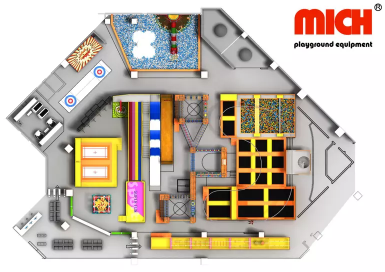
Establishing a large-scale indoor facility, such as a modern Trampoline Park, is fundamentally a construction and public safety project. These venues, often spanning tens of thousands of square feet, are classified as assembly spaces and must meet stringent building, fire, and safety codes. This journey answers the fundamental question of how to start a trampoline park.
Before any ground is broken or equipment is ordered from a trampoline park manufacturer, the location for the Trampoline Park must be approved for its intended use.
1. Zoning Approval and Conditional Use Permits (CUPs): A Trampoline Park is a high-traffic, high-intensity commercial use. It requires ample parking, robust ingress/egress, and must not unduly disrupt surrounding areas. Most municipalities require a CUP, which necessitates a public hearing and detailed review of the operational plan. This step dictates the viability of the Trampoline Park location.
2. Site Plan Review: This permit examines the entire property layout for the Trampoline Park, including landscaping, storm drainage, and parking lot design. Approval ensures the site can safely accommodate the thousands of patrons expected for events, regular sessions, or a trampoline park birthday party.
The actual build-out of the Trampoline Park space demands a multitude of technical permits to ensure the structure can safely house the intricate trampoline park equipment and large crowds.
Building Permit: This is the master permit for the construction. Inspections confirm structural integrity, especially crucial for supporting the dynamic loads of jumpers and the weight of specialized areas like a multi-lane basketball trampoline park or tiered platforms for a challenging ninja kidz trampoline park course.
Mechanical, Electrical, and Plumbing (MEP) Permits: These cover the HVAC systems (essential for maintaining air quality during high-energy periods), the wiring for features like a glow in the dark trampoline park setup, and the plumbing for restrooms and concession areas.
Fire Suppression and Alarm Permits: As an assembly occupancy, a Trampoline Park is subject to rigorous fire codes. Permits verify the proper installation and functionality of sprinklers, alarms, emergency lighting, and clearly marked exit paths.
Expert consultation with a reliable trampoline park manufacturer during this phase is essential, as their equipment designs must align with local building and fire codes. Their expertise assists the Trampoline Park owner in avoiding costly redesigns.
Once the construction is complete and the trampoline park equipment is installed, the Trampoline Park needs licenses to open and conduct business legally.
1. Business Operation License: The general license to operate any commercial business within the city or county.
2. Amusement/Recreation License: Some jurisdictions categorize the Trampoline Park as an amusement venue, requiring regular, often annual, safety inspections by a third-party engineer or government official to verify the continued safe operation of the Trampoline Park.
3. Health Permits: Necessary if the Trampoline Park serves food or beverages, common additions for venues hosting a trampoline park birthday party or the attendees of a trampoline park summer camp.
4. Liability Insurance: While not a permit, proof of massive liability coverage is a fundamental requirement before any Trampoline Park opens its doors. Insurance companies demand strict adherence to safety protocols, including the enforcement of the weight limit at trampoline park and the mandatory use of appropriate socks for trampoline park. The financial feasibility often hinges on how much does it cost to open a trampoline park versus the projected revenue streams.
The success of a Trampoline Park is not just about the permits; it's about the customer experience and safety. Venues like Altitude Trampoline Park, Airbound Trampoline Park, Helium Trampoline Park, and Jump Trampoline Park have established models based on clearly communicated rules and diverse programming.
Safety begins with clear expectations for the patrons of the Trampoline Park.
Weight and Age Limits: Every piece of trampoline park equipment has an engineered limit. The weight limit at trampoline park is typically between 250 and 300 pounds per jumper and is strictly enforced to prevent 'bottoming out' and equipment failure. Furthermore, while the general trampoline park age limit is broad, specific attractions, like high-performance Olympic trampolines or the ninja kidz trampoline park course, may have minimum height or age restrictions.
Mandatory Grip Socks: The use of specialized socks for trampoline park with rubberized grips is universal. This requirement drastically reduces friction and the risk of slipping, which is a leading cause of minor injuries in a Trampoline Park setting.
Attire: Customers often ask what to wear trampoline park. The recommendation is always comfortable, non-restrictive athletic wear. Clothes that are too loose or have hard plastic or metal decorations are discouraged as they can tear the mats or pose a risk during jumping.
Modern Trampoline Park models thrive on diversifying their offerings beyond simple open jump time.
Specialized Sessions: To manage traffic and safety, many parks offer trampoline park toddler time, dedicated hours where only very young children are permitted to jump, ensuring their safety away from older, more rambunctious jumpers.
Seasonal Offers: To encourage repeat business, parks introduce incentives like the trampoline park summer pass and host multi-day trampoline park summer camp programs, turning the venue into a structured recreational destination.
Event Hosting: The trampoline park birthday party remains a core revenue stream, with packages often including dedicated jump time and a party room. Themed events, such as the wildly popular glow in the dark trampoline park nights, appeal to teenagers and young adults, expanding the demographic reach of the Trampoline Park.
For the prospective owner, the daunting question of how much does it cost to open a trampoline park requires a deep dive into capital expenditures. A new Trampoline Park can require an initial investment well into the millions, covering leasehold improvements, inventory (e.g., thousands of pairs of socks for trampoline park), and, crucially, the purchase and installation of high-quality trampoline park equipment from a reputable trampoline park manufacturer.
Cost Component | Percentage of Total Initial Investment | Relevance to Trampoline Park Operation |
Leasehold Improvements (Construction, HVAC, Electrical) | 40% - 50% | Necessary for securing construction permits and ensuring the building can house the Trampoline Park. |
Trampoline Park Equipment & Installation | 25% - 35% | The core product, sourced from a trampoline park manufacturer, must meet safety standards (ASTM F2970). |
Working Capital (Staffing, Utilities, Inventory) | 10% - 15% | Covers initial operational costs, insurance, and inventory like the specialized socks for trampoline park. |
Permitting, Legal, and Architect Fees | 5% - 10% | The direct cost associated with obtaining the dozens of required permits for the Trampoline Park. |
The competitive landscape demands constant innovation within the Trampoline Park sector. The evolution of the basketball trampoline park to include professional-grade surfaces, or the integration of AR/VR technology into the jump experience, showcases the industry’s commitment to staying current. The trend is moving the Trampoline Park toward a comprehensive Family Entertainment Center (FEC) model, offering a wider array of attractions like climbing walls, arcade games, and ninja kidz trampoline park style obstacle courses to maximize per-customer spend and appeal to the broad trampoline park age limit demographic.
The journey from an idea to a functioning Trampoline Park is heavily gated by governmental permits and safety regulations. While a residential trampoline typically bypasses this complex process, the commercial Trampoline Park—a public assembly space—must prioritize safety and compliance above all else. Every aspect, from the weight limit at trampoline park to the fire rating of the foam pit, is scrutinized.
To successfully launch and operate a Trampoline Park, the entrepreneur must meticulously secure every required permit, from zoning approval to the final operational license. This regulatory rigor, while costly and time-consuming, ensures that venues like Altitude Trampoline Park, Airbound Trampoline Park, Helium Trampoline Park, and Jump Trampoline Park can continue to provide a safe, exhilarating experience for families enjoying everything from a simple jump session to a glow in the dark trampoline park event or a fun trampoline park birthday party. The Trampoline Park is a regulated business, and adherence to the law is the first permit to success. The detailed planning involved in securing these permits is what fundamentally drives the overall cost and complexity of establishing a modern Trampoline Park.