- All
- Product Name
- Product Keyword
- Product Model
- Product Summary
- Product Description
- Multi Field Search

Views: 4 Author: Site Editor Publish Time: 2026-03-09 Origin: Site
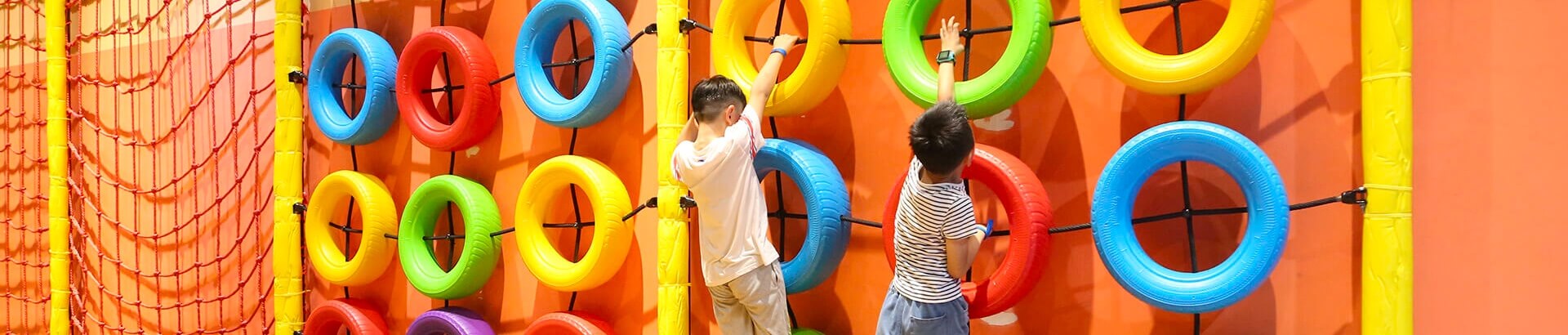
When people think about childhood learning, they often imagine classrooms, books, flashcards, or structured activities. But in real early development, learning happens far beyond a desk. Children learn by moving, exploring, touching, climbing, balancing, observing, repeating, and interacting with others. That is exactly why an indoor soft playground can play such an important role in childhood development. It is not only a place for fun and activity. It is also an environment where children build physical skills, social awareness, confidence, problem-solving habits, and early independence through play.
For young children, play is not separate from learning. In many cases, play is the learning process. Through play, children:
explore cause and effect
develop body control
learn how to take turns
practice communication
build curiosity
become more confident in unfamiliar situations
An indoor soft playground supports this especially well because it combines movement, exploration, and social interaction in one structured environment. Unlike passive screen time, soft play encourages active participation. Children do not only watch or listen—they do, try, repeat, and improve.
One of the clearest learning benefits of soft play is physical development. Indoor playgrounds are built around movement-based activities such as:
climbing
crawling
sliding
balancing
jumping
navigating obstacles
These activities help children improve gross motor skills, which are the larger body movements needed for everyday physical coordination. As children move through a soft play structure, they learn how to control their body, judge distance, shift balance, and coordinate arms and legs more effectively.
Over time, this supports:
better body awareness
stronger balance
improved coordination
more confident movement
This kind of physical learning is essential in early childhood because it creates a foundation for later activities, from sports to classroom posture and daily independence.
To adults, a soft play area may look simple. But for a child, it is a space full of small decisions and practical challenges.
For example, children constantly think about:
which route to take
how to climb over or around something
whether to go through a tunnel or over a bridge
how to reach a platform safely
how to move when another child is coming the other way
These are early forms of problem-solving. Children learn by testing options, adjusting their actions, and understanding what works. In this way, an indoor soft playground encourages active thinking, not just physical activity.
This helps build:
decision-making confidence
persistence
flexible thinking
trial-and-error learning habits
Soft play is often shared play. Children in indoor playgrounds naturally encounter others in the same space, which creates daily opportunities for social learning.
They learn how to:
wait for a turn
share a route or play feature
communicate needs
respond to another child’s behavior
cooperate in group play
understand simple social boundaries
These interactions help children develop important early social skills. Even when no formal instruction is happening, children are learning how to be around others in a shared environment.
For many children, especially younger ones, this kind of social experience is an important step toward:
better communication
improved confidence in group settings
early emotional awareness
more comfortable participation in preschool or school environments
Children grow when they face manageable challenges. A well-designed indoor soft playground offers exactly that: activities that feel exciting and slightly challenging, but within a safer and more forgiving environment.
For example:
climbing to a higher level
trying a new slide
crossing a soft obstacle
entering a tunnel alone for the first time
When a child completes one of these small challenges, they experience success. That success builds self-confidence. Then they are more willing to try the next challenge.
This process supports:
self-belief
independence
willingness to try new things
resilience after minor hesitation or failure
Learning is not only about information. It is also about confidence. A child who believes “I can do this” is often more ready to learn in every other environment too.
For younger children, sensory learning is very important. Soft play environments often include different:
textures
colors
shapes
movement patterns
sounds
visual pathways
These features can help children engage multiple senses while they play. Crawling through a tunnel, stepping across soft pads, gripping different surfaces, and moving through visually varied spaces all contribute to sensory experience.
This kind of engagement supports:
sensory awareness
spatial understanding
attention and curiosity
comfort with new environments
When sensory input is balanced and thoughtfully designed, soft play becomes a more complete learning space rather than just a physical activity zone.
Many indoor playgrounds involve movement in sequence. A child may need to:
climb up
cross a bridge
move through obstacles
slide down
return and repeat
This kind of repeated play helps children understand simple sequences and routine patterns. They begin to anticipate steps, remember routes, and develop better control over how they move through the space.
That supports:
memory through repetition
planning skills
better attention during active tasks
early understanding of step-by-step action
These are simple but important building blocks for later structured learning.
Learning Area | How Soft Play Helps | Example in an Indoor Soft Playground |
Physical development | builds balance, strength, coordination | climbing, crawling, sliding |
Problem-solving | encourages choice and route planning | navigating obstacles and platforms |
Social skills | supports sharing and interaction | waiting turns, group movement |
Confidence | builds self-belief through safe success | trying a new feature independently |
Sensory learning | engages touch, sight, and movement | tunnels, soft textures, bright zones |
Focus and sequencing | supports repetition and pattern learning | moving through play routes step by step |
Compared with many outdoor spaces, an indoor soft playground offers certain practical learning advantages:
more consistent use in different weather
controlled environment
soft, cushioned structures for safer active play
easier zoning by age group
more predictable layout for repeated learning experiences
This makes indoor soft play especially valuable for:
family entertainment centers
kindergartens
early learning environments
shopping mall play spaces
community recreation areas
Because the environment is more controlled, children can focus on play, movement, and interaction with fewer interruptions.
Not every play area supports learning equally. A stronger indoor soft playground usually includes:
If the structure is too simple, children lose interest. If it is too difficult, they may avoid it. Good design creates a balanced level of challenge.
Children learn better when the play route feels understandable. Good layout supports both free exploration and easy movement.
A strong learning environment includes more than one kind of play:
climbing
crawling
role play
balancing
sliding
group interaction areas
Children learn best when they feel secure enough to try. Soft surfaces, stable structures, and age-appropriate heights make that possible.
For toddlers, soft play supports:
basic coordination
sensory exploration
confidence with movement
simple social awareness
For preschoolers, it supports:
more active climbing and balance
problem-solving
turn-taking
imagination and cooperative play
For older children, it can support:
confidence in physical movement
group interaction
more complex navigation and active play challenges
This means a well-planned indoor playground can serve multiple developmental stages, especially when it includes clear zones for different age groups.
So, how can soft play and indoor playgrounds improve childhood learning? They do it by turning play into active development. An indoor soft playground helps children build motor skills, improve coordination, solve small problems, communicate with others, develop confidence, and explore their environment through movement and interaction. These are not small benefits—they are foundational parts of early learning.
In modern childhood spaces, the best play areas are the ones that support both joy and growth. When children are climbing, balancing, exploring, and interacting, they are not “just playing.” They are learning in one of the most natural and effective ways possible.
To learn more about indoor soft playground solutions and how they can support better children’s play environments, you are welcome to contact Zhejiang Mich Playground Co., Ltd. for more information.
An indoor soft playground supports learning by encouraging movement, problem-solving, social interaction, confidence building, and sensory exploration through play.
Yes. Shared play helps children practice turn-taking, communication, cooperation, and understanding how to move and play with others in the same space.
Movement helps children develop coordination, balance, body awareness, and confidence, all of which support wider early development.
Yes. With age-appropriate zones and activity design, indoor soft playgrounds can support toddlers, preschool children, and early school-age children in different ways.