- All
- Product Name
- Product Keyword
- Product Model
- Product Summary
- Product Description
- Multi Field Search

Views: 0 Author: Site Editor Publish Time: 2026-11-14 Origin: Site
Low-effort, temporary outdoor activities consistently fail to compete with the high-dopamine feedback loops of digital screens. Handing a child a piece of chalk or a basic ball rarely sustains engagement long enough to break the hypnotic pull of a tablet. Pediatric evidence shows that screen-addicted habits solidify early. Frequent outdoor play, especially around age two-and-a-half, is critical to mitigating long-term cognitive and behavioral screen impacts.
Schools, daycares, municipalities, and residential developers face mounting pressure to provide outdoor environments that genuinely capture and retain children's attention. This requires permanent infrastructure rather than just simple, disposable toys. Facilities must invest in complex, multi-sensory play structures that offer graduated physical challenges.
Evaluating how strategic procurement of commercial-grade equipment creates sustainable, screen-free engagement is essential. By examining the global supply chain and manufacturing hubs, organizations can source high-quality infrastructure. This guide explores how advanced play environments successfully replace digital consumption with healthy physical exertion.
Establishing what makes an outdoor activity successful requires looking at specific metrics. Duration of play, repeat usage, physical exertion, and peer socialization stand in stark contrast to the passive consumption of screens. Digital devices use algorithms to constantly feed new stimuli to the user. Standard backyard toys simply cannot replicate this continuous novelty. We see this on job sites all the time; a flat playground with a single slide gets abandoned in ten minutes, while a multi-level structure keeps kids moving for hours.
Simple backyard items lose appeal quickly compared to the algorithmic engagement of tablets. A plastic bucket or a basic jump rope offers limited interaction. Once a child exhausts the immediate possibilities, boredom sets in. This results in parental and educator frustration over short attention spans. You cannot fight a tablet with a tennis ball.
Holding a child's attention requires "risk play" and progressive physical challenges. When children navigate a slightly difficult climbing wall, their brains release dopamine upon success. This natural reward system fosters sensory integration and builds resilience. Without these built-in challenges, outdoor environments fail to hold interest. They need to feel a sense of accomplishment that mimics the "leveling up" in a video game, but translated into physical space.
Structured play environments provide the necessary high-level sensory input to naturally regulate behavior. Climbing walls, complex slides, and obstacle courses demand focus and motor coordination. These activities force children to be present in their physical bodies, effectively reducing screen dependency. When a child is balancing on a suspended rope bridge, they are not thinking about a screen.
Physical exertion outdoor therapy principles reverse the cognitive fatigue associated with prolonged screen time. Heavy work activities, like pulling up on a bar or pushing a heavy spinner, provide proprioceptive input. This sensory feedback calms the nervous system and alleviates the sensory overload caused by digital devices. We design these spaces to force heavy muscle engagement.
Different age groups require specific types of equipment to yield the highest engagement metrics. From early childhood to pre-teens, the play environment must adapt to developmental needs. Selecting the right mix of structures ensures long-term retention and active use. You have to zone the site properly during the initial grading phase to accommodate these different energy levels.
Equipment incorporating sand, water, and varied textures stimulates cognitive development. Ropes, rugged plastics, and smooth metals offer diverse tactile experiences. These elements encourage exploration and imaginative play, which screens cannot provide. Sand and water tables require proper drainage planning during site prep, usually involving a French drain system beneath the surfacing.
The screen-to-nature transition zone is a vital component. Incorporate sensory-regulating "cozy corners" and quiet physical niches. Enclosed playhouses, hammocks, and fidget panels allow overstimulated kids to decompress. They can self-regulate in these spaces without returning to digital screens. We often install these quieter zones near the perimeter, away from the high-traffic swing sets.
Integrated outdoor blackboards and pavement-guided path play channel creative energy into physical spaces. Oversized interactive wall panels encourage children to solve puzzles or create music outdoors. These installations blend cognitive tasks with physical movement. They require solid concrete footings to prevent shifting over time.
Providing avenues for creative expression outdoors gives children a sense of agency. They can manipulate their environment in real-time. This hands-on interaction builds confidence and keeps them engaged far longer than passive viewing. Interactive panels made of high-density polyethylene (HDPE) resist vandalism and weather degradation.
Climbing nets, monkey bars, and balance beams provide necessary physical exhaustion. This exertion directly correlates to reduced screen-seeking behavior indoors. When children burn off excess energy, they are less likely to crave the artificial stimulation of a tablet. These structures require the thickest safety surfacing, often poured-in-place rubber, to meet fall height regulations.
Agility zones also improve cardiovascular health and muscular strength. Navigating a complex rope course requires strategic thinking and physical endurance. These challenges keep older children and pre-teens actively involved in the playground. Steel-core ropes are mandatory here to prevent fraying and snapping under heavy loads.
Structures that require multi-user interaction foster social emotional learning. Seesaws, large spinners, and multi-lane slides encourage children to communicate and cooperate. This peer socialization is a critical advantage over isolated digital play. Installing a large spinner requires a perfectly level concrete pad and a heavy-duty bearing system.
Inclusive play elements ensure children of all abilities can participate. Wide ramps, ground-level sensory panels, and adaptive swings create a welcoming environment. When children play together, they build empathy and develop vital communication skills. Ramps must maintain a specific slope ratio, typically 1:12, to comply with accessibility standards.
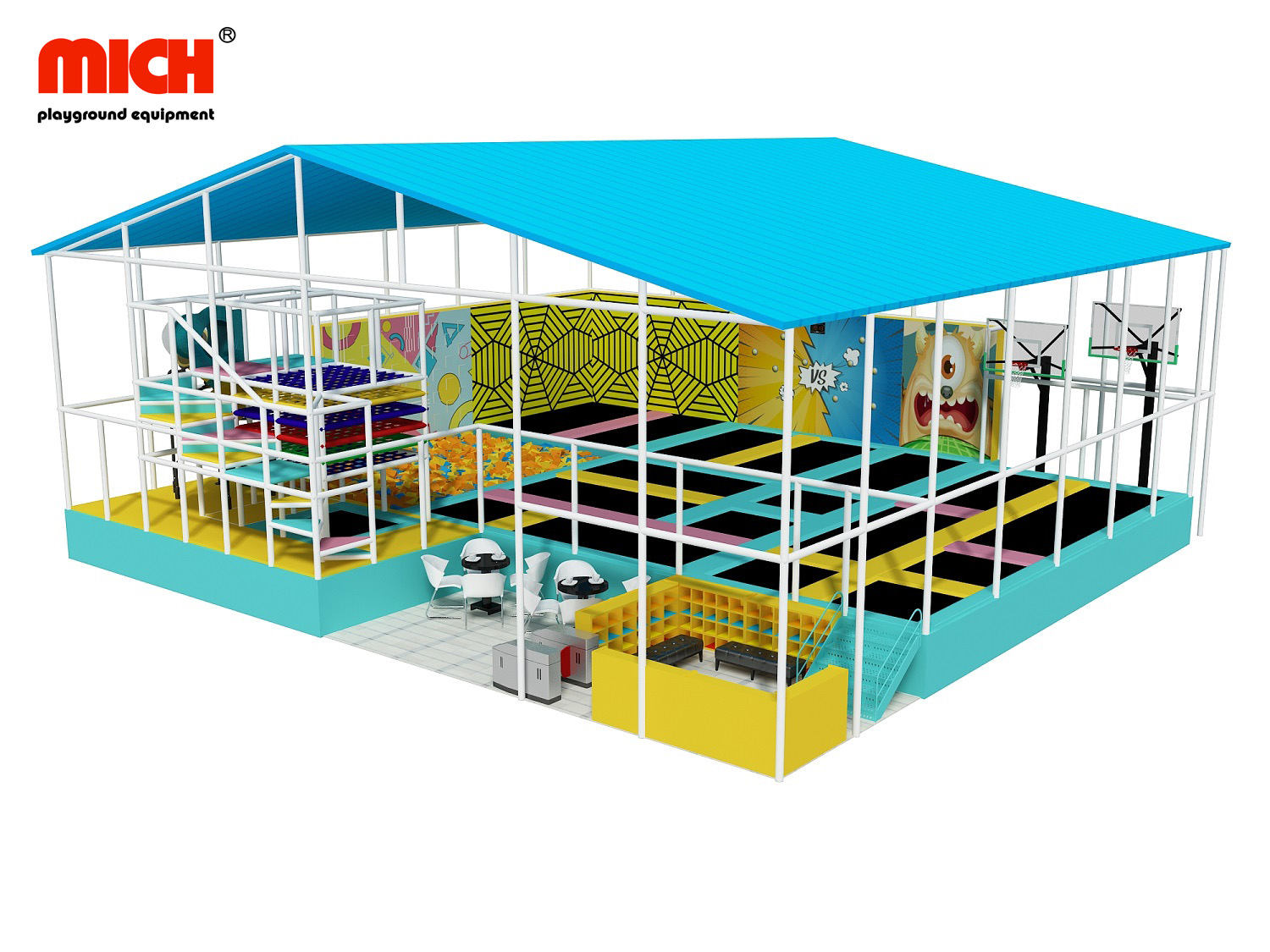
Institutional buyers and large-scale developers frequently look to international manufacturing hubs to fulfill complex playground requirements. Sourcing china outdoors toys for kids offers distinct advantages in scale and variety. Evaluating these options requires a strategic approach based on material science and engineering standards.
Direct sourcing provides significant economic advantages. Facilities can purchase larger, more engaging structures within standard budgets. This allows for the creation of comprehensive play environments that might otherwise be unaffordable. You get more steel and plastic for your project allocation.
By maximizing the budget, developers can include a wider variety of play zones. This variety is crucial for sustaining engagement and reducing screen time. A well-funded playground project delivers a higher return on investment through community use and satisfaction. We always recommend allocating at least 30% of the budget to site prep and surfacing.
Overseas manufacturers possess the capacity to design bespoke play spaces. They can tailor equipment to specific site dimensions and geographic weather profiles. Thematic requirements can also be integrated seamlessly into the design. If you have a narrow, sloping lot, custom engineering is the only way to maximize the footprint.
Scalability allows facilities to expand their play areas over time. Modular designs mean new components can be added as funding becomes available or user demographics change. This flexibility ensures the playground remains a dynamic community asset. Flanged post connections make future expansions much easier than direct-bury posts.
Verifying certifications is the most critical evaluation lens for international sourcing. Equipment must meet strict standards like ASTM F1487, EN1176, and TUV. These certifications guarantee the structures are designed with user safety as the primary focus. Never install equipment that lacks a verifiable paper trail.
Auditing a manufacturer's testing protocols is essential. Buyers must verify testing for toxicity, including lead and phthalates. Structural integrity and entrapment hazards must also be rigorously evaluated before finalizing any purchase. Head entrapment probes are used during the inspection phase to ensure all gaps comply with safety codes.
Balancing upfront costs with long-term durability and visual appeal requires careful consideration. The goal is to maximize engagement metrics while ensuring the equipment withstands heavy use. Strategic material selection directly impacts the success of the play area. You cannot cut corners on steel thickness or plastic density.
Comparing material lifespans is necessary for institutional use. High-Density Polyethylene (HDPE) and Linear Low-Density Polyethylene (LLDPE) plastics offer excellent resistance to fading and cracking. Galvanized steel provides a robust structural foundation. We specify 114mm or 89mm diameter steel posts with a minimum wall thickness of 2.5mm for commercial applications.
Powder-coated finishes protect metal components from rust and corrosion. These materials must withstand harsh weather conditions and constant physical impact. Investing in high-grade materials prevents premature wear and keeps the playground safe and attractive. A zinc-rich epoxy primer beneath the powder coat adds years to the lifespan in coastal environments.
| Material Type | Primary Application | Durability Characteristics |
|---|---|---|
| Galvanized Steel (114mm) | Main support posts, structural frames | High rust resistance, exceptional load-bearing capacity, resists bending |
| HDPE / LLDPE Plastics | Slides, roofs, sensory panels | UV resistant, prevents fading, resists cracking and splintering under impact |
| Powder-Coated Finishes | Metal railings, climbers | Protects against corrosion, provides smooth tactile surface, prevents thermal burns |
| Steel-Core Rope | Climbing nets, bridges | High tensile strength, vandal-resistant, maintains tension over time |
Modular designs allow facilities to upgrade or alter equipment as user demographics change. This prevents the play area from becoming boring or obsolete. A dynamic environment continually challenges children and sustains their interest. You can swap out a basic slide for a complex climbing wall on the same structural frame.
Play structures must address the developmental milestones of early toddlers through to older adolescents. Providing separate zones for different age groups ensures safety and appropriate challenge levels. This phased engagement strategy keeps children coming back year after year. Toddler zones require lower fall heights and softer surfacing materials.
Importing and installing large-scale outdoor toys involves logistical realities. Addressing these challenges upfront ensures a smooth project execution. Experience and expertise are vital when managing international shipments and complex installations. Site preparation is where most projects fail if not managed correctly.
Standard timelines include manufacturing, ocean freight shipping, and customs clearance. Delays can occur at any stage of this process. Understanding these realities helps manage expectations for project completion. You need to coordinate the arrival of the container with the completion of the concrete footings.
Buffer project timelines by 20-30% to mitigate delays. Require regular milestone updates from the manufacturer. Clear communication keeps the project on track and allows for proactive problem-solving. Always have a staging area ready on-site to receive the crates.
Auditing suppliers requires a structured framework. Request factory video tours to verify production capabilities. Check third-party inspection reports from organizations like SGS or Intertek to ensure quality control. Look at their welding seams; sloppy welds indicate poor quality control.
Verify past international project portfolios. A reputable China Playground Manufacturer will readily provide references and case studies. This due diligence minimizes the risk of receiving substandard equipment. Ask for the specific grade of steel and plastic they use in their manufacturing process.
Improper installation poses significant safety risks. Ground preparation, concrete footings, and safety surfacing must meet exact specifications. Errors during this phase can compromise the structural integrity of the entire playground. If the footings are off by an inch, the decks will not align properly.
Ensure the manufacturer provides detailed, localized CAD installation manuals. Consider hiring certified local playground safety inspectors (CPSI) or professional installation crews. Proper installation guarantees the equipment functions safely and extends its operational lifespan.
Reducing screen time requires a systemic upgrade in outdoor play quality. Moving from disposable toys to engaging, durable infrastructure is the only effective strategy. Facilities must prioritize verifiable safety certifications, high-grade materials, and dedicated sensory-quiet integration.
Selecting Kids Outdoor Playground Equipment involves evaluating designs that promote progressive physical challenge. Direct buyers should immediately define their site dimensions and establish a comprehensive budget. Begin requesting compliance documentation from shortlisted manufacturers to initiate the procurement process.
To successfully implement a playground project that actively reduces screen time, follow these immediate steps:
A: Complex equipment provides higher physical and cognitive stimulation than simple toys. It replaces digital dopamine with the natural rewards of physical achievement, social interaction, and sensory engagement, making outdoor play more compelling than screens.
A: Look for ASTM F1487, EN1176, ISO9001, and CE marks. Emphasize third-party testing reports that verify the absence of toxic materials like lead and phthalates, and confirm structural safety and entrapment prevention.
A: Children transitioning off high-stimulation screens often experience sensory overload. Quiet, cozy, tactile playground zones allow them to self-regulate and calm their nervous systems without seeking a digital device for comfort.
A: Pediatric insights recommend active outdoor integration starting by age two-and-a-half. This early intervention cultivates healthy, long-term movement habits before rigid screen dependencies can solidify.
A: Galvanized steel is best for structural posts. LLDPE or HDPE plastics are ideal for slides and panels. UV-resistant powder coatings are essential to prevent fading, rust, and brittleness over time.
A: Utilize the detailed CAD drawings provided by the manufacturer. It is highly advised to hire local, certified playground safety inspectors (CPSI) or professional installation crews to ensure compliance and safety.