- All
- Product Name
- Product Keyword
- Product Model
- Product Summary
- Product Description
- Multi Field Search

Views: 6 Author: Site Editor Publish Time: 2025-10-28 Origin: Site
Opening a Trampoline Park usually costs between $1 million and $2.5 million, depending on the location and features you choose. You need to understand these costs before you start your business. Careful budgeting helps you avoid surprises and keeps your project on track. Many owners in Las Vegas plan for both the main attractions and extra features, like a gym trampoline for kid activities, to meet local demand and stay competitive.
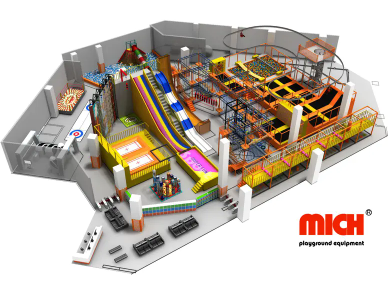
When you plan to open a Trampoline Park, you need to know the typical investment range. Most owners spend between $1 million and $2.5 million to launch a new facility. This range covers the basic setup, equipment, and initial operating costs. In Las Vegas, you may see costs on the higher end because of real estate prices and demand for premium attractions. Some parks in popular neighborhoods invest even more to offer unique features and larger spaces.
Here is a quick comparison of startup costs in different markets:
Location | Typical Startup Cost | Notes |
|---|---|---|
Las Vegas | $1.5M - $2.5M | Higher rent, premium amenities |
Small Towns | $800K - $1.5M | Lower rent, fewer attractions |
Major Cities | $1M - $2.5M | Competitive market, high demand |
Tip: You should always budget for extra expenses, such as upgrades or unexpected repairs. This helps you avoid financial stress after opening.
Several key factors influence how much you spend to open a Trampoline Park. You need to consider each one before you start your project.
Location: The neighborhood and city affect rent, utilities, and insurance. Las Vegas parks often pay more for prime spots near shopping centers or schools.
Size of Facility: Larger parks need more trampolines, safety padding, and staff. This increases both startup and ongoing costs.
Amenities and Attractions: If you add foam pits, climbing walls, or party rooms, your costs go up. Parks that offer birthday packages or group events need extra equipment and space.
Build-Out and Renovation: Some buildings need major upgrades before you can install trampolines. You may need to pay for new floors, lighting, or HVAC systems.
Permits and Licenses: You must get local permits and business licenses. These fees vary by city and state.
Insurance: Liability insurance is essential for any Trampoline Park. Costs depend on your location and the size of your facility.
You should create a detailed budget that includes all these factors. This helps you plan for both expected and unexpected expenses. If you want to compete with top Las Vegas parks, you may need to invest more in attractions and safety features.
You need to decide if you want to lease or buy your facility. Leasing gives you flexibility and lower upfront costs. Many new Trampoline Park owners choose to lease, especially in busy cities like Las Vegas. Leasing lets you start with less capital, but you may face higher monthly payments. Buying a property requires a larger investment at the start. However, you gain long-term control and may build equity over time. If you plan to operate for many years, buying could save you money in the long run.
Location plays a big role in your expenses. Parks in popular Las Vegas neighborhoods, such as Summerlin or Henderson, pay higher rent for better visibility and access to families. You might find lower costs in industrial areas, but you could lose foot traffic. Here is a quick comparison of average monthly lease rates in Las Vegas:
Neighborhood | Average Lease Rate (per sq. ft.) | Example Park Location |
|---|---|---|
Summerlin | $1.80 - $2.50 | Near Downtown Summerlin |
Henderson | $1.50 - $2.20 | Close to Galleria Mall |
Industrial Areas | $1.00 - $1.60 | Off Russell Road |
Note: High-traffic locations often lead to higher revenue, but you must balance this with your budget.
You will need to invest in build-out costs to make your facility safe and attractive. This includes installing trampolines, safety padding, lighting, and HVAC systems. Older buildings may need more renovations, which increases your expenses. In Las Vegas, some parks spend $300,000 to $600,000 on build-out alone. You should get quotes from local contractors and plan for extra costs if you want to add unique attractions or themed areas.
You need to invest in high-quality trampoline systems for your Trampoline Park. These systems form the core of your business. Most parks use commercial-grade trampolines that cost between $50,000 and $150,000, depending on the size and layout. You should look for systems that include strong frames, durable jumping mats, and reinforced springs. Many Las Vegas parks choose modular systems so they can expand or change layouts as needed. You may also need to budget for installation, which can add $10,000 to $30,000 to your costs.
Safety features protect your guests and reduce your liability. You must install thick padding around all trampoline edges and support structures. Padding usually costs $10,000 to $25,000 for a medium-sized park. You also need safety netting, foam pits, and soft landing zones. These features help prevent injuries and make your park more attractive to families. Some parks add advanced monitoring systems or cameras to improve safety. You should always follow industry safety standards and check for updates each year.
You can attract more visitors by adding extra attractions and amenities. Popular options include foam pits, dodgeball courts, basketball hoops, climbing walls, and laser tag arenas. Each attraction adds to your equipment costs:
Attraction | Estimated Cost Range |
|---|---|
Foam Pit | $20,000 - $50,000 |
Dodgeball Court | $15,000 - $30,000 |
Basketball Hoops | $5,000 - $15,000 |
Climbing Wall | $10,000 - $40,000 |
Laser Tag Arena | $50,000 - $100,000 |
If you plan to offer party packages or host group events, you need extra tables, chairs, and private rooms. These additions can cost $10,000 to $40,000. You should match your amenities to your target market. Parks in Las Vegas often invest more in attractions to stand out in a competitive area.
Tip: Always get quotes from multiple suppliers and compare product warranties before making large purchases.
You must protect your Trampoline Park with strong liability insurance. This coverage shields you from claims if someone gets injured while jumping or using your attractions. Most insurance providers require you to follow strict safety rules and maintain your equipment. In Las Vegas, insurance costs for a Trampoline Park usually range from $20,000 to $60,000 per year. The price depends on your park’s size, number of attractions, and your safety record.
Park Size | Annual Insurance Cost |
|---|---|
Small (under 15,000 sq. ft.) | $20,000 - $35,000 |
Medium (15,000-30,000 sq. ft.) | $35,000 - $50,000 |
Large (30,000+ sq. ft.) | $50,000 - $60,000+ |
Tip: Always review your policy details. Some plans exclude certain activities, like foam pits or dodgeball. Ask your provider about coverage for every attraction in your Trampoline Park.
You need several permits and licenses before you open your Trampoline Park. Local governments in Las Vegas and other cities require you to get a business license, fire safety inspection, and health permits. Some areas also ask for special amusement or entertainment permits. The process can take weeks or even months, so you should start early.
Common permits and licenses for a Trampoline Park:
Business license
Certificate of occupancy
Fire department inspection
Health and safety permits
Amusement or entertainment permit
Note: Permit fees vary by city. In Las Vegas, you might pay $2,000 to $10,000 for all required licenses. Always check with your local city or county office for the latest requirements.
A well-insured and legally compliant Trampoline Park builds trust with families and protects your investment. Stay updated on local laws and renew your permits every year.
You need the right team to run your Trampoline Park smoothly. Most parks hire a mix of front desk staff, court monitors, party hosts, cleaning crews, and managers. The number of employees depends on your park’s size and the attractions you offer. For a medium-sized Trampoline Park, you may need:
2–3 managers or supervisors
8–12 court monitors
2–4 front desk staff
2–4 party hosts
2–3 cleaning and maintenance workers
Tip: Hire extra staff during weekends or school holidays. Busy times bring more guests to your Trampoline Park.
Payroll is a major expense for your Trampoline Park. You must pay competitive wages to attract and keep good employees. In Las Vegas, hourly wages for entry-level staff range from $12 to $16 per hour. Managers often earn $40,000 to $60,000 per year. You should also budget for payroll taxes and workers’ compensation insurance.
Position | Average Hourly Wage | Annual Salary (Manager) |
|---|---|---|
Court Monitor | $12 – $15 | — |
Front Desk | $13 – $16 | — |
Party Host | $12 – $15 | — |
Manager | — | $40,000 – $60,000 |
Some Trampoline Park owners offer benefits like health insurance, paid time off, or employee discounts. These perks help you keep your best workers.
Proper training keeps your Trampoline Park safe and fun. You must train every employee on safety rules, emergency procedures, and customer service. Many parks use a mix of classroom lessons, hands-on practice, and online modules. You should hold regular safety drills and refreshers.
Teach court monitors to spot risky behavior.
Train party hosts to handle groups and special events.
Review cleaning and maintenance routines often.
Note: Well-trained staff reduce accidents and improve guest satisfaction at your Trampoline Park.
You need to build excitement for your Trampoline Park before you open the doors. Start by creating a strong online presence. Set up a website with clear information about your attractions, hours, and pricing. Use social media platforms like Instagram, Facebook, and TikTok to share sneak peeks of your facility and equipment. Post behind-the-scenes photos and videos to show your progress.
Offer early bird specials or discounted memberships to your first customers. You can run contests or giveaways for free jump sessions. Partner with local schools, youth groups, or sports teams to spread the word. Invite local influencers or bloggers to tour your Trampoline Park and share their experiences.
Here is a quick checklist for pre-opening promotion:
Launch your website and social media pages
Share construction updates and sneak peeks
Offer pre-sale memberships or discounts
Host a soft opening for friends and family
Reach out to local media for coverage
Tip: Collect email addresses during your pre-opening phase. You can use these contacts for future marketing campaigns.
After your Trampoline Park opens, you must keep attracting new guests and bringing back regulars. Use a mix of digital and local marketing strategies. Run targeted ads on Google and social media to reach families in your area. Update your website with new events, promotions, and safety updates.
Offer group packages for birthdays, schools, and corporate events. Send monthly newsletters with special offers and news. Encourage guests to leave reviews on Google and Yelp. Positive reviews help you stand out in a crowded market like Las Vegas.
Compare common ongoing marketing tactics:
Marketing Tactic | Cost Range (Monthly) | Effectiveness |
|---|---|---|
Social Media Ads | $200 – $1,000 | High |
Email Newsletters | $50 – $200 | Medium |
Local Sponsorships | $100 – $500 | Medium |
Print Advertising | $100 – $400 | Low to Medium |
Stay active in your community. Sponsor local events or sports teams. Host themed nights or special events to keep your Trampoline Park fresh and exciting.
You must plan for ongoing Trampoline Park expenses like utilities and maintenance. These costs keep your park running smoothly every day. Utilities include electricity, water, heating, and air conditioning. In Las Vegas, utility bills for a medium-sized Trampoline Park often range from $3,000 to $7,000 per month. High summer temperatures can push air conditioning costs even higher.
Maintenance is just as important. You need to inspect trampolines, padding, and safety equipment regularly. Routine checks help you spot wear and tear before it becomes a safety risk. Most Trampoline Park owners spend $1,000 to $3,000 each month on repairs and upkeep. You should also budget for deep cleaning, especially in high-traffic areas.
Tip: Schedule regular maintenance to avoid costly emergency repairs. Well-maintained equipment keeps your guests safe and happy.
You need a steady supply of cleaning products, first aid kits, and office materials to run your Trampoline Park. Cleaning supplies help you meet health standards and keep your park inviting. First aid kits are essential for quick responses to minor injuries. Office supplies include paper, pens, and printer ink for daily operations.
Modern Trampoline Park businesses also rely on software. You need a point-of-sale (POS) system to handle ticket sales and concessions. Booking software lets guests reserve jump times or party rooms online. Many parks use management software to track attendance, monitor safety incidents, and manage staff schedules.
Expense Type | Monthly Cost Estimate |
|---|---|
Cleaning Supplies | $300 – $800 |
First Aid & Safety | $100 – $300 |
Office Supplies | $100 – $200 |
POS & Booking Software | $200 – $600 |
Investing in reliable software saves you time and reduces errors. Choose systems that offer good customer support and regular updates.
Running a Trampoline Park brings many expenses you might not expect. You need to plan for these hidden costs to keep your business healthy. Many owners in Las Vegas learn about these costs only after opening. You can avoid surprises by understanding what to watch for.
Equipment in your Trampoline Park takes a lot of wear and tear. Trampolines, foam pits, and safety padding need regular checks. You will need to replace springs, mats, and padding more often than you think. A single torn mat or broken spring can shut down an area. Quick repairs keep your guests safe and your park open.
Here is a table showing average annual costs for repairs and replacements in a medium-sized Trampoline Park:
Item | Average Annual Cost |
|---|---|
Trampoline Mats | $5,000 – $10,000 |
Springs & Hardware | $2,000 – $5,000 |
Foam Pit Cubes | $1,500 – $4,000 |
Safety Padding | $3,000 – $7,000 |
Tip: Set aside a repair fund each month. This helps you handle sudden equipment failures without stress.
Laws and safety standards for Trampoline Parks change often. You must stay up to date with local and national rules. New regulations may require you to upgrade equipment or add new safety features. For example, Las Vegas may update fire codes or health standards. You might need to install new alarms or change your cleaning routines.
You should budget for:
Annual safety inspections
Staff retraining for new rules
Upgrades to meet new codes
Ignoring compliance can lead to fines or forced closures. Staying proactive keeps your Trampoline Park safe and legal.
Note: Always check with your local authorities for the latest requirements. Regular updates protect your investment and your guests.
You can save money when opening your Trampoline Park by making smart choices early. Start by comparing prices from different equipment suppliers. Some companies offer package deals for trampolines, foam pits, and safety gear. You can also look for used or refurbished equipment that meets safety standards. Choose a location that needs less renovation. This reduces your build-out costs. Limit your initial attractions to the most popular ones, like open jump areas and dodgeball courts. Add more features as your business grows.
Tip: Negotiate your lease terms. Many landlords in Las Vegas offer incentives, such as a few months of free rent, to new businesses.
Good financial planning keeps your Trampoline Park on track. Create a detailed budget that lists every expense, from equipment to insurance. Use a spreadsheet to track your spending each month. Set aside a reserve fund for emergencies. This helps you handle repairs or slow seasons without stress. Review your budget often and adjust as needed.
Here is a simple table to help you organize your budget:
Expense Category | Monthly Estimate |
|---|---|
Lease or Mortgage | $20,000 |
Utilities | $5,000 |
Staff Payroll | $18,000 |
Maintenance | $2,000 |
Marketing | $1,000 |
Supplies & Software | $1,000 |
Many new Trampoline Park owners make costly mistakes. Avoid these common errors:
Underestimating build-out and equipment costs
Skipping insurance or choosing low coverage
Ignoring local permit requirements
Hiring too few staff for busy times
Failing to budget for repairs and upgrades
Stay organized and review your finances often. Careful planning helps your Trampoline Park succeed in a competitive market.
You face many costs when opening a Trampoline Park. These include facility, equipment, insurance, staffing, and marketing expenses. Careful planning helps you avoid surprises. To manage your budget:
Research local costs and trends, especially in Las Vegas.
Compare suppliers and get multiple quotes.
Consult with industry experts before you invest.
Smart planning gives your Trampoline Park the best chance for success.
You need at least 15,000 square feet for a basic Trampoline Park. Larger parks in busy cities like Las Vegas often use 25,000 square feet or more to add extra attractions and amenities.
You must get liability insurance for your Trampoline Park. Most owners also buy property and workers’ compensation insurance. Insurance protects you from injury claims and property damage.
You can expect the process to take 8 to 12 months. This timeline includes finding a location, getting permits, building out the space, and installing equipment.