- All
- Product Name
- Product Keyword
- Product Model
- Product Summary
- Product Description
- Multi Field Search

Views: 0 Author: Site Editor Publish Time: 2026-10-30 Origin: Site
The physical safety of children and the legal liability of facility operators hinge on the structural integrity of outdoor play equipment. When a swing chain snaps or a plastic slide cracks under thermal stress, the consequences extend far beyond immediate injuries. Facility managers face the dual challenge of sourcing cost-effective equipment while maintaining strict, verifiable adherence to international safety standards like ASTM, EN, and ISO over the product's entire lifecycle.
Establishing a rigorous, multi-tiered inspection schedule is the only proven method to mitigate risk, extend equipment lifespan, and ensure compliance. This process starts on the factory floor and continues through years of outdoor exposure. By implementing systematic checks, operators identify microscopic wear before it evolves into a catastrophic failure. We rely on these protocols to keep playgrounds safe, functional, and legally compliant year after year.
The core problem space in playground safety exists at the intersection of mechanical wear, environmental degradation, and high-impact usage. Play structures endure constant kinetic stress from jumping, swinging, and climbing. When you combine this physical load with relentless exposure to ultraviolet radiation, rain, and fluctuating temperatures, materials naturally degrade. Recognizing this reality is the first step in building a resilient maintenance program. You cannot install a playground and walk away. It requires active, ongoing management.
Navigating liability and compliance frameworks requires a clear understanding of regional and international guidelines. Standards dictate specific performance metrics for entrapment hazards, structural integrity, and impact attenuation. Facilities must treat these standards as continuous operational benchmarks. Proactive inspection frequencies directly reduce emergency repair costs. Catching a rusting bolt early costs pennies to replace. Ignoring it until a load-bearing joint fails requires extensive downtime and heavy capital expenditure to rectify.
We evaluate safety compliance across several distinct categories. You need to understand how these standards apply to your specific installation environment. A playground in a coastal area with high salt content in the air requires a different inspection cadence than one in a dry, arid climate. The baseline success criteria always revolve around preventing catastrophic failure and minimizing user injury.
| Standard / Guideline | Primary Focus Area | Field Application |
|---|---|---|
| ASTM F1487 | Public Use Playground Equipment | Defines performance requirements for structural integrity, accessibility, and entrapment prevention. |
| CPSC Guidelines | General Public Safety | Provides baseline recommendations for surfacing depth, use zones, and maintenance protocols. |
| EN 1176 | European Safety Standards | Focuses heavily on mechanical testing, material specifications, and installation tolerances. |
When you source Kids Outdoor Playground Equipment, you must verify that the manufacturer designs and tests their products against these specific frameworks. A generic safety certificate is not enough. You need documentation showing that the exact model you are purchasing meets the required load-bearing and entrapment standards.
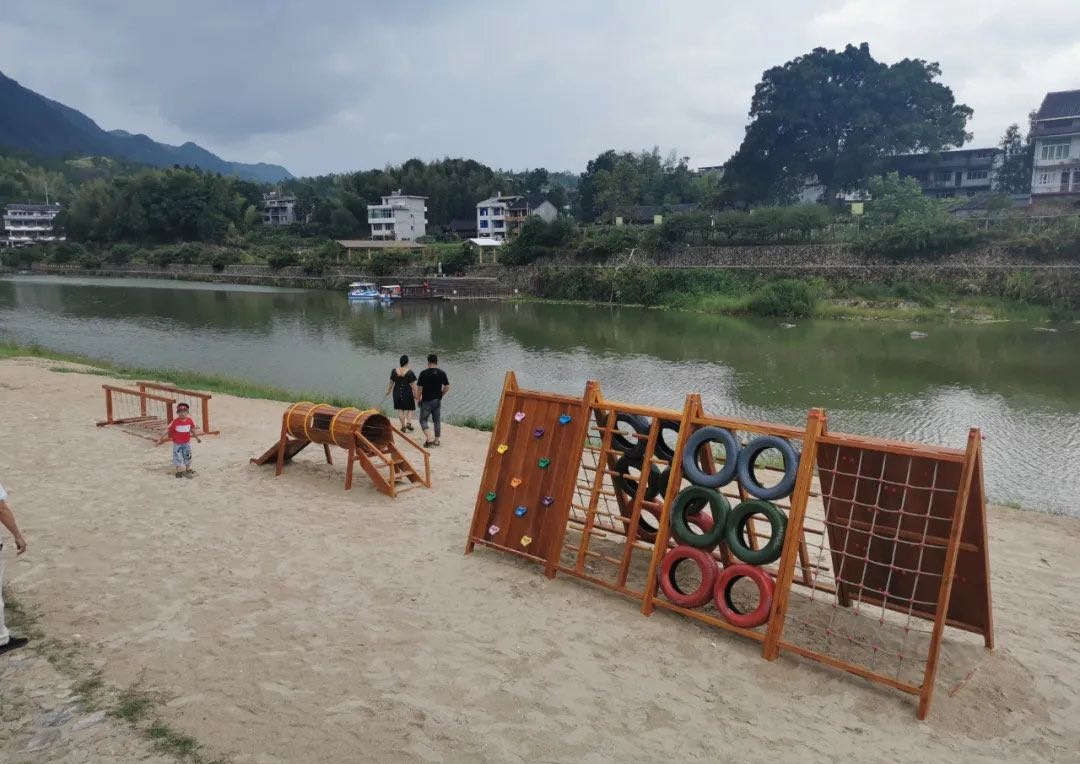
Quality assurance begins long before the equipment reaches your site. Evaluating material sourcing is critical. You must verify the thickness of galvanized steel pipes and confirm that LLDPE plastics are free from toxic additives. Implementing third-party quality control, such as Acceptable Quality Limit (AQL) inspections, before the products leave the export dock verifies load-bearing capacities and weld integrity. This step catches manufacturing anomalies before they become your operational liability.
Managing friction during these audits is a practical necessity. Smoothly introducing a third-party inspection agency to your chosen China Playground Manufacturer requires clear communication. Align on testing metrics early in the negotiation phase. Provide the factory with the exact checklists the inspectors will use. This transparency clears up misunderstandings, prevents production delays, and establishes a collaborative relationship regarding safety standards.
We recommend a specific sequence for factory-level audits to ensure nothing is missed:
Once the equipment arrives and is assembled, a post-installation audit by a Certified Playground Safety Inspector (CPSI) is strictly necessary. Assembly teams can make errors, misinterpreting technical drawings or applying incorrect torque to fasteners. The CPSI verifies that the physical installation perfectly matches the manufacturer's engineering specifications and local safety codes.
This commissioning phase establishes the baseline conditions for all future comparative inspections. Documenting the exact state of the equipment on day one provides the necessary data to accurately measure wear and tear in subsequent months and years. You need to photograph joints, measure fall surfacing depths, and record fastener tightness. If you do not have a baseline, you cannot accurately assess degradation.
Daily or weekly visual checks form the frontline defense against playground injuries. The primary focus is identifying immediate, transient hazards. Maintenance staff must walk the grounds looking for vandalism, broken glass, biological hazards, and standing water. These issues appear overnight and pose immediate threats to users. You do not need a certified inspector for this; trained groundskeepers can handle it.
Hygiene and surface sanitization are equally critical. Inspectors must check high-touch surfaces for biological contaminants, mold, or animal waste, verifying that routine cleaning and disinfection protocols are actively executed. Component checks during this phase involve looking for loose surfacing displacement, obvious structural fractures, and missing hardware. When evaluating china outdoors toys for kids, pay special attention to high-traffic areas like slide exits and swing bays.
Operational inspections dive deeper into the mechanical health of the structures. The focus shifts to mechanical degradation and moving parts, such as swings, hinges, and rotation bearings. These components bear the brunt of kinetic friction and require regular lubrication and alignment checks. We use specific tools like torque wrenches and calipers during these inspections.
During these mid-frequency checks, personnel must look for rust progression, the development of pinch or crush points, S-hook wear, and fastener torque verification. As equipment settles and experiences thermal expansion and contraction, bolts naturally loosen. This level of inspection requires dedicated maintenance personnel who have received specific training on the mechanical tolerances of the installed equipment.
The annual audit is a rigorous, invasive examination designed to uncover hidden structural failures, foundation shifting, and material fatigue. This is not a cursory glance; it is a deep diagnostic process. Component checks include sub-surface footing inspections to ensure concrete anchors have not cracked or heaved due to frost or soil erosion. We often dig down to the footings to check for subterranean corrosion.
Inspectors conduct wood rot and metal corrosion analysis, often probing materials for internal decay. Crucially, this audit includes safety surfacing impact attenuation testing, utilizing specialized drop-test equipment to ensure the ground still meets critical fall height requirements. Because of the technical complexity and liability implications, this audit must be conducted by an independent, certified inspector.
| Inspection Type | Frequency | Personnel Required | Key Actions |
|---|---|---|---|
| Visual Check | Daily / Weekly | Grounds Staff | Remove trash, check for vandalism, rake loose surfacing. |
| Operational Inspection | Monthly / Quarterly | Trained Maintenance | Check torque on bolts, measure S-hook wear, lubricate bearings. |
| Structural Audit | Annually | Certified Inspector (CPSI) | Sub-surface footing checks, drop-testing surfacing, structural fatigue analysis. |
Different materials react uniquely to outdoor environments, requiring specific evaluation techniques. For plastics, inspectors must check for UV-induced brittleness, color fading, and thermal expansion cracking. Color fading serves as a reliable indicator of polymer breakdown. Faded plastic is often weaker plastic. We use a simple tap test; if high-density polyethylene sounds hollow or sharp, it may be micro-cracking.
Metals require evaluation of powder-coating integrity. Scratches in the coating expose the raw steel to moisture, leading to weld oxidation and internal condensation rust. Wood components must be meticulously inspected for splintering, fungal decay, and hardware pull-through. Hardware pull-through happens when bolts slowly crush the deteriorating wood fibers and lose their holding power. You must check the torque on wood assemblies frequently.
The ground beneath the equipment is just as critical as the structure itself. For loose-fill materials like mulch, sand, or engineered wood fiber, maintenance teams must regularly measure the depth in high-traffic areas. Displacement occurs rapidly under swings and at slide exits, quickly reducing the impact attenuation to dangerous levels. You need depth markers on the support posts to make this visual check easy.
Unitary surfaces, such as pour-in-place rubber, require different checks. Inspectors must examine these surfaces for hardening caused by UV exposure, edge curling that creates trip hazards, or separation at the seams. Any degradation in the surfacing directly increases the severity of potential fall injuries. We use a durometer to test the hardness of rubber surfacing over time.
Playgrounds are engineered for specific developmental stages. Verifying that age-appropriateness decals remain legible and intact is a mandatory safety requirement. These labels guide parents and caregivers, preventing toddlers from accessing structures designed for older children with wider grip spans and higher fall risks. If a label peels off, replace it immediately.
Inspectors must also ensure that separate play zones for different age groups maintain their physical safety margins. Over time, facilities might add portable toys or make adjacent modifications that compromise these intended buffer zones. Maintaining clear, distinct areas is vital for preventing collisions and age-inappropriate usage.
Procurement is the first step in maintenance. When evaluating suppliers, you must verify specific testing reports from reputable agencies like TUV Rheinland, SGS, or Intertek. Do not accept general factory ISO 9001 certificates as proof of product safety. You need reports tied directly to the specific product lines you intend to purchase. We always ask for the raw test data, not just the summary certificate.
Assess the manufacturer's transparency regarding raw material suppliers and chemical safety. Demand documentation proving the use of lead-free paints and phthalate-free plastics. A reputable supplier will readily provide this data, understanding that chemical safety is just as heavily regulated as structural integrity. If they hesitate to provide material safety data sheets, walk away.
Analyze the realism of warranty claims before signing a purchase order. Lifetime warranties on moving parts or high-friction components are immediate red flags, indicating a lack of engineering realism. Genuine warranties clearly define the expected lifespan of different materials under normal use. Steel posts might have a 20-year warranty, while swing bearings might only have a one-year warranty.
Evaluate the availability of replacement parts and detailed, localized maintenance manuals. If a proprietary bearing fails three years after installation, you need assurance that the exact replacement part can be shipped quickly. Comprehensive maintenance manuals tailored to your specific configuration are essential for training your onsite staff. We require exploded-view diagrams for all complex assemblies.
The most significant administrative risk is the failure to prove due diligence in the event of an accident. If a child is injured and you cannot produce a documented history of routine inspections, liability increases exponentially. Relying on scattered paper checklists often results in lost data and missed inspection intervals. Paper logs get ruined in the rain or lost in truck cabs.
Mitigate this by implementing digital Computerized Maintenance Management Systems (CMMS). Require maintenance staff to upload time-stamped photos and complete mandatory digital checklists before closing out a work order. This creates an immutable, searchable record of your commitment to safety. It also allows managers to track recurring issues and adjust maintenance schedules accordingly.
Importing equipment that passes factory standards but fails local municipal safety codes is a costly error. A structure might meet EN standards but violate a specific local entrapment guideline, rendering it uninsurable or illegal to operate in your jurisdiction. We see this frequently with custom-designed net climbers.
To prevent this, cross-reference all technical drawings with local CPSI consultants prior to finalizing the purchase order. Having a local expert review the specifications ensures that the equipment will pass the post-installation commissioning without requiring expensive, on-site modifications. Pay a consultant for two hours of drawing review; it will save you thousands in field modifications.
Assuming structural integrity based purely on cosmetic appearance is a dangerous trap. A swing frame might look freshly painted while the internal bolts are suffering from sheer stress, or a weld might be failing beneath a layer of powder coating. Rust often starts from the inside of the pipe and works its way out.
Mitigate this risk by mandating torque testing on hidden fasteners and non-destructive testing on primary load-bearing welds during the annual audits. By looking beyond the surface, you catch the invisible wear that precedes sudden structural collapse. We use ultrasonic thickness gauges to check the wall thickness of steel pipes near ground level.
The safety of outdoor play equipment is a continuous, active process. Sourcing cost-effective equipment remains a viable strategy only when it is paired with an uncompromising, tiered inspection regimen that tracks wear from the factory floor to the end of the product's usable life. The initial purchase price is irrelevant if the equipment cannot be safely maintained over the long term.
Take immediate action to secure your facility:
A: Commercial equipment requires daily visual checks for immediate hazards, monthly operational inspections for mechanical wear, and a comprehensive annual audit by a certified inspector.
A: Moving parts like swing bearings and S-hooks, high-friction areas such as slide exits, and load-bearing hardware prone to loosening or rust are the most common failure points.
A: Request verifiable, third-party testing reports from agencies like SGS, TUV, or Intertek, specifically demonstrating compliance with ASTM F1487 or EN 1176 standards for the exact model you are purchasing.
A: A visual check identifies obvious, surface-level hazards like trash or broken parts. A structural audit involves mechanical testing, torque verification, and sub-surface foundation checks by a certified professional.
A: Extreme temperature fluctuations, high humidity, and intense UV exposure accelerate material degradation, including rust and plastic brittleness. This necessitates more frequent operational inspections to catch early-stage failures.
A: Liability typically falls on the facility owner or operator if failure is due to improper maintenance or lack of inspection. However, manufacturers can be liable if a proven design or manufacturing defect caused the failure.