- All
- Product Name
- Product Keyword
- Product Model
- Product Summary
- Product Description
- Multi Field Search

Views: 4 Author: Site Editor Publish Time: 2026-01-23 Origin: Site
Have you ever considered the thrill of jumping into a world of fun? Trampoline parks are rapidly gaining popularity, offering exciting experiences for all ages.
Building a trampoline park can be a profitable business venture, tapping into the growing demand for active entertainment.
In this article, we’ll explore how to build a trampoline park, from planning and budgeting to design and safety compliance. Get ready to discover the steps to create your own exciting trampoline destination!
Understanding your target audience is crucial when planning a trampoline park. You need to identify who will be using the facility. Families, kids, teens, and adults all have different needs and preferences. For example, younger children may prefer softer, safer equipment, while teens might seek more adventurous options like ninja courses or dodgeball zones. Knowing your audience helps in tailoring your offerings to meet their expectations.
Next, take a close look at local competitors. Identify existing trampoline parks in your area and analyze their offerings. What types of attractions do they have? How do they market themselves? Understanding their strengths and weaknesses can help you find a niche for your park. For instance, if other parks focus on general jumping areas, you might want to introduce unique themed attractions or specialized areas for toddlers.
Here’s a quick comparison chart to help you visualize your competitors:
Competitor Name | Key Attractions | Pricing Structure | Unique Selling Points |
Jump Zone | Standard trampolines, foam pits | $15 per hour | Family-friendly environment |
Air Adventure | Ninja course, dodgeball | $20 per hour | Special events and birthday packages |
Tramp World | Climbing walls, obstacle courses | $18 per hour | Interactive digital games |
Now, let’s talk money. Building a trampoline park requires significant investment. The initial costs typically range from $500,000 to $3 million, depending on the size and features of your park. It’s essential to create a detailed budget that includes construction, equipment, and operational expenses.
When it comes to financing, you have several options. You can seek loans from banks or investors who believe in your vision. Alternatively, consider franchising if you want to join an established brand. This can provide you with a proven business model and support, but it might limit your creative control.
Don’t forget about insurance! Operating a trampoline park involves risks, so it’s vital to protect your investment. Expect annual liability premiums to range between $10,000 and $30,000. This coverage is necessary to safeguard against potential accidents and injuries, which are common in high-energy environments like trampoline parks.
In summary, thorough market research and careful financial planning are foundational steps in creating a successful trampoline park. By understanding your audience and analyzing competitors, you can carve out a unique space in the market. Additionally, securing the right funding and insurance will help ensure your park operates smoothly and safely.
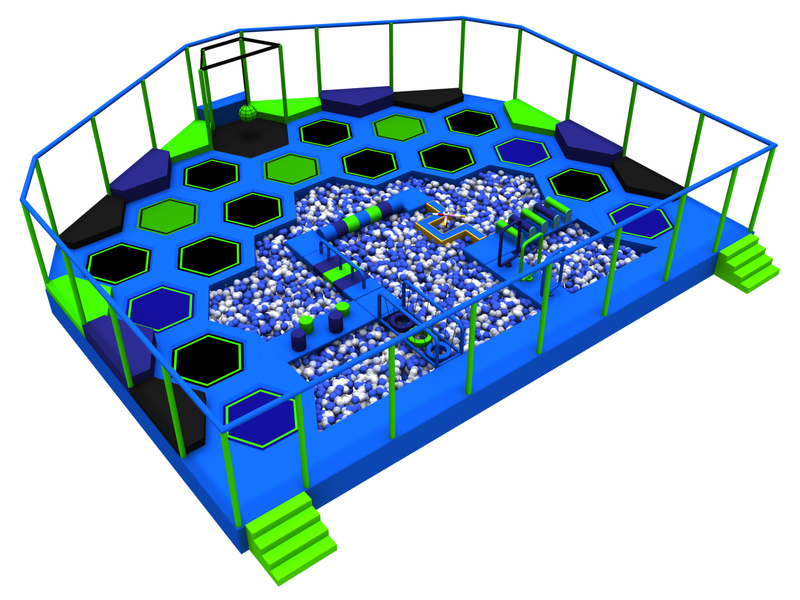
Selecting the right location for your trampoline park is crucial for its success. The space you choose will significantly impact customer experience and operational efficiency. Here are some key considerations to keep in mind.
When it comes to space, the ideal square footage for a trampoline park typically ranges from 18,000 to over 35,000 square feet. This size allows for a variety of attractions, including multiple trampoline courts, foam pits, and obstacle courses. A larger area not only enhances the experience but also accommodates future expansions.
Ceiling height is another critical factor. Compliance with ASTM F2970 mandates a minimum height of 17 feet. This ensures safety during jumps and allows for features like climbing walls and double-layer trampolines. A taller ceiling creates a more open environment, making it more enjoyable for visitors.
Finding the right property is vital for your trampoline park's success. Look for industrial warehouses or large retail spaces that can meet your design needs. These properties often provide the necessary square footage and ceiling height to comply with trampoline park standards.
Accessibility is essential for attracting customers. Make sure your trampoline park has ample parking space to accommodate visitors. Additionally, being near public transport options can increase foot traffic. A convenient location encourages families and groups to visit, making it easier for them to enjoy the fun and excitement your park offers.
Here’s a quick overview of the key factors to consider when selecting your trampoline park location:
Factor | Considerations |
Ideal Square Footage | 18,000 to 35,000+ square feet |
Minimum Ceiling Height | 17 feet (ASTM F2970 compliance) |
Property Type | Industrial warehouses or large retail spaces |
Parking Accessibility | Ample parking and proximity to public transport |
By focusing on space requirements and accessibility, you can create an inviting trampoline park that attracts a diverse range of customers, ensuring a successful venture.
Creating an engaging and fun trampoline park involves thoughtful design and layout. This section will guide you through the key aspects of designing your space, from the layout to equipment selection.
A well-planned layout is essential for maximizing the fun and functionality of your trampoline park. Generally, you should allocate about 45% to 50% of the total space for trampolines. This ensures there is enough room for various jumping activities while maintaining safety standards.
Most trampoline parks feature a variety of courts, including open jump areas, foam pits, and dodgeball zones. By designing these areas thoughtfully, you can create distinct zones for different activities, catering to all age groups.
In addition to trampoline areas, incorporating amenities is crucial. Consider adding reception areas, cafes, and party rooms. These spaces enhance the overall experience, allowing families to relax and enjoy refreshments while their kids play.
Choosing the right equipment is vital for safety and enjoyment. It's important to select quality manufacturers known for their reliability. Recommended brands like MICH PLAYGROUND offer a range of trampoline park equipment designed for durability and fun.
To keep visitors entertained, consider incorporating diverse attractions. Options such as ninja courses, climbing walls, and dodgeball zones can add variety to your park. These features not only attract a wider audience but also encourage repeat visits.
MICH PLAYGROUND provides an impressive array of trampoline park equipment. Here’s a brief overview of some of their standout products:
Product Name | Description |
Large Indoor Trampoline Park with Air Ninja Warrior | A comprehensive setup featuring various trampolines and ninja courses. |
Mich Gym Trampoline for Kids | Tailored for younger children, ensuring safety and fun. |
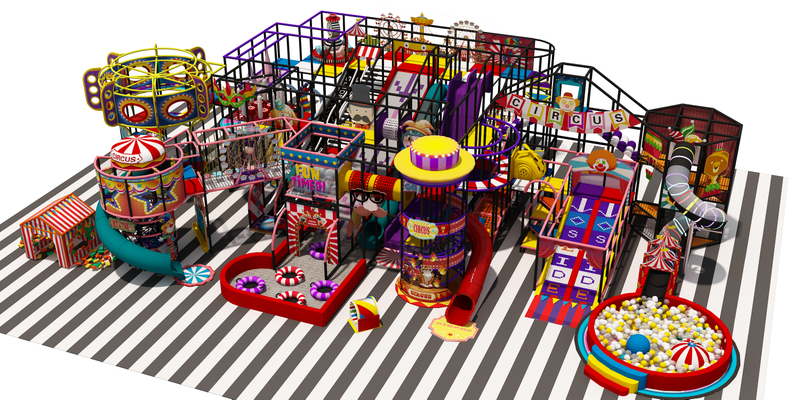
Indoor Circus Cartoon Theme Park 2505E | A vibrant, themed attraction that engages young visitors. |
By focusing on a well-structured layout and selecting high-quality equipment, you can create a trampoline park that is both exciting and safe for all ages. This thoughtful design will help ensure your park stands out in a competitive market.
Ensuring legal and safety compliance is a critical aspect of building a trampoline park. This section covers essential safety standards, necessary permits, and liability management to create a safe environment for all guests.
Understanding safety standards like ASTM F2970 and PAS 5000 is vital for your trampoline park. These standards provide guidelines for equipment design, installation, and maintenance, ensuring safety for all users. Compliance with these regulations not only protects your guests but also shields your business from potential legal issues.
Adhering to safety standards helps in the proper installation of trampolines and associated equipment. This compliance minimizes the risk of accidents and injuries, which can have serious repercussions for your business. Regular inspections and maintenance are necessary to uphold these safety standards and ensure ongoing compliance.
In addition to safety standards, obtaining the necessary local business licenses and health inspections is crucial. Each region has specific requirements for operating a trampoline park, including zoning laws and health regulations. It’s essential to research and secure all required permits before opening your doors to the public.
Here’s a quick overview of the types of permits you may need:
Permit Type | Purpose |
Business License | Required to legally operate your trampoline park. |
Health Inspection | Ensures compliance with local health and safety regulations. |
Zoning Permit | Confirms that your location is suitable for a trampoline park. |
Implementing digital liability waivers is another important step in managing risk. These waivers serve as legal protection for your business by outlining the risks involved in using trampoline facilities. Guests sign these waivers before participating in activities, acknowledging the inherent risks.
Having a robust waiver process not only protects your business but also enhances guest safety. It ensures that visitors understand the rules and safety measures in place. By clearly communicating the risks, you help foster a safer environment for everyone involved.
By focusing on legal compliance and safety standards, you can create a trampoline park that prioritizes guest safety while protecting your business interests. This proactive approach will help establish a positive reputation in the community and encourage repeat visits.
Running a successful trampoline park requires effective operations and management strategies. This section will explore essential staffing roles, training programs, and marketing strategies to attract and retain customers.
Proper staffing is crucial for creating a safe and enjoyable environment at your trampoline park. Key roles include court monitors, front desk staff, and event coordinators. Each position plays a vital part in ensuring smooth operations and a positive guest experience.
● Court Monitors: Responsible for overseeing the trampoline areas, ensuring safety protocols are followed, and assisting guests as needed. They play a crucial role in maintaining a fun yet secure atmosphere.
● Front Desk Staff: The first point of contact for guests. They handle ticket sales, answer questions, and manage check-ins. Excellent customer service skills are essential in this role.
● Event Coordinators: Focus on organizing special events like birthday parties and group bookings. They ensure that events run smoothly and meet customer expectations.
Implementing comprehensive training programs is essential for all staff members. These programs should cover safety protocols, emergency procedures, and customer service training. Regular training sessions help keep staff updated on best practices and ensure they are equipped to handle any situation.
Effective marketing strategies can significantly boost your trampoline park's visibility and attract new customers. Consider using a mix of social media, local advertising, and partnerships to promote your park.
● Social Media: Utilize platforms like Instagram and Facebook to showcase your park's attractions and engage with the community. Regular posts and interactive content can help build a loyal following.
● Local Advertising: Advertise in local newspapers, magazines, and community boards to reach potential customers. Highlight unique features, promotions, and upcoming events.
● Partnerships: Collaborate with local schools, sports teams, and community organizations to create special offers or events. These partnerships can help expand your reach and attract new visitors.
Offering special promotions and hosting events can draw in crowds and encourage repeat visits. Consider options like:
Promotion Type | Description |
Special Offers | Discounts for first-time visitors or group bookings. |
Birthday Parties | Tailored packages that include jumping time, food, and decorations. |
Seasonal Events | Themed events during holidays or school breaks to attract families. |
By focusing on effective staffing and innovative marketing strategies, you can create a trampoline park that not only attracts visitors but also keeps them coming back for more fun.
Exploring case studies and success stories offers valuable insights into the trampoline park industry. This section highlights the global market coverage of trampoline parks and showcases specific successful projects that illustrate best practices and customer satisfaction.
The trampoline park industry has seen rapid growth worldwide, and MICH has played a significant role in this expansion. Their international reach covers various regions, including Europe, the Middle East, and North America, where trampoline parks have become popular family entertainment venues.
MICH has successfully completed numerous trampoline park projects across different continents. Here’s a brief overview of their projects:
Region | Notable Projects | Key Features |
Europe | Various parks in Germany and the UK | Innovative designs, diverse attractions |
Middle East | Parks in Dubai and Abu Dhabi | Luxury amenities, family-friendly environments |
North America | Multiple locations in the United States and Canada | Extensive trampoline areas, themed attractions |
These projects demonstrate MICH's ability to adapt to different markets while maintaining high standards of safety and customer experience.
Focusing on specific customer cases provides deeper insights into operational success and customer satisfaction. Two notable projects by MICH include the Curacao Project and a trampoline park in Sydney, Australia.
1. Curacao Project: This trampoline park has become a local favorite, featuring a variety of attractions such as foam pits, ninja courses, and dodgeball zones. Customer feedback highlights the park's vibrant atmosphere and friendly staff, contributing to repeat visits.
2. Sydney, Australia Project: This state-of-the-art trampoline park incorporates advanced safety features and a unique design that appeals to both children and adults. It has received positive reviews for its cleanliness, safety measures, and engaging activities, leading to high customer satisfaction rates.
Project Location | Customer Feedback | Operational Success |
Curacao | "An amazing place for family fun!" | High repeat visitor rate |
Sydney | "Best trampoline park I've ever visited!" | Consistent positive reviews on social media |
These success stories illustrate the importance of quality design, safety, and customer service in creating a thriving trampoline park. By learning from these examples, new trampoline park owners can implement effective strategies to ensure their own success in this competitive industry.
Building a trampoline park involves several key steps. Start by designing a safe and engaging layout. Ensure compliance with safety standards and obtain necessary permits. Staffing and effective marketing are also crucial for success.
We encourage you to embark on this exciting journey. With the right planning and execution, your trampoline park can thrive. The potential for fun and community engagement is immense in this growing industry.