- All
- Product Name
- Product Keyword
- Product Model
- Product Summary
- Product Description
- Multi Field Search

Views: 2 Author: Site Editor Publish Time: 2026-02-09 Origin: Site
You want to learn the main steps to open a trampoline park. First, do good market research. Always think about safety. Make sure you plan every small detail. Trampoline parks are popular with families who want fun and exercise. More people want to do healthy things now. The industry is growing quickly. Profit margins are between 15% and 25%. Many parents pick trampoline parks because kids need safe places to play. MICH helps you make your idea real. Families can jump, laugh, and stay healthy there.
Do careful market research to learn about demand and competition. This helps you find what is missing and what you can do in your area.
Make a clear business plan that shows your goals, who you want to come, and how much money you need. A good plan helps you make choices and brings in investors.
Pick a safe place that is easy for people to get to and has enough room for activities. A good layout makes guests happy and keeps them safe.
Buy strong, certified equipment to keep everyone safe and make it last longer. Good equipment lowers risks and makes customers happier.
Talk with your customers by asking for feedback and giving promotions. Listening to guests helps you make your park better and makes them want to come back.
You want your trampoline park to stand out. Start by checking how many parks already operate in your city. The trampoline park industry in the U.S. is booming. Chains like FunCity Adventure Park keep growing. Many parks serve families and thrill-seekers. High competition means you need to offer something special. Look at what other parks do. Visit them and see their busiest times. Write down their prices and activities. Use local demographic data to find out how many families live nearby. If you see lots of parks, you know demand is strong. If you see only a few, you might have a chance to fill a gap.
Tip: Talk to other park owners. They can share what works and what doesn’t. You learn faster when you listen to people with experience.
Think about who will visit your trampoline park. Most parks attract families with children, teens, and young adults. You can also target schools, sports teams, and birthday parties. Check the age groups in your area. If you see many young families, you know your business can grow. Ask parents what activities their kids enjoy. You can use surveys or social media polls. Make sure your park offers safe fun for all ages. When you know your audience, you can plan better events and promotions. Opening a trampoline park becomes easier when you understand your customers.
Make a table to organize your findings:
Target Group | Needs | How to Reach Them |
|---|---|---|
Families | Safe play, exercise | Local ads, schools |
Teens | Excitement, sports | Social media, events |
Young Adults | Fitness, fun | Gyms, online groups |
You build a strong business when you know your market and your customers.
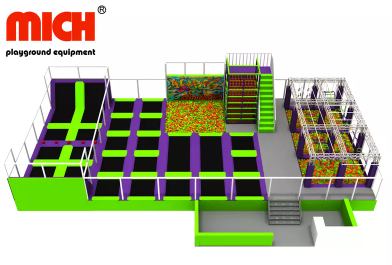
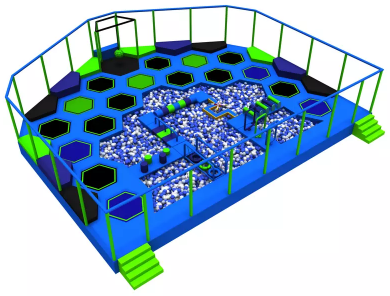
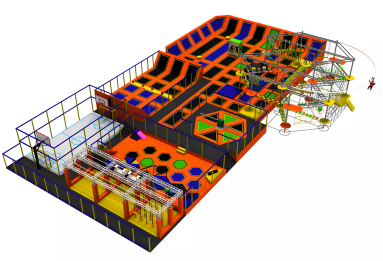
You need a strong business plan before you do anything else. This plan helps you see the big picture and keeps you on track. It answers questions about your goals, your customers, and your money. When you write your plan, think about these things:
Do market research to learn about your competition and your target customers.
Define your main audience. Most trampoline parks attract people ages 5 to 30.
Think about the types of customers you want. Some will visit once for a party. Others will come back every week.
A good business plan helps you make smart choices. It shows you what works and what needs to change. You can use your plan to talk with banks or investors.
Opening a trampoline park takes a big investment. You need to know how much money you will spend before you start. Most parks in the United States cost between $100,000 and $500,000 to open. Some parks need even more, especially if you want a large space or special equipment. The biggest costs come from building the park and buying trampolines and safety gear.
Here is a simple table to help you see where your money might go:
Expense Type | Estimated Cost |
|---|---|
Building & Renovation | $50,000 - $200,000 |
Trampoline Equipment | $40,000 - $150,000 |
Safety Features | $10,000 - $50,000 |
Marketing | $5,000 - $20,000 |
Staff & Training | $10,000 - $30,000 |
Tip: Always add extra money for surprises. You want your business to stay safe and ready for anything.
You must pick the right structure for your business. Some people start as a sole owner. Others work with partners or set up a company. Each choice has its own rules for taxes and safety. Think about what fits your goals.
Next, look for ways to get money. You can use your savings, ask family, or talk to banks. Some people find investors who want to help children and families have fun. Make sure you know how much you need before you ask for help.
When you plan well, you give your business the best chance to grow. You can focus on making your park safe and fun for everyone.
Picking the right space is very important. You need a place that is easy to find. It should be big enough for all your activities. Most parks use spaces from 20,000 to 100,000 square feet. This gives room for trampolines, party spots, and snack bars. Look at this table to see how park sizes compare:
Size Classification | Space Requirement (sq ft) |
|---|---|
Small parks | 10,000-20,000 |
Medium parks | 20,000-40,000 |
Large-scale facilities | 40,000-55,000 |
Mega parks | 55,000-63,000+ |
You can start with a medium park and grow later. Modular layouts let you add new attractions as your business gets bigger. This keeps costs lower at first. You can scale up when more people visit. A smart layout helps guests move around easily. Everyone has fun and stays safe.
Tip: Find buildings with high ceilings and open floors. This makes it easier to set up trampolines and safety nets.
When you choose equipment, pick products that meet top safety standards. Look for certifications like ASTM and TUV. These show the trampolines and gear passed strict safety tests. Here’s a quick guide to what these certifications mean:
Certification | Description |
|---|---|
ASTM | Standards for trampoline park equipment ensuring safety and performance. |
TUV | Certification indicating compliance with European safety standards. |
You may also see CE marks for products sold in Europe. Always ask your supplier about these certifications before buying. Good equipment lasts longer and keeps guests safe.
To get the best value, think about modular designs. These let you add or change attractions without big renovations. Modular setups can cut installation costs by up to 15%. Some parks pay off their equipment in less than three years. Smart layouts and visitor flow tracking help with this. You can earn more by offering themed packages or special events.
Strategy | Benefit |
|---|---|
Modular Design | Reduces installation costs and speeds up ROI. |
Payback Period Calculations | Equipment can pay for itself in less than three years. |
Hybrid Visitor Flow Models | Increases visitor satisfaction and makes better use of space. |
Premium-Themed Packages | Can raise revenues by up to 40% with special upsell opportunities. |
Safety and fun are both important at a trampoline park. You want everyone to have a good time and stay safe. Use protective net-covered panels around jumping areas. These nets stop kids from falling out. They let kids jump with confidence. Special elastic materials in trampolines lower injury risk. They make every bounce feel great. Always cover springs and hard edges with thick padding. This keeps feet and hands safe.
Here’s a table showing how design features help with safety and fun:
Design Feature | Contribution to Safety | Contribution to Fun |
|---|---|---|
Protective net-covered panels | Prevents falls | Lets kids jump freely |
Special elastic materials | Lowers injury risk | Makes jumping more exciting |
Padded coverings over springs | Stops feet from getting caught | Creates a worry-free play space |
You can make special zones for toddlers or younger kids. This helps you follow age limits and gives parents peace of mind. When you design your park for safety and fun, families trust you and keep coming back.
Note: Train your staff to check equipment and watch for unsafe behavior. A safe trampoline park is a successful one.
If you focus on smart space choices, certified equipment, and safe design, your business will do well for a long time. Opening a trampoline park is easier when you plan every detail and put guests first.
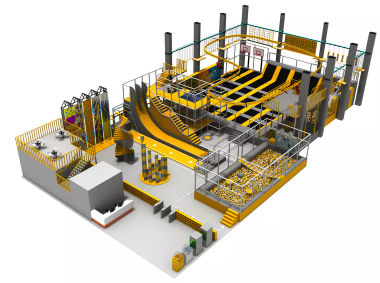
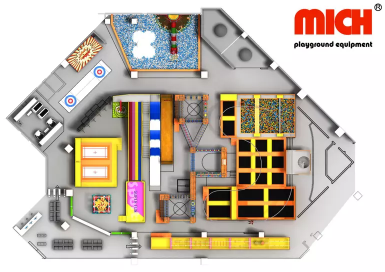
You must get permits and licenses before opening your trampoline park. Every city and state has different rules. These papers keep your business legal and help you avoid trouble. Here’s a table showing what you might need:
Permit Type | Description |
|---|---|
Business License | Lets you run your park in your area. |
Zoning and Land Use Permit | Makes sure your park follows local zoning laws. |
Building and Construction Permits | Needed if you build or change your park. |
Fire Department Approval | Shows your park meets fire safety rules. |
Health Department Permits | Needed if you sell food or drinks. |
Amusement Device License | Needed for trampoline equipment in some places. |
Signage Permit | Needed for signs at your park. |
Music Licensing | Lets you play music in your park. |
Insurance Requirements | Shows you have insurance for safety and legal reasons. |
Tip: Ask your local government about the newest rules. Rules can change, so check often.
You want guests to have fun and stay safe. Follow these safety steps to protect everyone:
Age zones keep younger kids away from older jumpers.
Clear rules, like one jumper per trampoline, stop injuries.
Parents should watch their kids in busy spots.
Grip socks help stop slips and give better grip.
Daily checks keep trampolines and mats safe.
You also need good insurance to protect your park. Product liability insurance covers injuries from equipment. Commercial property insurance protects your trampolines and gear from damage or theft. Here’s a table with common insurance types:
Insurance Type | Description |
|---|---|
Commercial General Liability | Covers injuries and damage to others. |
Professional Liability | Protects against mistakes or negligence claims. |
Product Liability | Covers injuries from trampoline equipment. |
Commercial Property Insurance | Protects your park’s things from damage or theft. |
Special Events Liability | Covers injuries during special events. |
Having the right insurance keeps your park safe and protects your money.
Your team must know what to do every day and in emergencies. Good training makes your park safer and builds trust with families. Here are some best tips:
Train staff with real-life practice and teamwork.
Teach everyone first aid so they can help if someone gets hurt.
Floor monitors remind guests about safety rules.
Hold regular refresher courses to keep everyone sharp.
Write down emergency steps and keep logs for safety checks.
Note: When your staff feels ready, guests feel safe. A trained team helps your park run well.
You want your trampoline park to be special in your city. Make a brand that families remember. Share fun videos and pictures on Instagram and TikTok. Run contests and ask guests to tag your park online. Work with schools and local businesses for deals. Hold cool events like glow-in-the-dark nights to get new visitors. Start a loyalty program so guests earn points each visit. They can trade points for prizes. These ideas help more people hear about your park and want to come back.
Social media posts and contests
Working with local groups
Special events and rewards
A big opening makes people talk about your park. Start sharing news about your grand opening early on social media. Give free tickets to the first guests and offer family discounts. Plan fun things like a ribbon-cutting or a kids’ concert. Invite a local celebrity or influencer to make the day exciting. Use this table to plan your ideas:
Promotional Tactic | Description |
|---|---|
Social Media Promotion | Tell everyone about the opening months before |
Free Tickets & Discounts | Bring in first guests with deals |
Special Activities | Have ceremonies, concerts, and kids’ events |
Invite a Special Guest | Ask a celebrity or influencer to join |
Keep your park busy all year with smart marketing. Collect emails when people book or come to events. Send emails with birthday deals and VIP offers. Use social media ads to remind guests about the fun they had. Give rewards for coming back again. Let your best fans get into special events early. These steps help families remember your park.
Your team helps your business do well. Hire people who like working with kids and have lots of energy. Safety should always come first. Teach everyone the safety rules and how to help guests. Use job boards to find good workers. Hold training often to keep everyone ready. Add more staff during busy weekends and holidays.
Teach safety and get certifications.
Find team members who are excited.
Use a careful hiring process.
Train your team often.
Add extra staff for busy times.
A good booking system makes visiting your park easy. Pick software that lets guests book online and sign waivers. Guests can pay with cards or digital wallets. Use self-service kiosks to check people in faster. Track your supplies and manage memberships for steady money. A good system helps your park run smoothly and makes guests happy.
Software for booking and payments
Digital waivers and self-check-in
Membership tools and tracking
Listen to your guests to make your park better. Many people say they love the fun and excitement. Some say the park helps them relax and meet friends. Parents like the safety and clean spaces. Ask for feedback after each visit. Use what you learn to make your park safer and more fun. Happy guests will tell their friends, which helps your park grow.
Tip: Always thank guests for sharing their thoughts. Show them you care about their visit.
You can open a successful trampoline park by following these steps:
Do market research and study your competition.
Pick a great location with lots of visitors.
Design a safe, fun layout with different trampoline zones.
Choose top-quality equipment and install it right.
Hire and train staff who know safety.
Keep your park running strong by checking equipment daily, offering new activities, and listening to your guests.
Entrepreneur | Achievement | Key Lesson |
|---|---|---|
Jeff Platt | Grew Sky Zone into a top franchise | Stay flexible and learn from your team |
You have the tools to build a park families love. Take the leap—your success story could be next!
You usually need at least 20,000 square feet. Bigger parks offer more activities and attract more guests. Look for high ceilings and open layouts. This helps you fit trampolines, party rooms, and snack bars.
You should use equipment that meets ASTM and TUV certifications. Train your staff on safety rules. Check trampolines and mats every day. Post clear rules for guests. Safety keeps everyone happy and coming back.
Most parks take 6 to 12 months from planning to opening. This includes finding a location, getting permits, and installing equipment. Good planning helps you open faster.
Yes! Many parks see profit margins between 15% and 25%. Offer birthday parties, memberships, and special events to boost your income. Happy guests bring in more business.