- All
- Product Name
- Product Keyword
- Product Model
- Product Summary
- Product Description
- Multi Field Search

Views: 49 Author: Site Editor Publish Time: 2026-03-25 Origin: Site
Running a successful trampoline park is not only about exciting attractions, colorful design, and strong customer traffic. Long-term success also depends on one essential factor that many investors and operators underestimate at the beginning: proper care and maintenance. No matter how large or small a trampoline park is, daily use puts continuous pressure on trampoline mats, springs, padding, frames, safety nets, foam pits, climbing elements, walkways, and other supporting facilities. Without a clear maintenance plan, even a well-designed park can quickly develop safety risks, higher repair costs, operational downtime, and a poor customer experience.
A professional maintenance system protects more than just equipment. It protects customer safety, staff efficiency, business reputation, and long-term profitability. Families choose a trampoline park because they want a fun, active, and safe environment for children. If the facility looks worn, dirty, unstable, or poorly managed, customers may not return. On the other hand, a clean and well-maintained venue builds trust, encourages repeat visits, supports positive online reviews, and extends the service life of the investment.
This is why trampoline park care and maintenance should never be treated as an occasional task. It needs to be part of daily operations, staff training, and long-term management planning. From small inspections before opening to scheduled part replacement and deep cleaning routines, every detail plays a role in keeping the park attractive and functional.
In this guide, we will explain how to care for and maintain a trampoline park properly, what areas require the most attention, how often maintenance should be performed, what mistakes operators should avoid, and how a well-maintained park supports business growth.
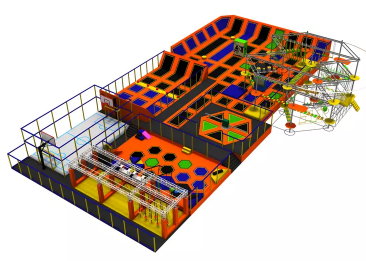
A commercial trampoline park experiences much heavier use than home trampoline equipment. Every day, children, teenagers, and adults jump repeatedly, move across padded surfaces, climb obstacle structures, enter foam pits, and use interactive features. This constant activity leads to wear over time, even when the equipment is high quality.
Good maintenance matters for several reasons.
The first and most important purpose of maintenance is safety. A loose spring, torn jumping mat, damaged pad, unstable frame connection, or worn net can increase the risk of injury. Regular inspections help identify problems before they become serious.
Commercial trampoline systems are a major investment. Proper care helps mats, padding, steel structures, and accessory components last longer. Preventive maintenance is usually much less expensive than emergency repair or full replacement.
Customers notice cleanliness and condition immediately. A fresh, clean, and well-organized trampoline park feels more professional and trustworthy. Parents especially pay attention to visible safety and hygiene.
Small issues can become expensive when ignored. Replacing one worn pad is easier and cheaper than dealing with a larger damaged section caused by neglect.
A clean and safe trampoline park encourages repeat visits, positive reviews, and better word-of-mouth. In the entertainment industry, reputation directly affects long-term business success.
A trampoline park includes much more than just trampoline beds. Each section requires a different type of care and inspection.
Jumping mats are among the most heavily used components in the park. They absorb repeated impact and need frequent checking for:
fraying edges
loose stitching
uneven tension
tears or cuts
discoloration from wear
Even small signs of damage should be taken seriously because they can worsen quickly under commercial use.
Depending on the design of the trampoline park, the jump system may use springs or other tension components. These should be checked for:
stretching
rust
broken coils
loose attachments
imbalance between sections
Any damaged or weakened spring element can affect bounce consistency and user safety.
Protective pads cover the steel frame, spring area, and surrounding impact zones. Good padding is essential because it reduces direct contact with hard structural parts. Padding should be checked for:
cracks
tearing
flattening
loose fastening
exposed inner material
water or dirt buildup
The steel structure forms the foundation of the trampoline park. It must remain stable and secure. Operators should look for:
loose bolts
weakened welds
corrosion
movement at connection points
bent sections
instability around support legs or anchors
If the park includes enclosed trampoline zones, climbing areas, toddler sections, or obstacle zones, netting and barriers are very important. They should be checked for:
holes
stretched mesh
loose anchor points
broken zippers or latches
weak frame attachment
These high-activity attractions need both safety and hygiene attention. Foam pits should be checked for:
foam block damage
compression over time
dirt accumulation
moisture
foreign objects hidden inside
unstable surrounding pads
Airbags should be checked for proper inflation, material wear, and surface cleanliness.
Customers move constantly between attractions. Walkways, stairs, ramps, anti-slip flooring, and entry areas should remain clean, dry, and free of hazards.
A modern trampoline park may also include climbing walls, ninja courses, basketball zones, slides, spider towers, soft play units, and interactive equipment. These all need their own regular maintenance checks based on frequency of use.
Daily care is the foundation of a safe and professional trampoline park. These tasks should be performed before opening, during operation, and after closing.
Before customers enter, staff should walk through the entire park and check all equipment visually. This includes trampoline beds, pads, nets, walkways, entrances, and activity zones.
The goal is to identify any obvious problems such as torn materials, loose parts, misplaced pads, wet surfaces, or broken accessories. Even a short daily inspection can prevent major problems.
All visible surfaces should be cleaned every day. This includes:
trampoline pads
handrails
seating areas
reception counters
lockers
tables
safety barriers
soft play surfaces
A trampoline park that looks dusty or dirty can immediately reduce customer confidence.
Staff should inspect the foam pit top layer and surrounding area daily. Items such as socks, toys, loose objects, broken foam, or trash should be removed.
Maintenance is not limited to attraction equipment. Clean restrooms, changing areas, cafés, and party rooms are also part of the customer experience and should be maintained daily.
Maintenance is not only a before-and-after task. Staff should continue observing the trampoline park throughout the day. If a pad moves out of place, a net loosens, or a surface becomes wet, immediate action should be taken.
At closing time, staff should perform another walk-through. This helps identify wear caused during the day and prepares the venue for repair planning before the next opening.
In addition to daily care, weekly maintenance should include deeper checks that go beyond surface-level observation.
Check stitching, corners, and attachment points more carefully. Areas that look slightly worn during daily checks should be examined closely.
Weekly checks should include the mechanical parts beneath or around the trampoline system. Loose attachments, minor rust, or uneven tension can often be spotted more clearly during a closer inspection.
Over time, repeated jumping and cleaning can cause padding to shift. Staff should confirm that all pads are properly secured and cover the intended areas completely.
Netting should remain tight enough to work properly. Weekly inspections help detect areas that are beginning to sag or weaken.
A trampoline park includes many touch points such as railings, handles, counters, lockers, and seating. Weekly deep cleaning improves hygiene and customer comfort.
Safety signs should remain visible, clean, and easy to read. Damaged or missing signs should be replaced promptly.
Monthly maintenance should be more technical and systematic. This is the time to review structural performance and long-term wear.
Check bolts, nuts, anchor points, welded joints, and support structures carefully. A commercial trampoline park must maintain structural stability under repeated use.
Operators should maintain a record of components showing wear. Monthly reviews can help identify which parts are likely to need replacement soon.
Foam pits should be opened and checked internally for hidden dirt, damaged foam cubes, or lost objects. This task is especially important in busy venues.
If the park uses airbags instead of foam pits, test inflation consistency, pressure levels, and outer material condition.
Customers judge the condition of a trampoline park not only by equipment but also by the total environment. Monthly checks should include lighting, ventilation, air conditioning, and sound systems.
A professional operator should not rely on memory. Monthly reviews of maintenance logs help identify recurring problems and improve preventive care.
Every few months, the trampoline park should undergo a broader review. This is especially important in regions with humid weather, temperature changes, or heavy seasonal traffic.
Seasonal maintenance should include a more complete check of all major frame systems, support points, and overall attraction condition.
Commercial materials age differently depending on climate, cleaning chemicals, customer volume, and sunlight exposure. Operators should evaluate whether any materials are becoming brittle, faded, or less effective.
Maintenance is not only about damage. It is also about performance. Seasonal reviews can help operators identify overcrowded zones, areas with repeated wear, and features that may need operational adjustment.
For larger or busier venues, it can be beneficial to arrange periodic inspection by experienced technicians or the original equipment supplier.
Cleanliness plays a major role in the success of a trampoline park, especially because families and children are highly sensitive to hygiene conditions.
Cleaning chemicals should be effective but not damaging to trampoline materials, padding surfaces, or soft play components. Harsh chemicals can shorten material life if used incorrectly.
Too much moisture can damage some materials or create slipping hazards. Cleaning staff should use controlled methods suitable for commercial play equipment.
Areas most frequently touched by hands or body contact should receive the most attention. This includes handrails, foam blocks, counters, seating, and shared activity equipment.
A clean trampoline park is not only visually clean. Good ventilation reduces odors, improves comfort, and supports a healthier environment.
Peak-time usage can create fast dirt buildup. Parks that remain fresh throughout the day create a stronger impression than those cleaned only once.
Even the best maintenance plan will fail if staff are not trained properly. Every trampoline park should ensure that team members understand how to inspect, report, and respond to maintenance needs.
Staff should know how to recognize:
torn pads
loose netting
uneven mat tension
wet floors
exposed steel
broken signage
damaged foam blocks
If staff notice a problem, they need a simple process for reporting it immediately. Delays in communication often turn minor issues into major ones.
Staff should understand how to move pads correctly, clean surfaces safely, and avoid accidental damage during daily operations.
A maintenance plan works better when specific people are responsible for specific inspection zones or routines.
A serious trampoline park should maintain written or digital maintenance records. This helps operators stay organized and prove that safety care is taken seriously.
Maintenance records can include:
daily inspection checklists
weekly deep inspection notes
part replacement history
cleaning schedules
issue reports
repair dates
staff signatures
supplier communication records
Over time, this information becomes very useful. It helps operators identify repeated weaknesses, improve budgeting, and prepare for audits or compliance reviews.
Even a well-run venue can face recurring maintenance issues. Knowing the most common ones helps operators respond faster.
Padding often shows wear early because of constant body contact and shoe friction. It may crack, flatten, or shift out of place.
Frequent jumping and vibration can loosen connectors, fasteners, and structural joints over time.
Foam pits can collect dirt, sweat, socks, and hidden objects. If neglected, they may become both unhygienic and unsafe.
Netting may stretch or tear due to repeated contact, improper use, or tension imbalance.
Heavy use, sunlight, dust, and cleaning chemicals can change the appearance of pads and surfaces. While not always a direct safety risk, poor appearance affects customer trust.
One of the biggest problems in a trampoline park is ignoring small issues because they do not seem urgent. Small wear nearly always becomes larger damage if not addressed early.
Maintenance is not only about fixing damage. It is also about reducing how quickly damage happens.
Clear rules can reduce unnecessary wear. For example, restricting food and drinks in play areas, requiring proper socks, and preventing rough misuse all help protect equipment.
When age groups are mixed poorly, larger users create stronger impact and faster wear in areas intended for smaller children.
If possible, staff can balance traffic during peak periods so that no single area receives excessive concentrated use every day.
Quick response prevents chain damage. A slightly loose pad today can become a larger torn section tomorrow.
When replacing parts in a trampoline park, compatible commercial-grade components should always be used. Poor replacement quality creates future maintenance problems.
Operators sometimes struggle with the decision between repair and replacement. In general, repair is suitable when the damage is limited and does not reduce overall safety or performance. Replacement is often the better choice when:
the material is significantly worn
structural reliability is reduced
repeated repairs keep happening
the part affects customer safety directly
appearance has become too poor for professional use
A trampoline park should never continue using visibly compromised safety components just to delay cost.
Many operators think of maintenance as a cost, but in reality it is a business investment. A well-maintained trampoline park supports stronger business results in several ways.
Families are more likely to return when the environment feels safe, fresh, and professionally managed.
Customers often mention cleanliness and safety in reviews. These comments strongly influence future visitors.
Preventive maintenance reduces unexpected downtime, allowing smoother operations and better revenue continuity.
Small scheduled maintenance costs are usually far lower than major damage replacement or injury-related expenses.
A clean and well-maintained trampoline park reflects quality, responsibility, and customer care.
Many maintenance problems come not from lack of effort, but from poor systems. Here are some common mistakes operators should avoid.
Reactive maintenance is much more expensive and risky than preventive maintenance.
Cosmetic wear may seem minor, but visible deterioration reduces customer confidence and often signals deeper neglect.
Without staff awareness, issues can go unnoticed for too long.
Improper chemicals or excessive water can damage materials.
Without records, maintenance becomes inconsistent and difficult to manage.
Low-quality replacement components may fail faster and create additional risk.
The most successful operators understand that care is part of company culture. A trampoline park should not only have a checklist. It should have a mindset. Every team member, from cleaning staff to supervisors to managers, should understand that maintenance protects guests and supports business success.
When maintenance becomes part of daily culture, the entire venue improves. Staff notice problems faster. Repairs happen sooner. Customers feel more comfortable. The environment stays cleaner. The equipment lasts longer. The business becomes more stable.
To care for and maintain a trampoline park properly, operators need a combination of daily attention, weekly inspection, monthly review, seasonal maintenance, staff training, and clear record keeping. Trampoline mats, springs, padding, steel frames, nets, foam pits, walkways, and support areas all require regular care. Good maintenance reduces risks, improves customer satisfaction, protects equipment lifespan, and supports stronger business performance over time. Instead of waiting for visible failure, smart operators use preventive care to keep the park safe, clean, and attractive every day.
For investors and operators who want long-lasting, easy-to-maintain, and professionally designed playground and trampoline park equipment, choosing an experienced manufacturer is equally important. MICH Playground has been specializing in indoor playground equipment, trampoline park design, manufacturing, and installation since 2009. With a strong engineering team, reliable production capacity, export experience in more than 100 countries and regions, and customized support for different project needs, MICH Playground helps clients build safer, more durable, and more successful entertainment spaces for long-term operation.
A trampoline park should be checked daily before opening, monitored during operation, and reviewed again after closing. Weekly, monthly, and seasonal inspections should also be part of the maintenance system.
Safety-related components are the most important, especially trampoline mats, padding, springs, frame stability, and protective netting. These directly affect customer protection.
Staff should clean continuously throughout the day, especially high-contact areas, walkways, restrooms, and shared equipment zones. Good scheduling and clear staff responsibility help a lot.
It depends on the severity of the damage. Minor issues may be repaired, but heavily worn or safety-critical parts should be replaced quickly to avoid bigger risks.
Proper maintenance improves safety, extends equipment life, reduces repair costs, protects brand image, and increases customer trust and repeat visits.