- All
- Product Name
- Product Keyword
- Product Model
- Product Summary
- Product Description
- Multi Field Search

Views: 4 Author: Site Editor Publish Time: 2026-02-12 Origin: Site
You can clean an outdoor playground by removing dirt, washing surfaces, and making sure everything stays safe for kids. Regular cleaning helps prevent germs and keeps everyone healthy. When you take care of the equipment, you protect children from slips, splinters, and other hazards. You do not need special tools or harsh chemicals. Simple steps make a big difference.
Cleaning playgrounds often stops germs from spreading and helps kids stay healthy.
Use gentle cleaning products to keep the playground equipment safe and protect children.
Check the playground often to find and fix small problems before they get worse.
Ask people in the community to help keep the playground clean and safe for all.
Make a cleaning schedule to keep the playground fun and nice for kids to play.
Kids need a safe place to play. Cleaning the playground removes germs and bacteria that can make kids sick. The University of Arizona found playground equipment often has bacteria. Kids touch these surfaces and then touch their faces. This spreads germs fast. There are other dangers too. Kids can get parasites and pathogens because their immune systems are not fully grown. Germs can get into the body through hands touching mouths, noses, or eyes.
Cleaning often stops germs and bacteria from spreading.
You lower the chance of injuries from trash.
A clean playground makes playing more fun.
Sandpits can have parasite eggs like Toxocara. Harmful fungi can also grow there. Some playgrounds use wood treated with chemicals like chromated copper arsenate, which has arsenic. Washing hands and changing clothes after playing helps keep kids safe. Keeping the playground clean lowers the risk of colds, flu, and serious infections.
Cleaning helps protect health and keeps equipment strong. Dirt and trash can pile up and damage surfaces over time. Rubber can lose its shock-absorbing power if dirt breaks it down. You might see loose rubber pieces, which make the ground less safe.
Timber can crack from changes in weather and moisture.
Splinters can show up and cause injuries.
Metal parts can rust and get weak.
Mold and mildew can grow and cause problems.
Faded or worn surfaces can get slippery and unsafe.
Cleaning and checking the playground often helps you find problems early. You can fix small things before they get worse. This keeps the playground safe and fun for everyone.
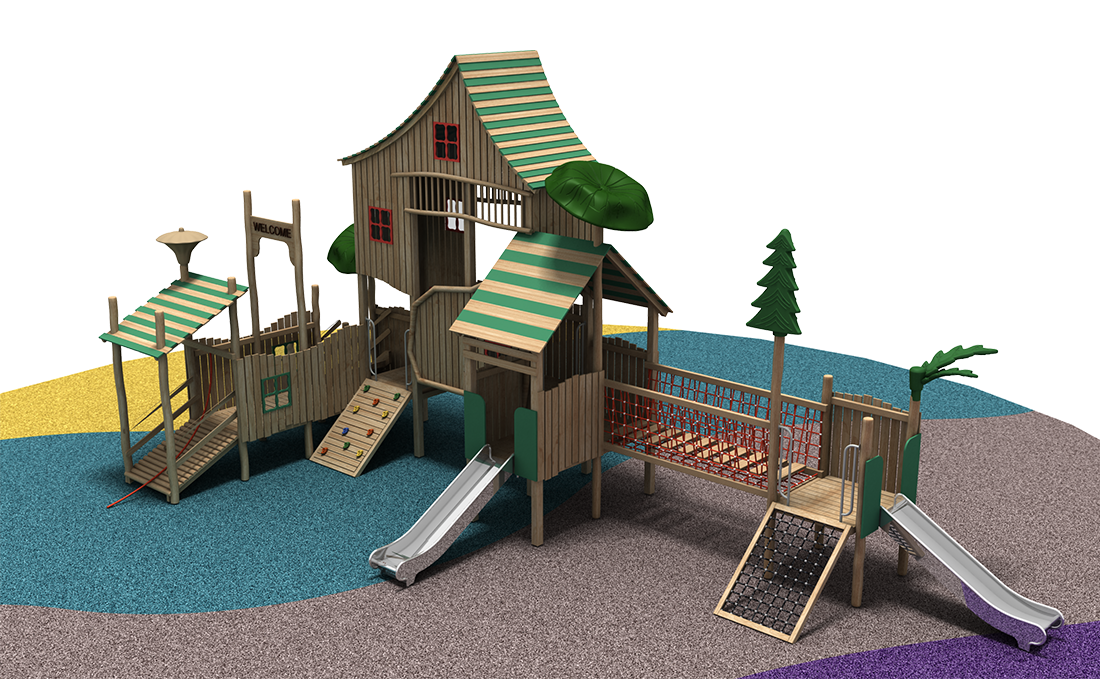
Plastic equipment is common in many outdoor playgrounds. You can clean these surfaces easily with safe products and simple tools. Follow these steps:
Mix warm water with a mild dish liquid or a nontoxic cleaner. Wear latex gloves to protect your hands.
Use a sponge or a soft-bristled brush to scrub all surfaces. Focus on areas with stuck-on grime. Change the soapy water if it gets dirty.
Rinse the equipment with clean water. Make sure you remove all soap and dirt.
Let the equipment air-dry before kids use it.
Tip: Choose cleaners like Peroxigard™ for plastic surfaces. These products clean, deodorize, and disinfect in one step. They are safe and used in medical settings.
You should avoid harsh chemicals. They can damage plastic and leave harmful residues. Always rinse and dry surfaces well.
Metal structures need regular cleaning to stay safe and strong. You can remove rust and grime with these steps:
Apply a rust remover to rust spots. Let it sit for a few minutes.
Scrub the area with a soft-bristled brush. Rinse thoroughly with water.
If rust is severe, clean it off and repaint with matching paint. This keeps the metal strong and prevents injuries.
Inspect for rust and paint damage often. Remove mold or mildew right away.
Note: Use tested cleaners and disinfectants that are safe for playground surfaces. Follow CDC guidelines to keep warranties valid.
Avoid abrasive tools and harsh chemicals. They can scratch or weaken metal. Always rinse and dry metal parts after cleaning.
Wooden surfaces need special care in an outdoor playground. You can keep wood safe and clean by following these practices:
Remove leaves, trash, and foreign objects every day.
Address mold or mildew as soon as you see it. Use Wet & Forget with a hose-end nozzle for tough spots. Saturate the wood, let it dry for at least 5 hours, then rinse the next day. Repeat once a year or when you see new growth.
Redistribute wood chips regularly. This keeps the ground even and safe.
Clean wood with commercial-grade disinfectants designed for playgrounds. You can use bleach solutions or hydrogen peroxide-based cleaners. Always follow the manufacturer's instructions.
Safety Alert: Wear gloves when using bleach or other strong cleaners. Rinse wood well and let it dry before kids play.
Avoid harsh chemicals that can damage wood or leave toxic residues. Make sure wood surfaces are dry to prevent mold and splinters.
Rubber surfaces help cushion falls in an outdoor playground. You can clean these areas without causing damage:
Use a vacuum cleaner or broom to remove debris.
Prepare a cleaning cloth or sponge.
Mop the surface with a mild cleaning agent, such as a pH-neutral detergent. You can also use hot water with mild dish soap or white vinegar.
Wear protective gloves. Remove solid waste with a disposable bag or scooper.
Mix equal parts water and white vinegar. Apply the solution to the area and let it sit for 10-15 minutes.
Scrub gently, rinse with clean water, and let the surface air-dry.
Tip: Test cleaning products on a small area first. This helps you avoid discoloring the rubber.
If you see moss, mold, or algae, remove it quickly. Use commercial products like Kh7 or Dettol, or basic solutions like white distilled vinegar. A good cleaning plan prevents long-term damage.
You should avoid harsh chemicals and rough scrubbing. Always rinse and dry rubber surfaces to keep them safe and soft.
Material | Cleaning Method | Safety Tips |
|---|---|---|
Plastic | Mild soap, soft brush, rinse | Avoid harsh chemicals |
Metal | Rust remover, repaint, rinse | Inspect for damage |
Wood | Debris removal, Wet & Forget | Wear gloves, dry thoroughly |
Rubber | Vacuum, vinegar, mop, rinse | Test products, air dry |
You can keep your outdoor playground clean and safe by using the right methods for each material. Regular cleaning protects surfaces and helps kids play safely.
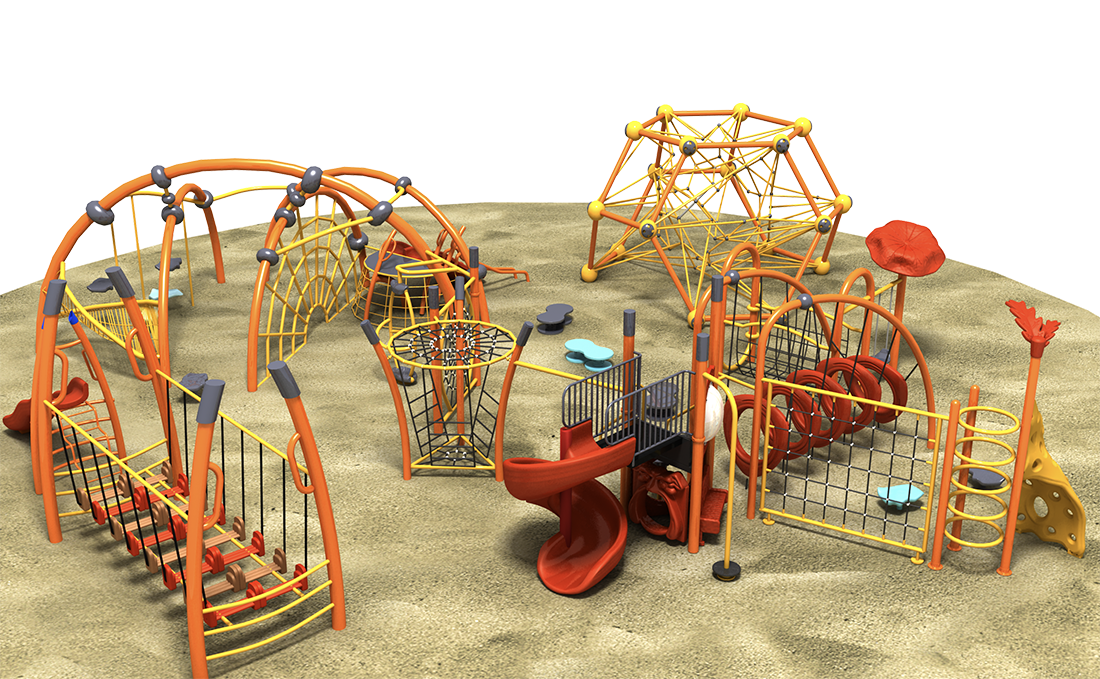
You should pick disinfectants that are safe for kids. Sodium hypochlorite is called bleach. It is a strong disinfectant. Health experts say bleach kills germs like bacteria and viruses. It also kills fungi and spores. You can use household bleach mixed with water on most surfaces. Alcohol-based disinfectants work well too. They need 60% to 70% alcohol. These are good for wood. Quaternary ammonium compounds are another choice.
Note: Do not use harsh chemicals. They can hurt kids or damage surfaces. Some chemicals, like phthalates and PAHs, can mess up hormones. They can also raise cancer risk. Lead from turf or rubber can cause brain problems in kids. Always use products marked safe for playgrounds.
Here is a simple guide for safe disinfectants:
Disinfectant Type | Preparation Instructions | Important Notes |
|---|---|---|
Diluted Household Bleach | 5 tbsp (1/3 cup) per gallon of water | Let sit for 1 minute, rinse, and air dry |
Alcohol-based Disinfectants | Use 60%-70% alcohol solution | Good for high-touch areas, safe for equipment |
Quaternary Ammonium | Follow label instructions | Use only as directed, rinse if needed |
You can keep the playground safe by following these steps:
Get gloves, masks, disinfectants, brushes, and buckets.
Wear gear to protect your skin and eyes.
Clean surfaces to remove dirt before disinfecting.
Put disinfectant on surfaces. Use the right mix. Let it sit for at least one minute.
Rinse surfaces with clean water. This gets rid of leftover chemicals.
Let everything dry in the air before kids play.
Keep cleaning products away from kids.
Never mix bleach with ammonia or other cleaners. This makes dangerous gases.
Make sure products are not expired.
Tip: Disinfect as often as you can. Some places do it every day or more, depending on how many kids use the playground.
You help keep kids healthy by using safe products and following these steps. Regular disinfection keeps the playground clean and fun for everyone.
You need to check the playground often. This keeps it safe and in good shape. Inspections help you find problems early. Look for rust, cracks, or ropes that are frayed. Make sure all equipment is anchored well. Check that nothing tips over. Look for sharp points or missing caps. Check for bolts that are loose. Look at moving parts and hardware. See if anything feels loose or worn.
Check the surfacing for damage. Refill sand or wood chips if needed.
Make sure rubber surfaces do not have cracks or holes.
Level out loose-fill surfacing to stop dips or uneven spots.
Put sealants on wooden structures to protect them from moisture.
Check drainage to avoid standing water and slippery spots.
Regular maintenance helps playground equipment last longer. Cleaning, tightening bolts, and quick repairs stop bigger problems. These steps keep kids safe.
You should inspect your playground every week or month. This depends on how many people use it. After storms or repairs, check again. Annual inspections help you find issues missed during routine checks.
A clean playground makes playtime safer and more fun. Put trash and recycling bins in busy spots. Good places are entrances and eating areas. Use signs to remind everyone to throw away trash. Empty bins often and pick up litter right away. This keeps the area neat and stops trash from piling up.
Strategy | Description |
|---|---|
Strategic Placement of Receptacles | Put bins where people walk most, like entrances and restrooms. |
Implement Proper Signage | Use signs to show where to throw trash and recycling. |
Raise Awareness | Teach visitors why keeping the playground clean matters. |
Prioritize Maintenance | Empty bins and pick up litter often to keep the area tidy. |
Ask parents and caregivers to report broken equipment. Organize volunteer clean-up days to get the community involved. When everyone helps, the playground stays clean and safe for all.
You can keep your outdoor playground safe and inviting by following a few simple steps. Clean equipment every three months, inspect for damage, and repair or replace worn parts. Make trash bins easy to find and teach children to help keep the area tidy. Regular cleaning reduces germs and supports healthy play. When you set up a routine, you create a space where kids can enjoy fresh air, exercise, and fun every day.
You should clean the playground every three months. If many children use it, clean it more often. After storms or heavy use, check and clean the equipment right away.
Use mild dish soap, white vinegar, or cleaners labeled safe for playgrounds. Avoid harsh chemicals. Always rinse surfaces well so no residue remains.
You can use a pressure washer on metal and plastic equipment. Use a low setting. Do not use it on wood or rubber. High pressure can damage these surfaces.
Mix equal parts water and white vinegar. Apply the solution to the moldy area. Let it sit for 10 minutes. Scrub gently and rinse with clean water.
Stop children from using the broken equipment. Mark the area with a sign or tape. Contact a repair professional or your maintenance team as soon as possible.