- All
- Product Name
- Product Keyword
- Product Model
- Product Summary
- Product Description
- Multi Field Search

Views: 1 Author: Site Editor Publish Time: 2026-02-19 Origin: Site
You may ask if an indoor soft playground is a good buy. The answer is yes, especially if you care about your child’s safety. It is also great if you want a fun and safe place for play. An indoor soft playground helps you feel calm because it uses safe materials. It also keeps kids moving and active. You get your money’s worth since you can use it in any weather. Things like a ball pit, playhouse, and slides keep kids interested. Every indoor soft playground has some downsides, but you can think about these compared to the many good things.
Indoor soft playgrounds are safe and fun for kids. They help kids move and play with others. Kids learn to be active and make friends.
Think about costs before you build an indoor playground. You need money for cleaning and fixing things. Safety checks are important for success.
Indoor playgrounds let kids play all year. Kids can play even when it rains or snows. This keeps them busy and happy.
Safety and cleanliness matter most in indoor playgrounds. Inspections and cleaning protect kids. Parents feel calm when playgrounds are clean.
Look at your space and your kids’ ages before buying a playground. Make sure the playground fits your needs. Pick activities for all age groups.
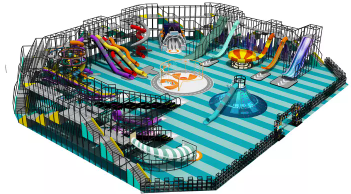
Think about the first costs when planning an indoor playground. The price changes based on size and features. Small playgrounds cost less money. Bigger playgrounds cost more. Here is a table showing average costs for different playground types:
Playground Type | Cost Range |
|---|---|
Small, Basic Playground | $5,000 - $20,000 |
Medium Playground | $20,000 - $75,000 |
Large, Custom Playground | Over $100,000 |
Most owners pay about $35,000 for a medium playground. You pay for design, equipment, and setup. Custom playgrounds cost even more. You also buy soft mats, slides, ball pits, and climbing walls. These features help keep kids safe and make play fun.
After building your indoor playground, you must keep it clean and safe. You pay for cleaning, repairs, and regular checks. Here is a table showing common ongoing expenses:
Expense Type | Description | Cost |
|---|---|---|
Fixed Costs | Insurance, maintenance, utilities, rent | N/A |
Variable Costs | Cleaning and repairs | N/A |
Routine Upkeep | HVAC filter changes, minor repairs | $750/month |
Inspections | Safety checks, equipment servicing | N/A |
Preventive Maintenance | Regular checks to avoid emergency repairs | N/A |
You can save money by using one vendor for services. Schedule preventive checks every few months. Track repairs closely to stop big problems. Regular inspections keep the playground safe and lower costs. Checking for issues and testing equipment protects your business from risks.
You want to know if an indoor playground is a smart investment. Break down the first costs and plan for upkeep. You also need insurance for your playground business. Over time, you see returns in many ways. If you run a commercial playground, you attract more families. Kids love special play spaces, and parents care about safety. This brings more visitors and improves customer experience. You can earn more money and build a successful indoor play center.
Here are steps to help you understand savings and returns:
Break down first costs for design, equipment, and setup.
Budget for cleaning and safety checks.
Include insurance costs.
Show how more visitors and happy customers boost earnings.
Share your plan with key decision makers.
The global family entertainment center market is growing fast. It will reach $56.24 billion by 2029. People want unique experiences, which helps indoor playgrounds grow. Profit depends on your business model, costs, and location. Good planning helps you get better returns and build a successful indoor play space.
You may wonder if other play options are better. Outdoor playgrounds and mobile play units are popular choices. Each has its own costs and benefits. Here is a table comparing indoor playgrounds with other options:
Play Solution | Ongoing Expenses Description |
|---|---|
Indoor Soft Playgrounds | Higher due to regular maintenance and safety requirements. |
Outdoor Playgrounds | Variable maintenance needs based on location and weather conditions, generally lower costs. |
Mobile Play Units | Minimal maintenance, making them a more economical option depending on usage. |
You can also look at mobile play units and outdoor adventure parks:
Comparison Aspect | Mobile Play Units | Outdoor Adventure Parks |
|---|---|---|
Performance | Moderate engagement | High engagement |
Cost | Lower setup cost | Variable costs |
Ease of Implementation | Quick setup | Longer planning and construction |
Maintenance | Minimal maintenance | Ongoing maintenance |
Best Use Case | Temporary events | Regions with favorable climates |
Outdoor playgrounds work best in good weather. Mobile play units are great for temporary events or places without permanent playgrounds. Indoor playgrounds offer steady play and safety. Kids can play no matter the weather. You control the environment, so kids stay safe and happy.
Tip: Pick the play solution that fits your needs, budget, and space. Indoor playgrounds give you flexibility and fun all year.
You want your kids to play safely. Indoor playgrounds follow strict safety rules. These rules protect children from harm. Facilities must meet standards for risk checks and equipment. They also cover liability if something goes wrong. Here is a table with important rules in the United States and Europe:
Regulation/Standard | Description |
|---|---|
Management of Health and Safety at Work Regulations (1999) | Needs risk checks and safety plans for facilities. |
Personal Protective Equipment at Work Regulations (1992) | Deals with gear used by maintenance workers. |
Occupier's Liability Act (1957, Revised 1984) | Makes sure users, especially kids, are safe. |
Consumer Protection Act (1987) | Holds makers responsible for broken products. |
Children Act (1989) | Needs safe playgrounds for registered places. |
BS EN 1176-10:2023 | Covers fully-enclosed play equipment, like indoor soft play. |
Indoor playgrounds use padded floors and watched entry points. These features make the space safer for kids. They help lower the chance of injuries.
Clean spaces are important for kids’ health. Indoor playgrounds clean every day to stop germs. Staff wipe and sanitize surfaces daily. They clean right away if they see dirt. If there is an accident with body fluids, staff close the area and clean it fast.
You can use these hygiene tips to keep kids safe:
Use hand sanitizer often when entering the playground.
Teach kids to cough or sneeze into their elbow.
Clean surfaces with soapy water before sanitizing.
Use hand sanitizer if soap and water are not there.
Tip: Remind kids to wash their hands after playing and before eating. This easy step helps stop sickness.
You want to feel sure your kids are safe. Indoor playgrounds give a secure space. Watched entry and exit points help you keep track of your kids. Padded floors lower injury risks. Strict cleaning rules help you feel calm. Many parents check how clean and safe the play area is before letting kids play.
Indoor playgrounds give a better experience than outdoor spaces. The controlled space keeps kids safe and healthy. You can relax while your kids have fun.

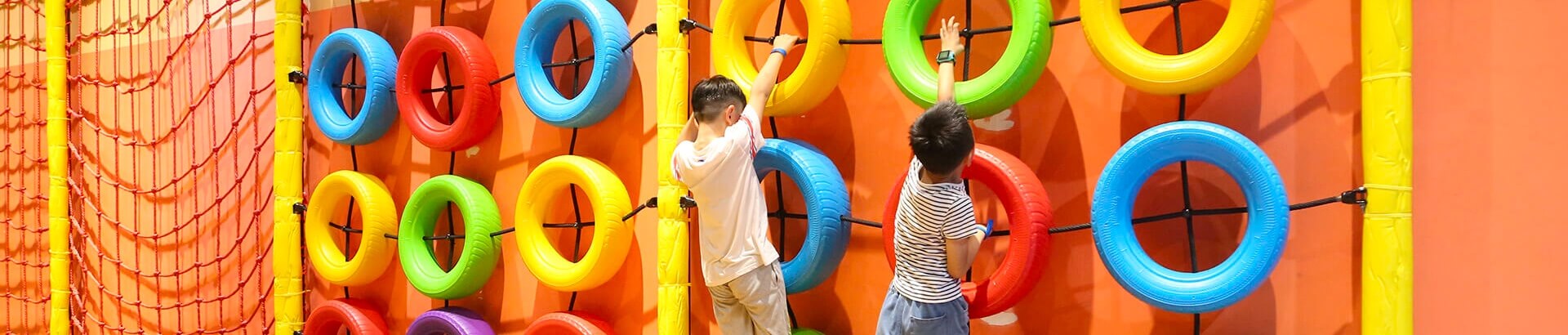
Indoor playgrounds help kids grow strong and healthy. Kids can climb walls, use slides, and try obstacle courses. These activities build strength, balance, and coordination. Only 24% of kids get enough exercise each day, says the CDC. Indoor playgrounds give a safe place to move. Moving often helps kids focus, remember things, and behave better at school. Kids also sleep better after playing. Soft play zones make exercise fun and help kids explore.
Kids climb, jump, and crawl to get stronger.
Obstacle courses help kids balance and coordinate.
Active play helps kids sleep well and focus.
Indoor playgrounds teach kids how to work together. Kids learn to share, wait their turn, and talk to others. Sand and water tables help kids practice teamwork. Playing together helps kids understand feelings and care about others. Kids make friends and solve problems as a group. Indoor playgrounds give kids a safe place to try new things.
Kids learn to take turns and work as a team.
Play activities help kids talk and listen.
Group play teaches kids to care about others.
Indoor playgrounds help kids think and solve problems. Imaginative play spaces let kids plan and figure things out. Kids use thinking and language skills while playing. Interactive play helps kids remember and reason. Kids try new ideas in soft play zones. The table below shows what studies found:
Study Source | Findings |
|---|---|
American Journal of Play | Imaginative play helps kids solve problems and plan. |
Journal of Pediatrics | Interactive play builds empathy and teamwork. |
Early Childhood Education | Play-based learning grows thinking and language skills. |
Journal of Applied Developmental Psychology | Interactive play helps kids use complex sentences. |
PMC Article on Loose Parts Play | Play helps kids reason and solve problems in new ways. |
Indoor playgrounds help kids feel happy and confident. Kids show their feelings while playing. Children relax and have fun in a safe space. Indoor playgrounds offer sensory toys and themed areas. These features help kids with lots of energy or special needs. Sensory activities let kids explore touch, sight, sound, and movement. All kids feel welcome in these play spaces.
Sensory toys help kids use their senses.
Special areas let kids use up energy.
Themed spaces give kids places to explore.
You want a place where kids can play easily. Indoor playgrounds have ramps, clear signs, and wide paths. These things help kids and adults enjoy their time. There are benches for sitting and talking. Fences keep kids safe while they play. Ramps and special modules help kids in wheelchairs join in. The table below lists features that make indoor playgrounds simple to use:
Feature | Description |
|---|---|
Inclusive Design | Welcoming, safe, and accessible for all ages and abilities. |
Fencing | Defines activity area, provides comfort and safety. |
Signage | Clear signs help kids and adults understand surroundings. |
Shade | Protects kids from sun and heat. |
Seating | Benches and tables promote supervision and socialization. |
Pathways | Accessible movement for wheelchairs and caregivers. |
Wheelchair-accessible | Ramps and modules encourage equitable access and interactive play. |
You want a playground that stays clean and safe. Indoor playgrounds need cleaning every day and quick spill cleanups. Staff use supplies to keep germs away. Outdoor playgrounds need grass cutting, fixing benches, and bug control. Weather can damage outdoor playgrounds more. This means more repairs outside. Indoor playgrounds need money for cleaning and staff. You do not worry about weather damage as much.
Indoor playgrounds need daily cleaning and fast spill cleanup.
Outdoor playgrounds need grass care, bench fixing, and bug checks.
Indoor playgrounds avoid weather damage, saving time and money.
You want a playground close to your home. In cities, you travel less to reach indoor playgrounds. Cities have more places to play and meet others. In the country, families may drive up to two hours to get there. City neighborhoods are closer together and have more parks. Rural areas have bigger yards but fewer public playgrounds. The table below compares how easy it is to get to playgrounds:
Factor | Urban Areas | Rural Areas |
|---|---|---|
Neighborhood Design | More connected neighborhoods | Limited public spaces |
Housing Type | Less private outdoor space, higher demand | More home yards, less reliance on public spaces |
Accessibility to Parks | Close proximity to parks | Distance to parks less important |
Travel Time to Facilities | Shorter travel times | Longer travel times, up to 2 hours |
You want kids to play anytime, even in bad weather. Indoor playgrounds let kids play all year. Rain or snow does not stop the fun. You can plan regular play times for your family. Indoor playgrounds fit busy schedules. Kids stay active and have fun, which helps them grow.
Indoor playgrounds give year-round play for kids.
Kids play no matter what the weather is like.
Families enjoy flexible times and steady fun.
You need to think about space before you install an indoor playground. Many homes and businesses do not have enough room for large play structures. You must check the ceiling height and floor area. Kids need space to move and play safely. Parents also need places to sit and watch their children. Restrooms and eating areas add to the space you need.
Evaluate your available space for installing an indoor playground. Your ceiling must be high enough for the kids to toss a ball in the air without causing damage. You could also consider adding space for parents to sit, eat and use the restroom.
If your space is too small, the playground may feel crowded. This can make play less fun and less safe.
Indoor playgrounds can get loud. Kids laugh, shout, and run around. The sound bounces off walls and floors. You may find it hard to relax or talk with others. Some children feel stressed by loud noises. You can use soft mats and wall panels to lower the noise, but you cannot remove it completely. If you want a quiet space, an indoor playground may not be the best choice.
You must keep your indoor playground clean and safe every day. This takes time and effort. You need to check for broken parts and clean up spills. Staff must know how to spot problems and fix them fast. Here are some common challenges:
Regular inspections are necessary to identify potential issues before they escalate.
Daily checks for signs of wear and damage are crucial to maintain safety.
Staff training is essential to ensure all employees can recognize and report problems effectively.
If you skip these steps, kids could get hurt. Good maintenance keeps everyone safe, but it adds to your workload.
Indoor soft playgrounds work best for younger children. Older kids may find the activities too simple or boring. Some play structures are not safe for bigger children. The table below shows which age groups fit each type of play area and what limits exist for older children:
Age Group | Suitable Play Structures | Limitations for Older Children |
|---|---|---|
2 to 5 | Climbers, ladders, crawling spaces, smaller steps, independent play items like trike-paths | Activities may be too simple for older children |
5 to 12 | Rope climbing, complicated slides, horizontal bars, problem-solving activities | May not be safe or engaging for younger children |
If you have older children, you may need to look for other options. Always match the playground to your child’s age and interests.
You see many reasons why indoor soft playgrounds offer value. You get a safe space for your child. You help your child grow strong and confident. You enjoy easy access and year-round play. You notice some drawbacks, like space and noise. You weigh these points as parents. You decide if the benefits fit your needs. You find that most parents agree indoor playgrounds are worth it. You trust that parents want safety and fun. You choose what works best for your family.
Parents should always consider their space, budget, and their child’s age before making a decision.
Indoor play centers offer a safe, weather-proof space for kids. You find padded equipment and supervised areas. These centers help you keep children active all year. You do not worry about rain or heat.
You get a clean, secure place for kids to play. Indoor playgrounds let you control safety and hygiene. You see children develop social and physical skills. Many parents prefer these spaces for peace of mind.
You should look at space, age range, and safety features. Check for easy cleaning and strong equipment. Ask about supervision and accessibility. You want a playground that fits your budget and supports your goals.
You need to plan for daily cleaning and regular safety checks. Hire friendly staff who know child safety rules. Offer healthy snacks and clear play zones. You should listen to parent feedback and update your space often.
You improve your business by following expert advice. You keep your playground safe and clean. You build trust with families. You attract more visitors and grow your reputation in the community.