- All
- Product Name
- Product Keyword
- Product Model
- Product Summary
- Product Description
- Multi Field Search

Views: 2 Author: Site Editor Publish Time: 2026-02-12 Origin: Site

Safe and high-quality playgrounds help kids move more and lower childhood obesity. Good areas also help social and thinking skills grow. When you pick features that match your community, you make a place where everyone can do well.
Make safety a priority by following new rules and using approved equipment. This helps keep every child safe when they play.
Set up different play spaces for each age group. This lets kids play safely and learn skills that fit their age.
Add inclusive and sensory features. These let all kids play together and help them learn more.
Pick strong and eco-friendly materials. This makes the playground last longer and keeps it safe for nature.
Get the community to help with checks and cleaning. This builds trust and keeps the playground safe and tidy for everyone.
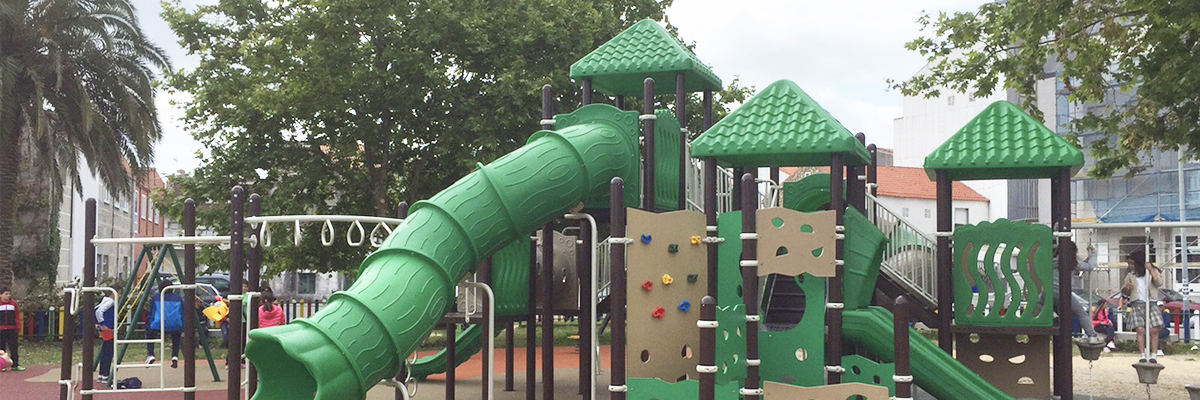
You have to use the newest safety standards for playgrounds. These rules help make play areas safer for kids. In 2026, the rules changed to protect children even more. The table below shows how some rules are different now:
Aspect | Previous Standard | 2026 Update |
|---|---|---|
Impact Attenuation | Measured at highest fall height | Measured at 12 impact points per equipment |
Entrapment Testing | Limited to ages 2-5 years | Expanded to include ages 6-23 months |
Protrusion Limits | 0.06 inches | Tightened to ≤0.04 inches |
Maintenance Documentation | Not required | Must provide a 15-year replacement schedule |
These new rules help keep all kids safe, even babies. Using these standards helps neurodiverse kids too. It can also lower behavior problems. A study in 2025 showed that better safety can cut behavior issues by 37%. Adults feel safer and stay longer at the playground. This can stop vandalism and make people like your neighborhood more.
Always pick certified equipment for your playground. Certified equipment follows tough safety rules. It is tested for strength and safe design. Using certified products means kids can play safely. They can climb and swing without extra danger. Certified equipment lasts longer and breaks less. This saves you time and money.
Every playground needs a plan for emergencies. Good emergency plans help people act fast if something bad happens. Here are some good tips:
Make clear emergency plans for different problems.
Train supervisors so they know what to do.
Give supervisors the right tools and phone numbers.
These steps help people respond faster and keep kids safe. Good planning makes families trust your playground.
You should make your playground with different zones for each age group. This helps keep kids safe and helps them grow. When you split play areas, kids use equipment that fits their skills.
Set up the playground by age or activity. This lowers the chance of injury and keeps play safe.
Pick equipment that matches each age group. Little kids need small slides and sensory panels. Older kids like harder structures.
Plan the space so adults can see all areas. Good views help adults watch kids.
Put equipment far enough apart to stop crowding and let kids move easily.
Preschool zones focus on sensory play and making friends. Grade school areas give more challenge and help older kids think better.
Flexible playground structures help many kids play. You can add things that help kids grow strong, smart, and social.
Climbing walls and slides make muscles stronger and improve movement.
Interactive panels help kids solve problems and think hard.
Swings for many kids and group games teach teamwork and talking.
Trying new things makes kids feel brave and strong.
For toddlers and preschoolers, use low platforms and panels with lots to touch. For school-age kids, add harder systems for exploring and working together. Mixing physical, sensory, and social play means every kid finds something fun.
When you make zones for each age, you give kids many ways to grow. Playgrounds help health by getting kids to move more. Markings and features can make kids more active and keep them moving.
Kids get more exercise, which is good for their health.
Imaginative play teaches life skills as kids make up games.
Teamwork grows when kids do group activities together.
You help kids learn to solve problems and think better. Social and emotional skills get better as kids face challenges and play with others. A playground with good zones gives every kid a place to do well.
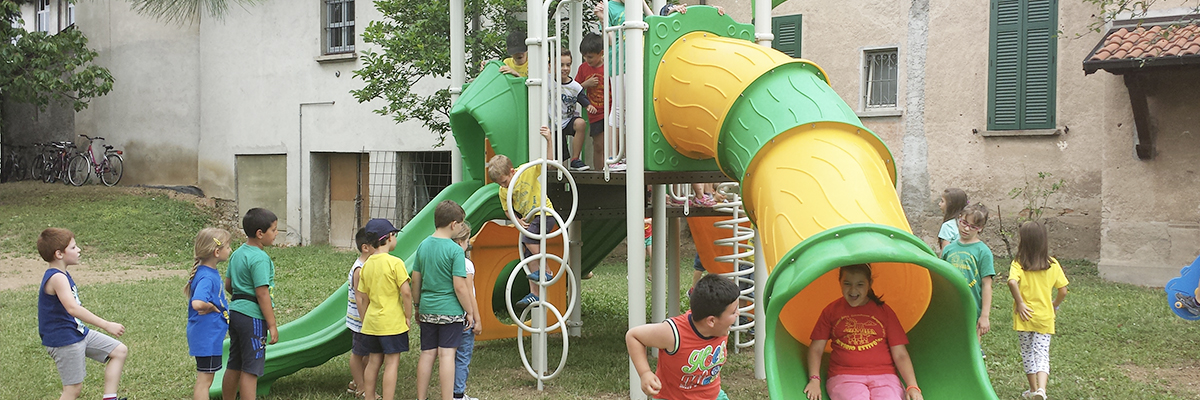
Your playground must follow ADA rules. These rules help all kids play, no matter their abilities. ADA standards make sure everyone can get in and play safely. They also say you need to check the playground often. The table below lists the main ADA rules for playgrounds in 2026:
Requirement | Description |
|---|---|
Accessible Routes | Must provide accessible paths to all play components and amenities. |
Play Components | At least one accessible entry for enclosed play structures. |
Site Features | Benches, fountains, and tables must be reachable by accessible routes. |
Maintenance | Regular inspections and updates keep the playground safe and compliant. |
Equivalent Facilitation | Creative designs can meet or exceed standards if documented properly. |
When you use these rules, more kids can play together. Families and caregivers can join in more easily too.
You can pick equipment that lets everyone join in. Inclusive equipment helps kids with different needs play together. Here are some examples:
Equipment Name | Features and Benefits |
|---|---|
Expression Swing | Face-to-face design; adaptive seat for support. |
Sensory Wave Climber Arch | Climbing for all abilities; sensory features; wheelchair transfers. |
RoxAll See Saw | High back seats; smooth rocking for vestibular input. |
Communication Panel | Supports alternate communication; helps kids express feelings. |
Inclusive Whirl | Wheelchair accessible; group play for all children. |
Sensory Spinning Seat | Neutral body position while spinning; affordable and versatile. |
GT Wave | Net climber with transfer platform; accessible zip slide. |
GT Splash | Compact; supports skill development and adventure. |
Aventus Tower | Modular design; accessible climbers for unique play. |
Ramps and adaptive swings help kids who have trouble moving.
Sensory play helps kids grow emotionally and control feelings.
Group games teach kids to work together and make friends.
Problem-solving parts let kids make choices and try new things.
Adding sensory features makes play better for all kids. These features help kids with sensory processing differences too.
Touchable things like bumpy stones and sand help fine motor skills.
Musical toys and echo tubes help kids listen and express themselves.
Bright colors and shiny panels catch eyes and help kids focus.
Swings and balance beams teach kids to move and control feelings.
Garden beds and natural things give calming smells and a quiet spot.
Tip: Playing music uses many senses and helps kids feel calm. Rhythms can lower stress and help kids feel better.
When you add these features, every child feels welcome and included.
You can help the planet by picking eco-friendly materials. These choices protect nature and keep kids safe.
Recycled rubber tiles and surfaces made from natural resins help cushion falls. They also lower harm to the environment.
Natural material surfaces let water soak in. This helps the water cycle and plants grow.
Rubber mulch, made from old tires, absorbs shocks well. It keeps waste out of landfills. Use good rubber mulch to stop chemicals from leaking.
Recycled plastics make strong playground equipment. They also cut down on landfill waste.
Wood alternatives, like eco-friendly composites, save trees. They also use fewer chemicals.
You want your playground to last through all kinds of weather. Weather-resistant materials help equipment stay strong and safe for a long time. Look at how different things affect playground life:
Factor | Impact on Longevity | Key Considerations |
|---|---|---|
Quality of Materials | High-quality metals and UV-stabilized plastics last longer | Galvanized steel resists rust; plastics prevent fading or cracking |
Weather and Climate Conditions | Harsh weather accelerates wear | Metal rusts, wood warps, plastics become brittle, and extreme temperatures cause cracks |
Good materials like galvanized steel, UV-stabilized plastics, and treated wood stand up to tough weather. These choices keep your playground looking nice and working well.
You can save time and money by picking materials that need little care. Low-maintenance options also keep your playground safe and clean.
Wood chips absorb impacts well if you keep them deep enough.
Engineered wood fiber (EWF) has even pieces for better safety. It is ADA accessible.
Shredded hardwood mulch lasts longer than softwood. It needs fewer replacements.
Artificial turf stays green and resists weather. It needs less care than real grass or mulch.
Steel equipment lasts 20–30 years or more. It needs little work because of its powder coating. In coastal areas, wood resists saltwater better than steel. For most places, steel works best for busy playgrounds.
Note: Picking strong, low-maintenance materials means your playground stays safe and fun for everyone, year after year.
Swings and slides are in almost every playground. These pieces are fun and help you grow strong. Swinging uses your arms and legs to move. This builds big muscles and helps you balance. Sliding works your upper body and lets you feel different speeds and textures.
Activity | Physical Development Benefits | Social Development Benefits |
|---|---|---|
Swinging | Helps balance, coordination, and body awareness | Teaches teamwork, like pushing friends on swings |
Sliding | Makes muscles stronger, uses senses, and builds endurance | Promotes group play and games, such as tag |
Swings and slides help you make new friends. You wait your turn or help someone else. These moments teach patience and kindness. Playing on swings and slides is good for your heart and makes you feel happy.
Climbers and riders make playgrounds more exciting. Climbing helps you solve problems and use your mind. You decide where to put your hands and feet. This builds memory and helps you think better. Climbing also makes your muscles stronger and helps you know where you are.
Climbing teaches you to work with others and trust friends.
You learn patience and focus as you move through the structure.
Riders, like spring animals or spinning seats, help you control your body and balance.
These activities boost your confidence and make you feel proud when you reach the top.
Climbers and riders turn play into a learning experience. You get smarter and stronger every time you play.
Sensory panels make playgrounds fun for everyone. These panels have moving parts, bright colors, and different textures. You can touch, spin, or listen to sounds. Sensory panels help you explore with your hands, eyes, and ears.
Sensory panels support kids of all abilities.
You build language, social, and emotional skills as you play.
Panels encourage you to try new things and use your imagination.
You can play alone or with friends, making the playground more inclusive.
Modern playgrounds use sensory-rich features. These help every child feel welcome and excited to play.
Picking the right surface materials keeps kids safe and healthy. You need a surface that cushions falls well. It should use safe ingredients. It must be easy to care for as time goes on.
Surfaces that absorb impacts help lower injury risk. The best materials protect kids if they fall. Look at the table to see how surfaces work:
Material | Impact Absorption Capability | Additional Notes |
|---|---|---|
Engineered Wood Fiber | Up to 12 feet | Economical choice |
Poured-in-Place Rubber | High durability | Good impact resistance |
Rubber Tiles | Durable | Effective for various fall heights |
Playground surfaces must meet the ASTM F1292 Standard. This standard checks if the surface keeps GMAX below 200g. It also keeps HIC under 1,000. These numbers help stop serious injuries and head trauma.
You want every child to play in a healthy space. Using non-toxic materials shows you care about children's health. Here are some important points:
Non-toxic surfaces keep harmful chemicals away from kids.
Safe materials lower injuries and allergic reactions.
Clean, chemical-free surfaces help kids play in a healthier place.
Tip: Always check that your surface is labeled non-toxic and tested for safety.
Choosing surfaces that are easy to care for saves time and money. Some materials need less work and last longer. Think about these options:
Pea Gravel: Cheap and needs only some raking. It can scatter and is not ADA compliant.
Wood Chips: Easy to put in and affordable. You must add more as they break down.
Rubber Mulch: Stays in place, needs little care, and meets ADA standards. It is a smart choice for busy playgrounds.
When you pick the right surface, your playground stays safer, cleaner, and easier to care for each year.
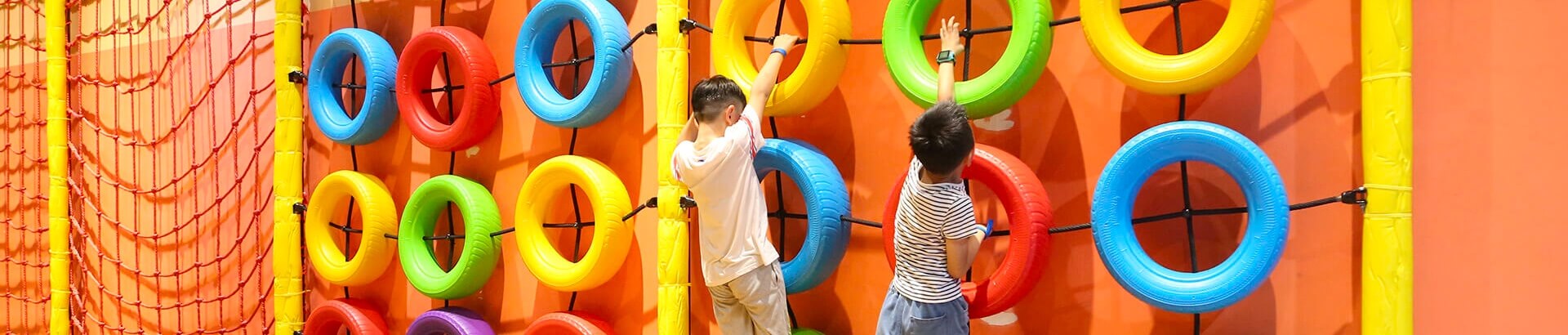
You can make playgrounds greener by using recycled materials. These choices help nature and teach kids to care for the earth. Many playgrounds use recycled plastic and wood from good sources. These materials cut down on waste and help the planet.
Material Type | Benefits |
|---|---|
Recycled Plastic | Uses less new plastic, which helps the environment. |
Sustainably Sourced Wood | Stops cutting down too many trees and saves resources. |
Use local materials like FSC-certified wood and native plants.
Try not to use too many synthetic parts.
Add homes for local plants and animals.
Pick eco-friendly surfaces like engineered wood fiber or natural grass.
Water and sand features let kids play and learn in many ways. These parts help kids use their senses and be creative. Kids dig, scoop, and pour to build strong muscles. Water and sand also help kids play alone or with friends.
Benefit | Description |
|---|---|
Fine Motor Skills | Squeezing and scooping sand makes fingers stronger. |
Gross Motor Skills | Digging and pouring builds bigger muscles. |
Independent Play | Kids play by themselves and feel more confident. |
Social Skills | Kids learn to share and work together in groups. |
Attention Span | Fun activities help kids focus for longer. |
Creativity | Open play helps kids use their imagination. |
Problem Solving | Mixing sand and water teaches kids to solve problems. |
Fantasy Play | Pretend play grows with water and sand. |
Science Concepts | Kids learn about solids and liquids by playing. |
Maths Concepts | Measuring and pouring helps kids understand math ideas. |
Shade and benches make playgrounds nicer for everyone. Shade keeps equipment cool and stops burns. Families get a place to sit and watch their kids play. Shade also helps equipment last longer by blocking sunlight.
Shade is not just extra—it is very important for playgrounds. It keeps kids safe, makes spaces more comfortable, and helps everyone enjoy the outdoors.
Benefit | Description |
|---|---|
Blocking the sun | Keeps things cooler and protects people from UV rays. |
Providing shelter from weather | Gives cover during rain or wind so play can go on. |
Lengthening equipment lifespan | Stops sun damage and keeps equipment safe for years. |
Shade stops overheating and lowers burn risks.
Benches help families stay longer and give adults a comfy spot.
Strong fences and security keep kids safe at playgrounds. Good fences have smooth surfaces to stop injuries. Pick fences that are tall and hard to climb. Tough materials last longer and handle bad weather. Clear views help adults watch kids easily.
Use fences at least 5 feet tall to keep kids safe.
Choose designs with few flat parts to stop climbing.
Pick materials that do not break easily.
Make sure fences let adults see kids for easy watching.
A safe playground helps families feel calm and lets kids play safely every day.
You keep your playground safe by checking it often. These checks help you find problems before someone gets hurt. Every month, measure the surfacing depth in many places. This helps stop bad injuries from falls. Use a mobile app to write down each check. Digital records are easy to track and show proof. Never leave hazards alone. Fix any dangerous things right away. Certified inspectors know what to look for and help you follow rules. You should also teach everyone who watches recess. Trained staff can see dangers and keep kids safe.
Here is a simple checklist for routine inspections:
Check surfacing depth every month in different spots.
Use a mobile app to save inspection results.
Fix any dangers right away.
Make sure a certified inspector checks the playground.
Teach all supervisors how to spot dangers.
Tip: Sticking to a good maintenance plan keeps equipment from breaking and keeps kids safe.
Your playground lasts longer when the community helps. Parents, teachers, and neighbors can find problems early. When everyone cares, you find things like loose bolts or cracks fast. Community members can help clean up or report problems. Their help keeps the playground safe and clean. You build trust when you listen and act quickly.
Ask families to report problems.
Plan regular clean-up days.
Share inspection results with everyone.
Good records show your playground is safe. Digital records are best because they are easy to store and find. Use a mobile app to log every check and repair. Keep a schedule for checking surfaces and replacing equipment. Plan your budget so you can fix things fast. Certified staff should update records after each check.
Record Type | Why It Matters |
|---|---|
Inspection Logs | Show you check safety often |
Repair Records | Prove you fix dangers right away |
Training Records | Show staff know safety steps |
Budget Plans | Help you plan for future repairs |
Note: Good records protect you from big costs and show you care about safety.
You can build a playground that lasts for years. Focus on safety, inclusivity, and new features. The table below can help you plan:
Key Takeaway | Description |
|---|---|
Durability | Pick designs that last a long time. |
Flexibility | Use modular parts so updates are simple. |
Safety Standards | Follow the newest ASTM and CPSC rules. |
Maintenance | Check and fix things often. |
Sustainability | Choose recycled materials to help nature. |
Shade Provision | Add shade to keep people cool and safe. |
Inclusivity | Make zones for all ages and abilities. |
First, look at your playground now. Ask experts or check local rules to make smart changes.
Pick poured-in-place rubber or engineered wood fiber. These surfaces absorb impacts well. They help stop injuries. Always check if the surface meets safety rules.
Add ramps, sensory panels, and adaptive swings. These features help all kids play together. Inclusive design lets everyone join in the fun.
Check playground equipment every month. Look for loose bolts, cracks, or worn spots. Quick checks help you find problems before someone gets hurt.
Shade keeps kids safe from sunburn. It also keeps equipment cool. Families can stay longer and play safely with shaded spots.
Galvanized steel and UV-stabilized plastics last many years. These materials resist rust, fading, and cracking. You spend less time and money fixing them.