- All
- Product Name
- Product Keyword
- Product Model
- Product Summary
- Product Description
- Multi Field Search

Views: 3 Author: Site Editor Publish Time: 2026-02-23 Origin: Site
You help your child when you let them play at the outdoor playground. Playing outdoors makes kids stronger and helps their minds. It also helps them make friends and learn to talk to others. Kids run, play, and use their imagination with friends at the outdoor playground. Research shows that being outside often lowers the chance of being overweight. It also helps kids build good habits. You teach your child to work with others and be creative. Outdoor play at the playground helps your child grow in every way.
Outdoor playgrounds help kids stay healthy. Kids move more when they play outside. This helps them stay fit and strong.
Playing outside helps kids learn social skills. Kids learn to share and take turns. They work together and make new friends.
Outdoor play helps kids be creative and solve problems. Kids use their imagination to make games. They explore the area around them.
Spending time outside helps mental health. Playing outdoors can lower stress. It helps kids feel happier and more focused.
Daily outdoor play builds good habits for life. Try to get 30 to 60 minutes of outdoor activity each day. This helps your child grow healthy and confident.
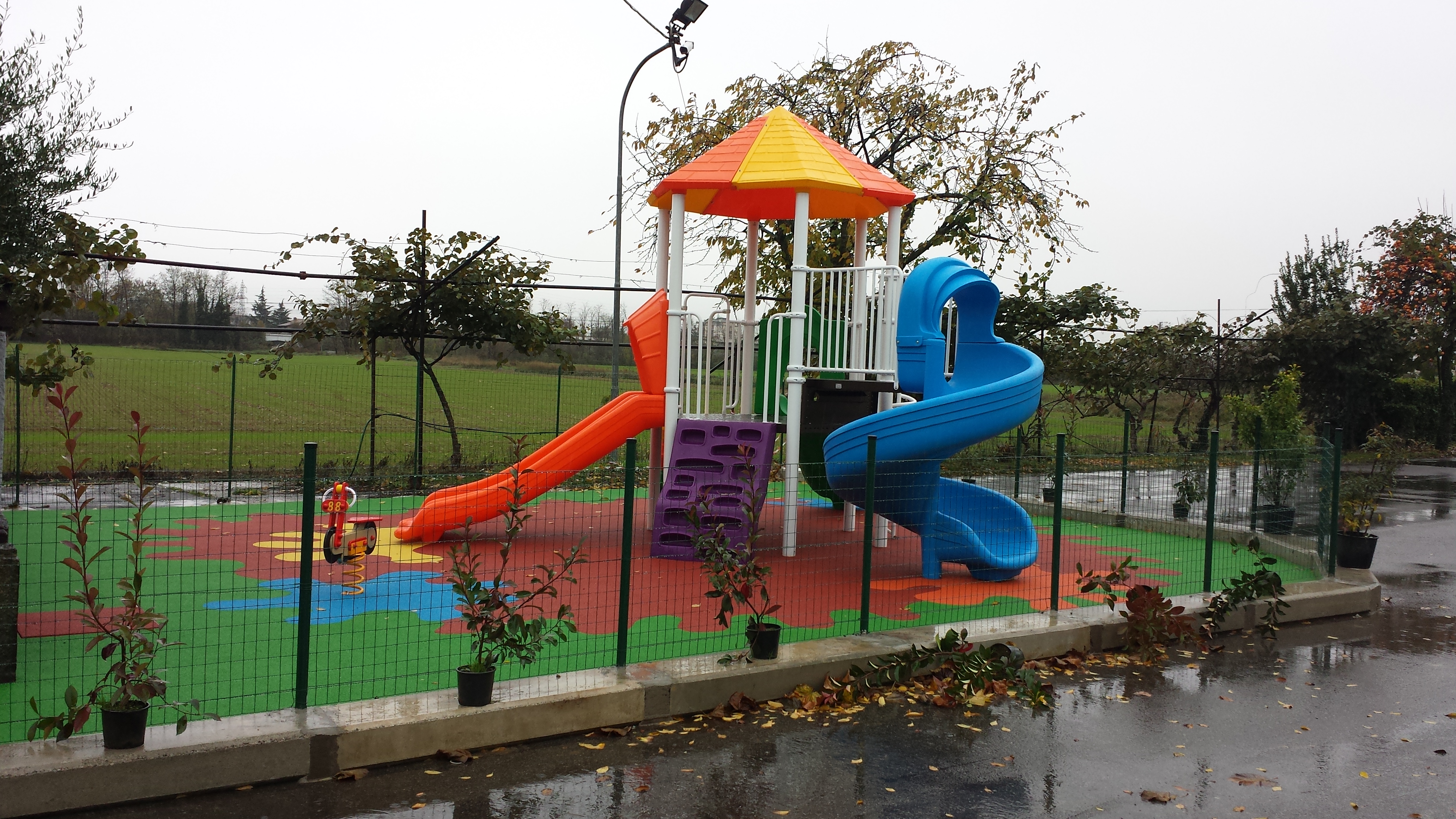
When you let your child play outside, you give them something special. Outdoor playgrounds have things that indoor places do not. Kids move their bodies in new ways. They look around and use their senses. The playground lets kids climb, run, and jump. This helps them get stronger and feel more sure of themselves.
Here are some special things you will see when your child plays outside:
Kids who play outside move more. This helps them stay healthy.
Playing often helps kids get better at moving their bodies.
Outdoor playgrounds let kids meet new friends. This helps them feel good and learn to talk to others.
Outdoor playgrounds do more than help kids move. The space makes kids think and solve problems. Kids make up games and build pretend worlds. They learn to work with others. The table below shows how outdoor playgrounds are different from other places to play:
Benefit Type | Description |
|---|---|
Physical Development | Climbing equipment helps kids learn to solve problems and know their bodies. |
Imaginative Play | Outdoor places help kids use their imagination and play freely. This makes them creative. |
Mental Health | Being outside can help kids feel less worried or sad. This is true for kids ages 7 to 12. |
Interactive Play | Natural playgrounds give kids fun places to explore and play with others. |
Stress Reduction | Playing outside can help kids feel less stressed and pay attention better. That is why recess matters. |
“Playing outside lets kids explore the world and their minds. It lets their imagination grow and uses all their senses. Every child can be creative and curious in this setting. This helps them grow and learn new things.”
Taking your child to the playground helps them grow in many ways. Outdoor play helps their body, mind, and feelings. It builds skills they will use forever.
Playing outside helps kids feel good about themselves and believe in their abilities.
Moving around helps kids get better at using their bodies and stay fit.
Play helps kids learn to talk, think, and solve problems.
Pretend play helps kids think in new ways and solve challenges.
Meeting other kids helps them learn to talk, work together, and care about others.
Good playgrounds help kids keep learning as they grow.
Kids who play outside learn more about themselves and others. They become more independent and confident. Outdoor playgrounds let kids handle their feelings, make choices, and plan their play. These things help kids learn to be responsible and respect others.
You will see that outdoor playgrounds help kids make real friends. Kids meet others from different places and learn to work together. They solve problems and follow rules. Pretend play lets kids make new worlds and turn ideas into real things.
When you support outdoor playground play, you help your child become healthy, confident, and creative.
When you let your child play at the outdoor playground, you help them get stronger and move better. Kids use their whole bodies when they run, climb, swing, and jump. These actions make big muscles work and help with balance. For example, climbing on monkey bars or walking on a balance beam helps your child get stronger arms and focus. Swings and spinners make kids use their balance and core muscles.
Here are some types of playground equipment and what they do:
Climbers: Help kids get stronger arms and move better.
Swings: Make leg muscles stronger and help with balance.
Slides: Help kids learn to balance and move as they climb and slide.
Monkey Bars: Make arms stronger and help with moving skills.
Balance Beams: Help kids balance and pay attention.
Spinners: Make core muscles stronger and help with balance.
Kids play harder outside than inside. Running, jumping, and climbing are fun and help kids get better at moving. Picking up small things or playing with sand and rocks helps kids use their hands and fingers. The table below shows how different activities help kids move better:
Skill Type | Activities Contributing to Development |
|---|---|
Gross Motor Skills | Running, jumping, climbing, balancing, riding bikes |
Fine Motor Skills | Picking up small objects, drawing with chalk, playing in sand |
Playing outside helps kids grow in many ways. When your child plays at the outdoor playground, they move more. This helps keep their weight healthy and lowers the chance of being overweight. Studies show that kids who go to parks and playgrounds move more and have lower BMI scores.
Playing outside helps kids move, which is important for getting stronger and moving better.
Sunlight helps the body make vitamin D, which is good for bones.
Running, skipping, and climbing make muscles stronger and help kids play longer.
Research shows that kids who play outside have better heart health and stronger bones. Safe outdoor spaces and good playground equipment help your child stay active and healthy.
When you let your child play outside, they become more confident. Kids try new things like climbing higher or balancing. They make choices and solve problems by themselves. This makes them feel proud and sure. Studies show that playing alone outside helps kids move more and sit less. Risky play, like climbing or jumping, helps kids bounce back and feel good about themselves.
Study Title | Findings |
|---|---|
Correlates of children's independent outdoor play | Kids who play outside alone move more and sit less. |
Healthy childhood development through outdoor risky play | Risky play helps kids feel better, bounce back, and focus more. |
Playgrounds are for children | Play helps kids learn skills, be independent, and feel less stressed. It also helps their minds grow. |
You can help your child by letting them explore and take safe risks. Teachers and caregivers watch kids play and only step in when needed. This helps kids learn to judge risks and rely on themselves.
Playing outside gives your child chances to work with others. The playground is where kids meet, talk, and play together. They learn to share, take turns, and solve problems as a group. Games like tag or soccer help kids practice teamwork and talking. These activities help them make friends and understand how others feel.
Kids practice working together and making deals.
They learn to solve fights and say what they need.
The playground is a place where kids build strong talking skills.
Kids learn to handle feelings and care about others.
You will see your child get better at making friends and working with others after playing outside often.
Playing outside helps your child feel better. Time outdoors can make them happier and less stressed. Moving around helps kids feel calm and focus. Sunlight and movement also help kids sleep well and be creative. Research shows that kids who play outside more have better mental health and control their feelings.
Benefit | Description |
|---|---|
Improved Mood | Being outside can help kids feel happier and less worried. |
Increased Physical Activity | Moving helps kids feel better and less stressed. Outdoor play makes kids move more. |
Better Focus and Calmness | Kids who play outside focus better and feel calm at school. |
Enhanced Social Skills | Outdoor play helps kids work together and make friends. |
Improved Sleep Quality | Sunlight and moving outside help kids sleep better. |
Boosted Creativity | Nature helps kids use their imagination and make up games. |
Increased Resilience and Confidence | Outdoor play teaches kids to solve problems and feel good about themselves. |
Studies show that kids who play outside have less stress and handle feelings better. You help your child feel happier and more balanced when you make outdoor play part of their life.
Outdoor play helps your child learn new things. The playground lets your child think and use their imagination. Kids make choices and work with others outside. This builds strong thinking skills.
Playing outside helps your child make friends and be creative.
Your child learns to solve problems and get along with others.
Nature-based play boosts creativity, focus, and self-control.
Time in nature can lower ADHD symptoms and help your child pay attention.
Studies show that outdoor time helps kids focus and do better in school. The table below shows how outdoor play helps children concentrate and improve grades:
Study | Findings |
|---|---|
Kuo & Taylor (2009) | Kids with ADHD focused better after 20 minutes in a park. |
Norwegian Study | More outdoor time led to less inattention and hyperactivity in young children. |
Plymouth University (2016) | Kids who camp outdoors at least once a year had better grades and well-being. |
Tip: Let your child play outside before homework. This can help them focus and remember more.
The playground gives your child many ways to use their senses. Swinging, climbing, and walking on logs help your child know where their body is. These activities teach your child how to move safely.
Swinging and climbing help your child balance and know their body.
Outdoor play helps your child handle different sounds, sights, and textures.
Nature gives many sensory experiences, which help kids with sensory challenges.
Walking on logs or rough surfaces builds balance and uses many senses.
Sensory-rich playgrounds help your child feel good, move better, and control feelings.
Sensory play helps your child learn to talk and make friends.
The table below shows how playground activities use your child's senses:
Sensory Input | Playground Activity Examples |
|---|---|
Visual | Bright colors and patterns on equipment |
Auditory | Sounds from swings, slides, and other children |
Tactile | Touching sand, grass, or textured surfaces |
Proprioceptive | Jumping, pushing, and pulling |
Vestibular | Swinging, spinning, and balancing |
Letting your child explore the playground helps them grow in many ways. Multi-sensory play makes your child feel calm, confident, and ready to learn.
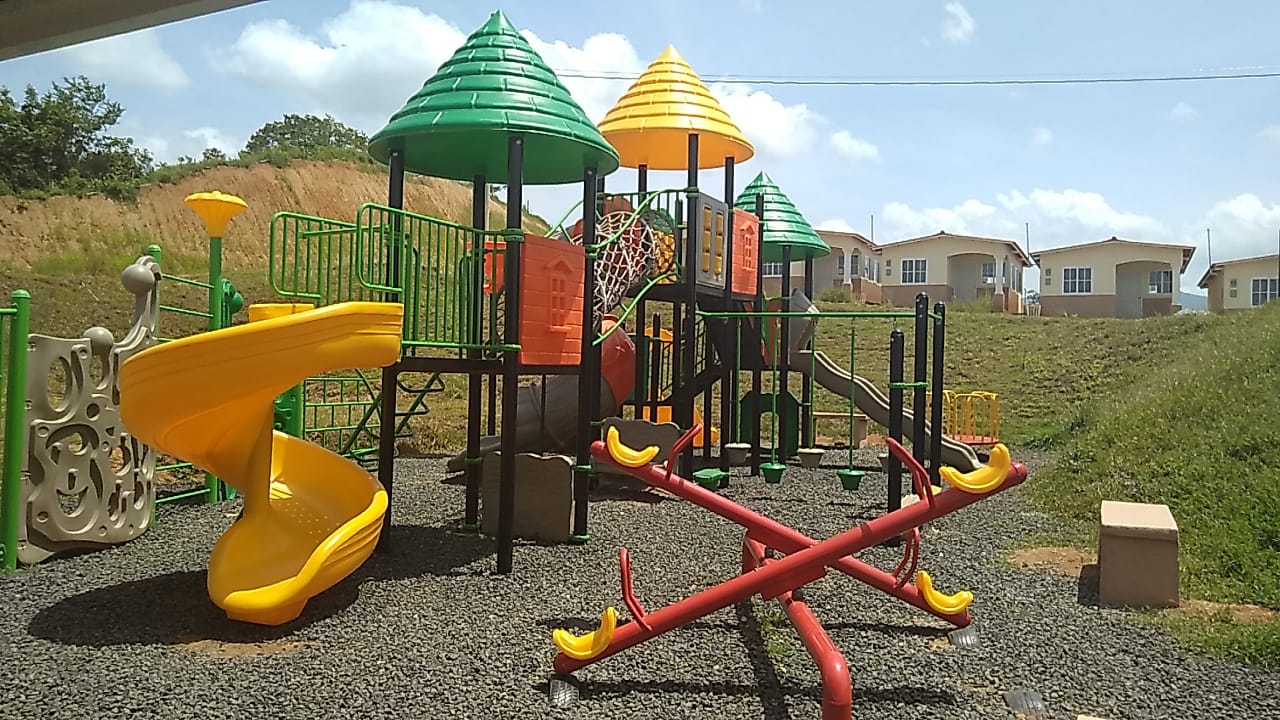
You can help kids of any age enjoy the outdoor playground. Pick activities and equipment that fit their needs. Each age group likes different things and needs special care. Here are ways to keep outdoor play safe and fun:
Toddlers (1-3 years):
Choose low platforms and small steps. These match their size and skills.
Use play tables for sand or water play. Sensory activities are good for them.
Keep older kids’ equipment away from toddlers. This helps prevent accidents.
Always watch your child so you can keep them safe.
Preschoolers (3-5 years):
Pick playgrounds with safe surfaces. This helps avoid choking hazards.
Look for slides with hoods and safe heights. These features protect kids.
Give blocks or nature items to play with. Kids like to use their hands.
Encourage group games. This helps kids learn to work together.
School-aged Children (6+ years):
Let kids use harder equipment like climbing walls or monkey bars.
Suggest team games like soccer or tag. These games teach teamwork.
Allow kids to explore and solve problems by themselves.
Support independent play but stay close for safety.
You can change activities for kids with different abilities. Playgrounds that offer care, rest, and places to interact help everyone feel welcome. When adults and kids play together, it builds community and makes the playground friendly.
Tip: Your attitude is important. If you show excitement about outdoor play, your child will want to join in. Safe and well-designed playgrounds in your community help families visit often.
You can help your child connect with nature at the outdoor playground. Natural playspaces give hands-on activities that spark curiosity. Kids who play outside often learn to care for the environment and pick up eco-friendly habits.
Benefit of Nature Play | How It Helps Children |
|---|---|
Emotional connection | Builds care for the environment |
Curiosity and resilience | Promotes problem-solving and adaptability |
Sense of wonder | Inspires enthusiasm for learning about nature |
Encourage your child to explore, collect leaves, or watch bugs. These simple activities help them enjoy the world around them. Natural playgrounds also help kids stay active and can be places for the community, even when the weather changes.
Note: Making outdoor play part of your routine helps your child grow healthier, happier, and more connected to the world.
You help your child in many ways by letting them play outside every day. Studies show that outdoor play helps kids move more and feel better. It also helps them get stronger and learn new skills. Kids grow by spending time with nature and friends. Try to give your child 30 to 60 minutes of outdoor play each day. Make fun spaces for them to play. Show your child that you like playing outside too.
All kids should get to explore, play, and feel confident outdoors. When you support outdoor play, you help your child for life.
You can start taking your child to the playground as soon as they can walk. Most playgrounds have areas for toddlers, preschoolers, and older kids. Always check the equipment for age-appropriate signs.
You should watch your child at all times. Check for broken equipment or sharp edges. Teach your child to use equipment the right way. Remind them to take turns and be kind to others.
Try joining your child outside. Suggest simple games or bring favorite toys. Invite friends to play together. Sometimes, a new playground or different activity can help your child enjoy outdoor time.
Experts recommend at least 30 to 60 minutes of outdoor play daily. You can split this time into shorter sessions. Regular outdoor play helps your child stay healthy and happy.
Yes! Many playgrounds have ramps, sensory panels, and wide paths. These features help all children play together. Look for inclusive playgrounds in your area.