- All
- Product Name
- Product Keyword
- Product Model
- Product Summary
- Product Description
- Multi Field Search

Views: 2 Author: Site Editor Publish Time: 2026-02-24 Origin: Site
You help your child grow when you let them play outside at an outdoor playground. Kids get stronger and smarter by climbing, gardening, and exploring. Nature like trees and gardens can make kids feel happier and less stressed. Playing outside lets kids talk, share feelings, and learn words in ways that indoor play cannot. Good outdoor playgrounds help kids grow in all ways and make them feel more confident.
Outdoor playgrounds help kids get stronger. They improve balance and coordination. Kids play and move a lot outside.
Playing outside helps kids learn to share. They work together and solve problems with friends.
Outdoor play helps kids grow emotionally. It teaches them to handle stress. Kids build confidence by trying new things safely.
Being in nature makes kids more creative. It helps them solve problems. Kids explore and learn in different ways outside.
Kids need outdoor play to grow well. Try to play outside for at least 60 minutes each day.
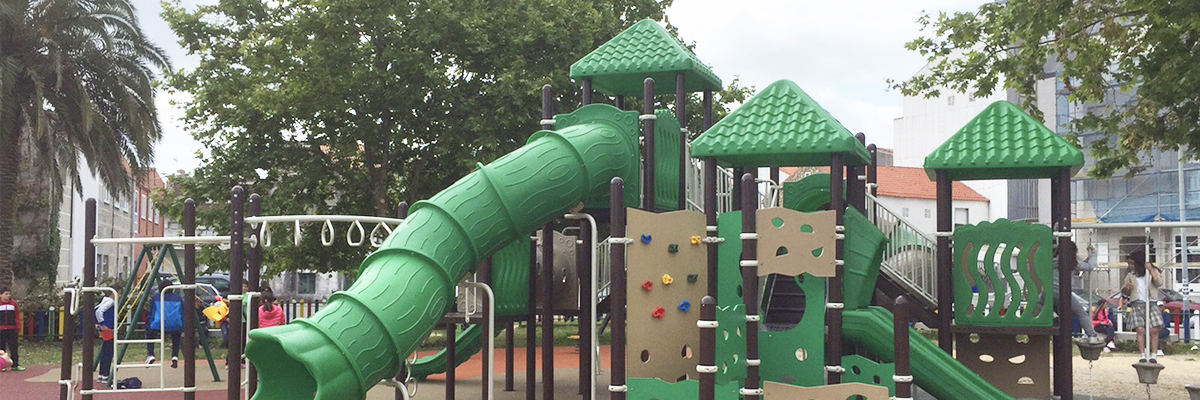
Playing outside gives your child a good start. Studies show outdoor playgrounds help kids grow in many ways. Research from Norway and other places says nature helps kids move better and get stronger. Look at the table below to see what the studies found:
Study | Findings | Notes |
|---|---|---|
Norwegian Studies | Natural places help kids move better | Shows outdoor spaces are important |
Nobre et al. | Parks help kids walk and run well | Looks at centers with outdoor areas |
Fjørtoft Study | Big nature spaces help kids move better | Size and crowding matter |
Loftesnes Study | Big natural playgrounds are better | Compared to regular playgrounds |
Famelia et al. | No difference in movement skills in city or country | Playground size matters most |
Norwegian Study | No difference in movement skills | Size and crowding matter more than nature |
Kids build strong muscles and learn to move well when they climb, run, and jump outside. Kids who live near parks with playgrounds feel happier and less stressed. Having an outdoor playground nearby can help your child feel better and grow in many ways.
Outdoor play gives your child things indoor play cannot. Kids move more outside. They run, jump, and climb. This helps them get fit and move better. Outdoor play is good for the heart and keeps kids from getting overweight.
Playing outside uses all five senses. Kids hear birds, feel wind, and smell flowers. These things make kids curious and help them pay attention. Kids feel less stress and handle feelings better when they play outside.
Outdoor play also helps kids learn to work with others. Kids learn to share, work together, and solve problems. They learn to get along and fix fights. These skills help kids do well in school and life.
Outdoor play helps kids become independent. Kids learn to find their way and think about risks. This makes them more confident and able to handle change. Kids who play outside notice more things and think better. They learn about cause and effect by playing with their surroundings.
Outdoor play helps kids take safe risks and bounce back from problems. Here are some ways outdoor play is different from indoor play:
Outdoor play helps kids face challenges and think about risks.
Kids learn to deal with mistakes and small hurts, which makes them stronger.
Feeling scared or getting small injuries helps kids get ready for bigger problems.
Outdoor play helps kids connect with nature and solve problems.
Handling fear and stress during play helps kids deal with stress later.
Taking your child to outdoor playgrounds often helps them grow in every way.
When you let your child play outside, they get stronger. Kids use their muscles when they run, jump, and climb. These actions help them balance and move better. The World Health Organization says outdoor play helps kids move more. It also helps them learn important movement skills. Playgrounds give kids many chances to practice these skills every day.
Kids who play outside are usually more fit and healthy. Studies show that playing outside three times a week helps kids get 20% more fit. Most kids who use playgrounds get better at moving their bodies. You can see them balance and coordinate better. Kids who stay active outside are less likely to get overweight.
Aspect | Statistical Insights | Impact on Physical Health Metrics |
|---|---|---|
Frequency of Outdoor Play | 75% of children play outdoors 3+ times a week | Increased aerobic fitness levels by 20% |
Motor Skill Development | 80% of children show enhanced motor skills | Significant improvement in coordination and balance |
Reduction in Obesity Rates | 15% obesity rates in active children | Lower body mass index (BMI) averages |
Kids who live near parks and playgrounds have lower body mass index scores. A big study found that kids with parks nearby are healthier at age 18. Kids who play outside in preschool are 15% less likely to be overweight.
You help your child stay active when you let them explore and take safe risks outside. Kids who move around and try new things feel more confident. They also become stronger when they face challenges. Studies show that kids who move freely play more and sit less. Risky play helps kids learn how to move well for life.
Kids who play rough games outside feel better and solve problems with friends. When kids are allowed to take safe risks, they focus better and feel good about themselves. You help your child build good habits and strong bodies by letting them try new things.
Kids who play outside have better heart rates and stamina.
Playing together helps stop obesity.
Risky play makes kids stronger and more confident.
You help your child stay healthy for life when you make outdoor play part of their day.
When you let your child play outside, they learn social skills. Kids work together, share, and fix problems at the playground. The open space gives them more chances to talk and play with friends. You might see your child comfort others or share toys. These actions help your child care about people and understand feelings.
Miranda et al. (2017) found that outdoor spaces help kids talk more and solve fights.
Dankiw et al. (2020) showed that playing in nature helps kids show feelings and feel happier.
Senoz and Kol (2025) saw that outdoor play makes kids kinder and more aware of feelings.
Mohamada et al. (2022) noticed more helping, like sharing and comforting, outside.
You may notice your child gets more confident when playing with others. Outdoor play helps your child listen, wait their turn, and make friends. These skills help your child do well in school and in life.
Letting your child play outside helps them grow emotionally. Outdoor playground activities help kids handle feelings and feel braver. Children face new things and learn to deal with stress. They become stronger and can bounce back from problems.
Evidence Type | Description |
|---|---|
Psychological Benefits | Outdoor play links to better mental health and less anxiety. |
Physiological Regulation | Regular outdoor activities lower stress levels in children. |
Cognitive Functioning | Outdoor play improves planning and decision-making for emotional control. |
Active Engagement | Self-directed play teaches children to regulate emotions in many contexts. |
Risk-Taking | Adventurous play encourages children to take safe risks and gain confidence. |
Playing outside without strict rules helps your child become stronger and feel good about themselves. Kids learn to fix problems and make choices alone. You see your child get stronger in their feelings and with friends. Play is important for your child's growth, including how they move and get along with others.
You give your child a chance to think and create when you visit an outdoor playground. Open spaces and new challenges help your child use their imagination. Outdoor play does not have set rules, so your child must decide what to do next. This freedom builds strong problem-solving skills.
Outdoor play gives your child open-ended situations. Your child learns to think in new ways and come up with creative ideas.
You see your child face real challenges. They must analyze what to do, adapt to changes, and keep trying until they succeed.
The outdoor world is always changing. Your child makes decisions and stays focused, which helps their mind grow.
Active play outside helps your child learn about how things move and work. When your child climbs, jumps, or builds, they understand physical ideas faster. You help your child learn new words and ideas by letting them move and explore.
Outdoor playgrounds also help your child develop important thinking skills. Your child learns to pay attention, remember steps, and solve problems with friends. These skills help your child do well in school and in life.
You support your child’s learning when you let them explore with their senses. Outdoor playgrounds offer many sights, sounds, and textures. Your child hears birds, feels grass, and smells flowers. These experiences help your child’s brain grow.
Sensory play is important for young children. It helps them learn about their world and build strong bodies and minds.
Babies and toddlers use their senses to explore. They connect what they feel and see with how they move.
Repeating sensory activities helps your child understand their environment and improve their motor skills.
Playing with sand, water, or leaves builds hand-eye coordination and fine motor skills.
Smelling flowers or tasting safe plants can help your child learn new words and talk about their experiences.
You help your child become curious and confident by encouraging sensory play. Outdoor playgrounds give your child the chance to learn in ways that indoor spaces cannot.
You can help your child love outdoor play by making it fun and easy. Try these ideas to get started:
Bring a favorite toy or nature tool outside. This can spark your child’s interest and start conversations about outdoor activities.
Offer a variety of outdoor activity ideas. Change up your routine with scavenger hunts, nature walks, or simple games.
Give positive feedback when your child chooses to play outside. Praise and reminders can boost their excitement.
Plan for all types of weather. Keep rain boots, jackets, or sun hats ready so your child can play outside in any season.
Let your child lead. Free and unstructured play helps your child become creative and confident.
Visit parks and green spaces often. You give your child more chances to explore and take safe risks.
Encourage play with friends or neighbors. Social play builds teamwork and makes outdoor time more enjoyable.
Community support matters. When you know your neighbors and feel safe, your child is more likely to play outside. Programs that teach about nature and local parks can also help your child feel comfortable outdoors.
You can make outdoor play safe and inviting with a few simple steps. Start by checking the outdoor playground for hazards before your child plays. Look for sharp objects, broken equipment, or slippery surfaces. Remove any trash or obstacles.
Follow these safety tips:
Use at least 12 inches of soft material like wood chips or rubber mats under play equipment.
Make sure the soft surface stretches at least 6 feet from all equipment.
Space tall play structures at least 9 feet apart.
Check for sharp edges, loose bolts, or broken parts.
Watch for tripping hazards and make sure guardrails are in place.
Supervise your child while they play.
Regular inspections keep the playground safe. Fix or remove broken items right away. Design play areas for your child’s age and needs. Add quiet spaces and different activity zones to make the area welcoming for everyone.
Safety Check | What to Look For |
|---|---|
Surfaces | Soft, shock-absorbing materials |
Equipment | No sharp edges or broken parts |
Layout | Enough space between structures |
Cleanliness | No trash, animal waste, or debris |
Weather | Safe temperatures, no ice or standing water |
You can help your child stay safe and happy by following these steps. A well-designed outdoor playground encourages active play and supports your child’s growth.
You help your child grow strong by making outdoor playgrounds part of their day. Kids get better at moving, making friends, and feeling sure of themselves when they play outside. The table below shows how outdoor play helps kids in many ways:
Benefit Type | Description |
|---|---|
Social Development | Kids learn to share and fix problems together. |
Imaginative Play | Nature helps kids be creative and explore more. |
Motor Skills | Playing outside helps balance and coordination. |
Sensory Stimulation | Outdoor places use all five senses. |
You can help your child do well by letting them play outside often. Start now and help your child grow with outdoor play.
You should aim for at least 60 minutes of outdoor play daily. This time helps your child stay active, build skills, and feel happier. You can split this time into shorter sessions if needed.
You can dress your child for the weather. Rain boots, jackets, or hats help your child play outside safely. If the weather is unsafe, try indoor movement games until you can go outside again.
You can keep your child safe by checking equipment and supervising play. Look for soft surfaces, safe distances, and age-appropriate structures. Most injuries happen when children use equipment the wrong way.
Safety Tip | What You Can Do |
|---|---|
Check surfaces | Look for soft materials |
Supervise play | Stay close and watch |
Inspect equipment | Fix or report problems |
Outdoor play helps your child solve problems, use their senses, and build language. You see your child become more creative and curious. Nature gives your child new things to explore and talk about.
Invite friends for outdoor play.
Offer fun outdoor toys or games.
Join your child outside to model active play.
Praise your child for trying new outdoor activities.
You can help your child enjoy outdoor time with encouragement and variety.