- All
- Product Name
- Product Keyword
- Product Model
- Product Summary
- Product Description
- Multi Field Search

Views: 8 Author: Site Editor Publish Time: 2026-04-17 Origin: Site
Are you ready to turn high-energy fun into a serious business investment? Starting an Indoor Trampoline Park offers massive profit potential if you choose the right equipment. This guide covers budgeting and safety standards. You will learn how to select quality materials for long-term success.
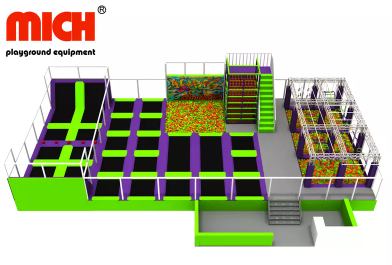
● Significant Initial Investment: Launching an Indoor Trampoline Park requires a capital budget between $100,000 and $750,000.
● Safety as Priority: Choose equipment that exceeds international standards, specifically focusing on durable materials like perforated polypropylene for jumping mats.
● Diverse Revenue Streams: Boost ROI by including high-margin attractions such as dodgeball courts, slam dunk lanes, and ninja warrior courses.
● Strategic Layout Planning: Aim for an average space of 30,000 square feet to accommodate trampolines, concessions, and a lobby for optimal flow.
● Quality Over Price: Investing in premium, commercial-grade materials reduces long-term maintenance costs and prevents expensive downtime.
● Reliable Supplier Partnership: Select manufacturers who provide comprehensive after-sales support, including installation guidance and spare parts.
Starting an indoor trampoline park requires a significant financial commitment. You should budget approximately $100,000 to $750,000 for initial purchasing costs. This wide range accounts for the varying sizes and feature sets modern parks offer. A major decision involves choosing between buying trampoline flooring by the square foot or investing in a pre-designed layout. While smaller startups often find purchasing by the foot more manageable, pre-built floors ranging from $10,000 to $50,000 can simplify the installation process.
Beyond the main trampolines, we must account for "hidden" essentials. These include basketball hoops ($20–$50 each), jumping socks ($40–$100 bulk), and initial concession supplies ($1,000–$2,000). Don't forget an operational reserve for installation labor and a maintenance inventory to keep the park running smoothly from day one.
Item Category | Estimated Cost Range |
Trampoline Flooring (per sq. ft.) | $60 – $100 |
Pre-built Trampoline Floor | $10,000 – $50,000 |
Concessions (Initial Stock) | $1,000 – $2,000 |
Assorted Toys (Footballs, etc.) | $100 – $500 |
Total Initial Equipment Budget | $100,000 – $750,000 |
A great indoor trampoline arena offers more than just flat jumping surfaces. To attract a wide audience and encourage repeat visits, we need a variety of attractions. You can choose between classic commercial trampoline mats, ninja course trampoline integrations, or dedicated kid-specific zones.
High-margin attractions keep guests engaged and coming back. Consider these key components:
● Foam Pits: Essential for safe landings and practicing aerial tricks.
● Dodgeball Courts: These encourage interactive play and are a staple for group bookings.
● Slam Dunk Lanes: A favorite among older kids and teenagers who want to feel like pros.
● Adventure Elements: Many parks now expand into adventure parks by adding rock climbing, rope courses, or ninja warrior courses.
We also need to plan for ancillary facilities. This includes a small concession stand for water, sodas, and energy drinks. As it grows, we can add popcorn or cotton candy machines to boost revenue.
To maximize the profitability of your Indoor Trampoline Park, consider adding features that turn it into an "adventure park". Popular additions include:
Active Features: Rope climbing, rock climbing, and foam pits provide diverse physical challenges.
Concession Upgrades: As your park grows, purchasing a popcorn or cotton candy machine can significantly increase secondary spending.
Assorted Inventory: Keep a steady stock of soft footballs, basketballs, and energy drinks to facilitate interactive play and guest comfort.
Your top priority must be safety. Look for equipment that exceeds international safety standards to protect your guests and your business. High-quality materials lead to fewer repairs and longer equipment lifespans.
The jumping mats should be made from durable, non-slip perforated polypropylene. This material is famous for its strength and excellent bounce. For protection, select high-quality, UV-resistant padding that fully covers all springs and steel frames. The frame itself must have a robust design with reinforced welding to withstand constant, high-impact use.
Component | Standard Requirement |
Jumping Mat | Durable, non-slip perforated polypropylene |
Safety Padding | UV-resistant; must cover all springs/frames |
Structural Frame | Robust design with reinforced welding |
Note:High-quality equipment might have a higher upfront cost, but it pays off through lower maintenance expenses and consistent operation.
Your supplier is your partner in this journey. We should choose manufacturers with proven track records and positive client testimonials. For basic units or square-foot purchases, platforms like Alibaba offer many models and styles. However, if we want more creative control, boutique firms can assist with custom colors and unique park designs.
Some suppliers offer end-to-end services. This includes installation guidance, marketing help, financial modeling, and branding assistance. Always ensure they provide comprehensive maintenance manuals and have spare parts readily available.
Purchasing equipment for an Indoor Trampoline Park often happens online, but the choice of platform depends on your business model. For those seeking variety and competitive pricing, Alibaba offers both square-foot units and entire park packages suitable for all age groups. If you require high creative control, specialized sites allow you to select custom colors and provide professional design assistance. Some companies even provide full-service solutions, handling everything from custom ninja course installation to branding and financial modeling.
A well-designed layout maximizes space and ensures smooth traffic flow.. Before you buy anything, plan out the entire park to make the best possible use of your space.
It is important to create an immersive experience. Use customizable colors and themes to build a unique brand identity that stands out. The design should guide guests naturally from the lobby to the high-energy trampoline zones and finally to the concession areas for rest.
Note:Proper traffic management reduces the risk of collisions between jumpers and improves the overall customer experience.
Don’t be tempted by the lowest price. Cheap, low-quality equipment leads to frequent repairs and safety hazards, which hurt your reputation and profits. Invest in premium, commercial-grade materials to ensure a longer equipment lifespan.
Maintenance is key to protecting your investment. Implement rigorous daily inspections of springs and mats to catch wear early. On the business side, consider structuring your business as an LLC to protect your personal assets from unexpected legal claims.
Starting an Indoor Trampoline Park involves inherent risks that require proactive management. Beyond selecting safety-certified equipment, you must focus on the legal structure of your business. It is highly recommended to structure your company as an LLC to protect your personal assets from unexpected legal claims. Furthermore, ensuring that your jumping mats are made of non-slip material and your steel frames are fully padded is not just about safety—it is about meeting international standards to avoid liability.
Success starts with smart purchasing decisions focused on safety and strategic budgeting. You must prioritize high-quality materials and efficient layouts to ensure long-term growth. Partnering with a reliable manufacturer like playground provides the durable equipment and expert support needed for a thriving venue. Their premium solutions maximize guest satisfaction and offer incredible value for your investment. Keep quality at the heart of your plan to build a profitable hub for active fun.
A: Initial purchasing costs typically range from $100,000 to $750,000.
A: It is the industry standard for an Indoor Trampoline Park due to its superior strength and bounce.
A: Choose manufacturers with proven track records and strong after-sales maintenance support.
A: Integrating dodgeball courts and slam dunk lanes encourages repeat visits and group bookings.