- All
- Product Name
- Product Keyword
- Product Model
- Product Summary
- Product Description
- Multi Field Search

Views: 3 Author: Site Editor Publish Time: 2026-01-30 Origin: Site
Have you ever wondered why trampoline parks are popping up everywhere? Their popularity is soaring as families seek fun and fitness.
However, planning a trampoline park requires careful consideration of safety and profitability. Balancing these elements is crucial for success in this competitive market.
In this post, we’ll explore the key elements to consider when planning a trampoline park, ensuring a safe and profitable venture.
A trampoline park is an entertainment venue featuring interconnected trampolines, designed for recreational jumping and various activities. These parks often cater to families, fitness enthusiasts, and anyone looking for fun. The primary purpose is to provide a safe environment for jumping while promoting physical activity and social interaction.
Common features of trampoline parks include:
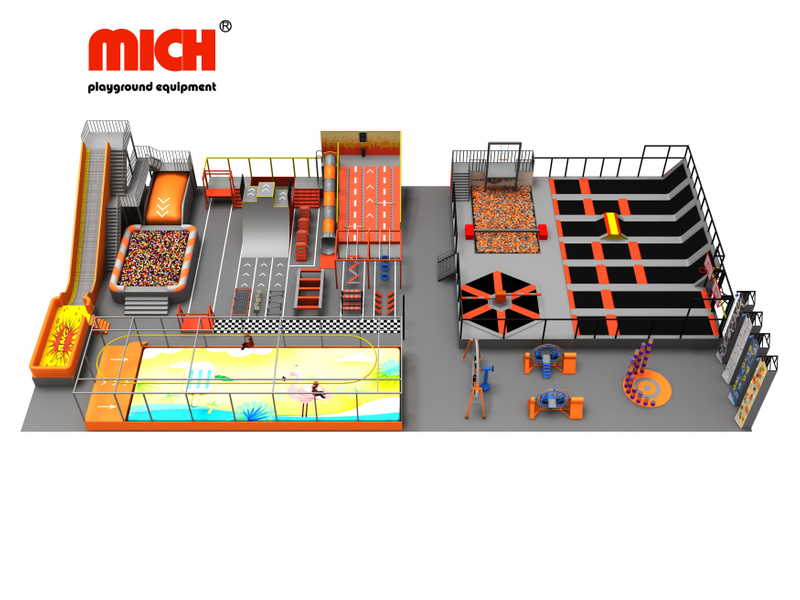
● Jumping Areas: Large spaces filled with trampolines, allowing for free jumping.
● Dodgeball Courts: Areas where guests can play dodgeball on trampolines, adding a twist to the classic game.
● Foam Pits: Soft landing zones filled with foam blocks for safe landings after jumps.
● Obstacle Courses: Challenging setups that test agility and coordination, often inspired by ninja warrior courses.
Feature | Description |
Jumping Areas | Main attraction for free jumping. |
Dodgeball Courts | Fun, competitive play on trampolines. |
Foam Pits | Safe landing zones to minimize injury risk. |
Obstacle Courses | Engaging activities that promote fitness and fun. |
Trampoline parks have surged in popularity due to several key trends in family entertainment. They offer a unique blend of fitness and fun, appealing to a wide audience. Families are increasingly seeking active leisure options, and trampoline parks fit the bill perfectly.
One major trend is the rise of family entertainment centers (FECs), which combine various activities under one roof. This trend allows families to spend quality time together while engaging in different forms of entertainment. Trampoline parks often serve as a central feature of these FECs, attracting visitors of all ages.
The appeal of fitness and recreational activities cannot be overstated. Trampoline parks provide a fun way to exercise, making physical activity enjoyable for children and adults alike. Jumping on trampolines is not only exhilarating but also a great workout. It enhances cardiovascular health, improves coordination, and builds strength, all while having fun.
In summary, the combination of engaging activities, fitness benefits, and family-friendly environments makes trampoline parks a popular choice for entertainment today. As consumers continue to seek out unique experiences, the trampoline park industry is poised for further growth.
When planning a trampoline park, compliance with safety standards is non-negotiable. The ASTM F2970 and ASTM F1918 standards provide guidelines for the design, manufacture, and operation of trampoline parks. These regulations ensure that parks operate safely and effectively, minimizing risks for users.
Adhering to updated regulations not only protects customers but also shields park owners from potential legal issues. Safety standards evolve, reflecting new research and technology. Therefore, staying informed about these changes is crucial for any trampoline park operator.
Choosing the right equipment is vital for safety in a trampoline park. Always opt for ASTM-certified trampoline park equipment. This certification guarantees that the equipment meets rigorous safety standards, ensuring structural stability and user protection.
MICH PLAYGROUND exemplifies this commitment to safety. Their products are designed with user safety in mind, incorporating features like reinforced frames and padded edges. Here are some essential safety features to look for:
● Reinforced Frames: Ensure durability and stability during use.
● Padded Edges: Minimize injury risks from falls.
● Non-Slip Surfaces: Provide better traction for jumpers.
Safety Feature | Description |
Reinforced Frames | Enhances structural integrity. |
Padded Edges | Reduces impact injuries. |
Non-Slip Surfaces | Improves grip and reduces slips. |
Professional installation plays a key role in ensuring safety. Proper setup of equipment is crucial to prevent accidents. MICH's skilled installation teams are available for both domestic and international projects, ensuring that every trampoline is set up correctly.
Regular maintenance and inspections are equally important. Establishing a routine for checking equipment can prevent potential hazards. This includes inspecting springs, mats, and safety features to ensure everything is in top condition.
Having well-trained staff is essential for a safe trampoline park experience. The recommended staff-to-jumper ratio helps maintain order and safety. For instance, having one staff member for every 10 jumpers allows for better supervision.
Emergency preparedness training is another critical aspect. Staff should be trained to handle emergencies, ensuring they can respond quickly and effectively. This training can include first aid, CPR, and specific protocols for various scenarios.
Designing a trampoline park with safety in mind is vital. Considerations such as layout, padding, and signage all contribute to a safer environment. For example, clear signage can guide jumpers on safety rules and proper usage.
Hygiene and cleanliness also play a significant role in creating a safe environment. The transition from foam pits to hygienic airbags is a notable advancement in trampoline park design. Airbags provide a cleaner, safer landing surface, reducing the risk of injury. Brands like MICH are leading this change, offering modern solutions that prioritize both safety and cleanliness.
Understanding your target market is crucial for a successful trampoline park. Demographics play a significant role in shaping your offerings. Families, teenagers, and fitness enthusiasts all have different preferences. By tailoring services to these diverse groups, you can maximize attendance and satisfaction.
For instance, MICH offers a range of trampoline park solutions designed to cater to various age groups and interests. Their parks include dedicated areas for young children, fitness classes for adults, and thrilling attractions for teens. This diversity not only attracts a broader audience but also enhances customer retention.
While entry fees are a primary source of income, there are many ways to increase profitability. Ancillary services such as birthday parties, group events, and concessions can significantly boost revenue. For example, hosting birthday parties can be a lucrative option, especially when combined with special packages that include food and drinks.
Diversified attractions also enhance the overall experience. Adding features like ninja courses and climbing walls can draw in more visitors. MICH's integrated experience parks combine trampolines with these interactive elements, creating a more engaging environment that encourages longer visits and repeat customers.
Additional Revenue Stream | Description |
Birthday Parties | Special packages that include food and activities. |
Group Events | Discounts for schools and corporate gatherings. |
Concessions | Snacks and beverages that enhance the visitor experience. |
Implementing dynamic pricing models can help maximize profits. Consider strategies like tiered pricing, which offers different rates based on time slots or age groups. For instance, you might charge less during off-peak hours, attracting more visitors during slower times.
Membership options can also provide steady revenue. Monthly or annual passes encourage repeat visits and foster customer loyalty. Additionally, offering off-peak discounts for schools and corporate events can fill your park during quieter times while providing value to local organizations.
Effective marketing strategies are essential for attracting customers to your trampoline park. Utilizing social media platforms allows you to reach a wider audience and engage with potential visitors. Regular posts showcasing events, special offers, and user-generated content can drive interest and excitement.
Local partnerships can also enhance your marketing efforts. Collaborate with schools, community centers, and fitness clubs to promote your park. MICH’s global experience, having successfully operated parks in over 100 countries, provides valuable insights into effective marketing strategies. Their expertise can guide you in creating campaigns that resonate with your target audience and drive traffic to your park.
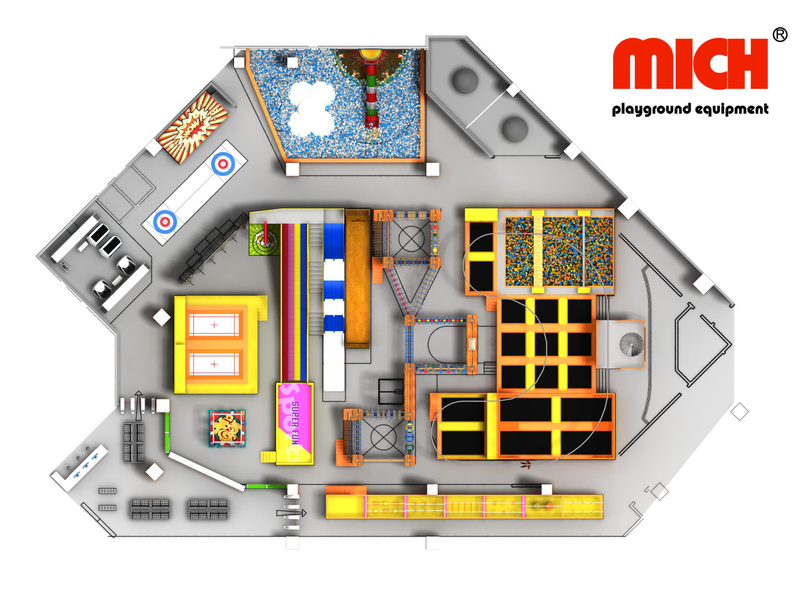
When planning a trampoline park, space and layout are critical factors. The recommended square footage varies based on the size of the park. For smaller parks, around 10,000 to 15,000 square feet may suffice, while larger facilities should consider 30,000 square feet or more. This additional space allows for more attractions and better customer flow.
Effective flow and traffic management within the park enhance the overall experience. A well-designed layout ensures that visitors can move freely between attractions without congestion. Key areas to consider in the layout include:
● Jumping Zones: Central areas for trampolines, allowing for maximum usage.
● Safety Zones: Spaces with padding and signage to guide jumpers.
● Rest Areas: Comfortable seating for parents and jumpers to relax.
The infrastructure of a trampoline park must prioritize customer comfort and safety. HVAC and ventilation are crucial, especially in high-energy environments. Proper airflow helps maintain a pleasant temperature, ensuring visitors enjoy their time without feeling overheated.
Lighting is another essential aspect. Adequate lighting not only enhances the atmosphere but also improves safety. Bright lights can help staff monitor activities and ensure that jumpers are safe. Safety features, such as emergency exits and clear signage, should be integrated into the design.
Infrastructure Element | Importance |
HVAC | Maintains comfortable temperatures for visitors. |
Ventilation | Ensures fresh air circulation in the park. |
Lighting | Enhances visibility and safety for all activities. |
Emergency Exits | Provides clear pathways for quick evacuations. |
By carefully considering space, layout, and infrastructure needs, trampoline parks can create a safe and enjoyable environment for all visitors. This attention to detail not only enhances the customer experience but also contributes to the park's overall success.
Understanding insurance requirements is crucial for operating a trampoline park. Liability insurance protects against potential claims arising from injuries or accidents. It’s essential to work with an insurance provider experienced in the recreational industry to ensure comprehensive coverage. This includes not only general liability but also specific policies tailored to trampoline parks.
Liability waivers are another critical component of risk management. Requiring participants to sign a waiver before using the facilities helps mitigate legal risks. These waivers inform customers of inherent risks associated with trampoline activities, emphasizing the importance of personal responsibility. Additionally, conducting participant safety briefings before jump sessions can further enhance safety awareness. This briefing should cover rules, proper jumping techniques, and emergency procedures.
Insurance Component | Description |
General Liability | Covers injuries and accidents on the premises. |
Participant Waivers | Reduces legal risks by informing users of risks. |
Safety Briefings | Educates jumpers on rules and emergency protocols. |
Regular maintenance and safety inspections are vital for minimizing risks in a trampoline park. Establishing daily inspection routines ensures that all equipment, including trampolines and safety features, is in good condition. Maintenance logs should be meticulously kept, documenting each inspection, repairs made, and any safety concerns identified.
In addition to maintenance logs, developing clear safety protocols is essential. These protocols should outline steps to address safety concerns quickly and effectively. For instance, if a trampoline shows signs of wear, it should be marked as out of service until repairs are completed. Staff should be trained to recognize potential hazards and know how to report them promptly.
Maintenance Practice | Importance |
Daily Inspections | Ensures equipment is safe and operational. |
Maintenance Logs | Tracks safety checks and repairs over time. |
Safety Protocols | Provides guidelines for addressing safety issues. |
By focusing on insurance, liability management, and rigorous maintenance practices, trampoline parks can significantly reduce risks while providing a safe environment for all visitors.
Planning a safe and profitable trampoline park involves several key elements. Focus on safety standards, effective layout, and diverse revenue streams. Prospective owners should prioritize safety and enhance the customer experience.
As trampoline parks evolve, innovative brands like MICH are setting industry standards. Their commitment to safety and creativity will shape the future of trampoline parks in the entertainment industry.
A: Initial costs can range from $500,000 to over $1 million, depending on size and features.
A: Look for high-traffic areas with family demographics and minimal competition.
A: Challenges include safety compliance, maintenance, and attracting consistent foot traffic.
A: Focus on safety, staff training, cleanliness, and diverse attractions to enhance visitor satisfaction.
A: MICH offers ASTM-certified equipment, integrated experience parks, and tailored solutions for various target markets.