- All
- Product Name
- Product Keyword
- Product Model
- Product Summary
- Product Description
- Multi Field Search

Views: 2 Author: Site Editor Publish Time: 2026-02-10 Origin: Site
Good EBITDA margins are over 20%.
Experts think the margin will be 22% by 2026.
Things like where your park is, how much people spend, and having different services change your ROI. Safety rules and using certified suppliers like MICH help you pay less for insurance and make your business strong.
Trampoline parks can make money. Top franchises earn about 25% profit. Try to get more customers and make them spend more. This helps you earn more.
Starting a trampoline park costs between $100,000 and $2.5 million. Pick a good place for your park. Use certified suppliers to keep costs low.
Marketing is very important for your park. Spend money on a good marketing plan. This will bring in guests and keep your park busy all year.
Make money in different ways. Offer birthday parties and group events. Sell food and merchandise. These things can help you earn more profit.
Get ready for busy times and watch your costs. If you run your park well, you can get your investment back in 2 to 4.5 years.
The trampoline park industry is growing fast. The market is getting bigger every year. Here are some key facts:
The global market value will be USD 1.6 billion in 2026.
Experts think the market will reach USD 6.17 billion by 2035.
The industry expects a growth rate of 16.2% each year from 2026 to 2035.
This growth happens because more people want fun ways to stay active. Cities are growing, and families have more money now. Many people pick activities that are fun and good for their health. New technology makes parks safer and more fun. Digital games and safety tools bring in more visitors and help owners run parks better.
You need to pay attention to a few things to make your trampoline park earn more money. The most important things are how many customers you get, how much they spend, and how well you run your park. If you get more guests and they spend more money, you make more profit. More people visiting helps you pay for things like rent and insurance. Selling snacks, drinks, and other items also helps you earn extra money.
Tip: You can make more profit by having birthday parties, group events, and special programs. These services give you more money and bring customers back again.
Here is a table with the main numbers for a successful trampoline park:
KPI | Industry Benchmark |
|---|---|
Labor Cost | 30–35% of Revenue |
EBITDA Target | $388,000 |
Concession Margin | 60% or greater |
Total Annual Visits | 70% utilization during peak hours |
Average Spend Per Guest | 30% to 50% of spend through non-ticket items |
Fixed Cost Coverage Ratio | Above 15x for growth-stage facilities |
You should watch two main numbers:
Metric | Description |
|---|---|
Total Annual Visits | Shows how many guests come, which tells you about demand and how full your park is. |
Average Spend Per Guest | Tells you how much money each visitor brings in, including tickets and other purchases. |
To make the most profit, you need to get more customers and have them spend more. Selling more general admission tickets helps you use your space well and keeps your business strong. When you sell more food, drinks, and other extras, you make your profit margin higher.
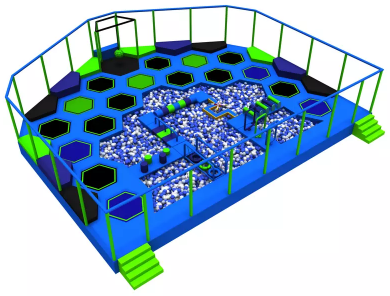
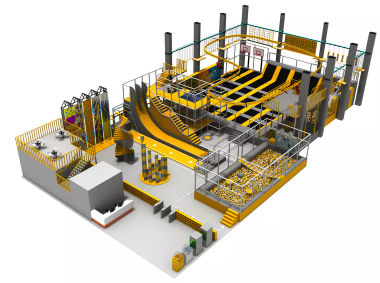
You need to think about many costs when you start a trampoline park. The total money you need can be from $100,000 to $2.5 million. The most expensive things are the building, equipment, and getting the site ready. Here is a table that shows some usual costs:
Expense Type | Cost Range |
|---|---|
Franchise Fee | $5,000–30,000 |
Lease & Deposit | $10,000–50,000 |
Building Improvements | $10,000–100,000 |
Equipment & Supplies | $40,000–120,000 |
Signage | $5,000–30,000 |
Furniture | $5,000–10,000 |
How big your park is and where it is will change your costs. Parks in busy cities usually cost more money. Bigger parks need more space and equipment. You should buy good, certified equipment. Working with a company like MICH helps you follow safety rules and can make insurance cheaper. Certified equipment often has warranties, which helps you and your insurance company feel safe.
You need to get different licenses and insurance before you open. These include:
General liability insurance
Workers’ compensation insurance
Business license
Building and fire safety permits
Music licensing (if you play music)
Trampoline park liability insurance
Insurance can cost $300 to $800 each year for $1 million in coverage. Following all safety rules helps keep your insurance price low. Using certified equipment and checking it often is important for this.
You should save money for marketing to get your first guests. Good ideas include:
Making a bright, simple website
Posting real pictures from your park
Creating Facebook pages for families
Using local SEO so people find you online
Giving party deals for different groups
A good marketing plan helps fill your park from the start. Most parks spend at least $5,000 on ads before they open.
Tip: If you plan well and work with trusted suppliers like MICH, you can keep costs down and help your trampoline park do well for a long time.
You need a strong team to run your park every day. Staff members help guests, keep the park clean, and make sure everyone follows safety rules. Payroll costs usually take up a big part of your budget. Most parks spend between 20% and 30% of their gross revenue on staff wages. You may need to hire managers, front desk workers, party hosts, and cleaning crews. Good training helps your team work better and keeps your guests safe.
Payroll costs: 20-30% of gross revenue
Labor is one of the largest expenses
You must keep your park safe and clean. This means you pay for electricity, water, and repairs. Maintenance costs often range from 5% to 15% of your revenue. You need to check equipment often and fix anything that breaks. Clean trampolines and working lights help your guests have fun and stay safe. Utility bills can be high, especially if your park is large or open many hours.
Maintenance: 5-15% of revenue
Utilities are a significant ongoing cost
You want people to know about your park. Marketing helps you reach new guests and remind past visitors to return. Many parks spend a lot on ads, social media, and special events. Some owners use up to 40% of their revenue for aggressive growth marketing. You can use flyers, online ads, and local partnerships to spread the word. A steady marketing plan keeps your trampoline park busy all year.
Aggressive marketing: up to 40% of revenue
Most of your money comes from admission fees and event bookings. Many people pay to jump and play at your park. You can also hold birthday parties, school trips, and team events. These group bookings make more money than single tickets. Try to get 100,000 visits by your third year. This helps you pay for fixed costs and grow your business.
Here is a table that shows how admission and events help your revenue:
Revenue Source | Contribution to Revenue | Notes |
|---|---|---|
General Admission Visits | Volume Driver | Try for 100,000 visits by Year 3 to cover fixed costs. |
Party Bookings | High Average Transaction | Each event brings about $420, much more than single tickets. |
A medium-sized trampoline park can make $1.5 million to $3 million each year. You can earn more by offering special deals and group packages. Many parks make big profits from events because families and groups spend extra money.
You can earn more by selling food, drinks, and merchandise. Many parks have snack bars, cafes, or vending machines. Guests often buy snacks and drinks while they visit. You can also sell shirts, hats, and souvenirs with your park’s name. These items help you make more money and help guests remember your park.
Arcade games and photo booths are fun extras. They give guests more things to do and help you earn extra money. These services help your park make more profit and stand out from others. You should offer food, merchandise, and extras to keep guests happy and boost your earnings.
You want to know how much money you can make from your park. Most parks earn about $2.18 million each year. Some owners report even higher numbers. The top half of franchise owners reach around $2.2 million in net revenue. If you look at 14 different parks, the average revenue is about $2.32 million. The best parks can make $4 million to $6 million or more every year.
You do not keep all the money you earn. You must pay for things like staff, rent, and supplies. Most parks spend between $500,000 and $1 million each year on these costs. After you pay your bills, you can look at your profit margin. In 2022, the average EBITDA margin was 20.51% of gross sales. This means you keep about 20 cents for every dollar you make after paying your main expenses.
You can earn money in many ways. You sell tickets for jumping. You offer memberships. You host birthday parties and group events. You sell food, drinks, and arcade games. These extra services help you earn more and keep your business strong.
Here is a table to help you see the numbers:
Category | Average Value |
|---|---|
Annual Revenue | $2.18M – $2.32M |
Top Park Revenue | $4M – $6M+ |
Annual Operating Costs | $500K – $1M |
EBITDA Margin | 20.51% |
You want to know how long it takes to get your money back. This is called the payback period. Most well-run parks get their investment back in 2.5 to 4.5 years. Many case studies show that the average payback period is between 2 and 3 years. If you manage your park well, you can reach this goal.
Many parks pay back their investment in 2 to 3 years.
Some parks take up to 4.5 years if costs are higher or growth is slower.
Good management and strong marketing help you get your money back faster.
You should plan for at least two years before you see full returns. If you keep your costs low and attract many guests, you can reach your goals sooner. A short payback period means you start making real profit faster.
Picking the right spot for your trampoline park is important. Parks in busy cities or family areas get more guests. If people can get to your park easily, they will visit more. Parks near schools or shopping centers attract families and kids. Places with lots of young people or families have more visitors. More guests help your business make more money.
Parks in family areas or with young people get more visitors.
Parks in crowded cities are easier to find and get to.
Knowing who lives nearby helps you plan to earn more.
How big your park is changes how many people you can serve. Bigger parks can hold more events and have more things to do. You should also think about other fun places close by. If there are many other parks, you need to be different. Try to offer special services or programs. Having many activities brings in more guests and keeps your park busy.
Trampoline parks need to fit in with their area and watch their competition. Having different activities helps your park stand out and can help you make more money.
The number of guests changes during the year. School breaks, summer camps, and winter holidays bring more people. You will need more workers and spend more on utilities during these times. Cleaning and heating or cooling costs go up with more guests. You should plan your spending for these busy times.
Busy seasons and camps mean more cleaning and HVAC costs.
Costs change based on where you are and what you use.
Plan your utility budget as a part of your revenue and add more staff when it gets busy.
More people join memberships during camps and holidays.
Marketing can cost up to 40% of what you expect to earn.
If you do not plan for busy times, you might run out of money.
You can make more money by watching your costs. Buy strong equipment so it lasts longer. This means you do not fix things as much. Check how your park runs often. Look for places where you spend too much. Try to save money in those spots. Use deals and loyalty programs to bring guests back. These ideas help you get more visitors without spending a lot on ads. Add new things like arcade games or fitness classes. These extras use your space well and help you earn more.
Buy strong equipment to spend less on repairs.
Check your park for waste and find ways to save.
Use deals and loyalty programs to get guests to return.
Add things like arcade games and fitness classes.
You can make more money by offering different things. Fitness classes bring in people who care about health. These classes can give you up to 20% of your money. Birthday parties are very popular. They can be almost 40% of what you earn. Offer packages for families, schools, and groups. These deals fill your park and make you different from other parks.
Fitness classes help you earn more and get new guests.
Birthday parties bring in lots of money and guests.
You get trust and happy guests by making your park safe and fun. Good safety rules make people want to come back. Memberships give special perks and steady money. Themed events make visits special and fun to share. Using technology like easy check-in and online booking makes things simple for guests.
Safety rules help guests feel safe and come back.
Memberships make guests loyal and give you steady money.
Themed events and technology make visits fun and easy.
Tip: Good planning and strong equipment help you run your park safely and well. This gives you steady profits and happy guests.
You might wonder how a trampoline park is different from other family fun places. Many people think about soft play centers, arcades, or bowling alleys. Each one has its own costs and good points. The table below shows how trampoline parks and soft play centers compare:
Dimension | Soft Play | Trampoline Park |
|---|---|---|
Initial Investment | Moderate | High |
Maintenance Cost | Low to moderate | High |
Safety Level | Very high | Medium |
A trampoline park needs more money to open than a soft play area. It also costs more to keep everything working well. You must watch safety closely. But trampoline parks give something special. They help people make friends and feel like part of a group. This makes guests want to come back again. Family entertainment is growing quickly. Experts say it grows by 4.3% every year because families want fun things to do.
You should know the risks and rewards before you invest. High costs for running and fixing things can make growing hard. About 45% of small park owners say these costs stop them from getting bigger. Some parks in cities have trouble when fewer people visit during slow times. Safety is a big worry. Over 28,000 trampoline injuries happen each year. About 40% of parks say it is hard to keep staff trained to stop accidents.
Here is a table that shows the main risks and rewards:
Risks and Rewards | Details |
|---|---|
High Operational and Maintenance Costs | You need to spend a lot to keep things running. |
Safety and Injury Risks | Injuries can lead to legal problems and hurt your reputation. |
Urban Recreational Demand | More people in cities want indoor fun, which helps your business grow. |
Rising Health Consciousness | More families want fitness activities, so attendance can increase. |
You can see that trampoline parks have both problems and big rewards. If you plan well and keep things safe, you can build a strong business that grows with the market.
You can make good money with a trampoline park if you plan well and keep it safe. Starting costs are high, but you can earn a lot if you manage things smart and use trusted suppliers.
Learn about your market.
Ask experts for advice.
Go see other parks.
Tip: New chances can be exciting, but there are risks too. Careful research helps you choose what is best for your money.
You need $100,000 to $2.5 million to start. The cost depends on your location, park size, and equipment quality. You can lower risks by choosing certified suppliers.
Most owners see profits in 2 to 3 years. Careful planning and strong marketing help you reach this goal faster.
You must follow local safety codes. Use certified equipment. Train your staff well. Regular checks keep your park safe for everyone.
Yes! You can add arcade games, fitness classes, or party rooms. These extras help you earn more and attract new guests.
Certified suppliers like MICH give you safe, high-quality equipment. This helps you meet insurance needs and build trust with your guests.