- All
- Product Name
- Product Keyword
- Product Model
- Product Summary
- Product Description
- Multi Field Search

Views: 0 Author: Site Editor Publish Time: 2026-06-13 Origin: Site
Global family entertainment centers, municipalities, schools, and luxury resorts increasingly rely on international supply chains to procure durable play structures. Facility managers and project developers face a distinct challenge. They must balance strict capital expenditure limits with non-negotiable safety compliance. Long-term durability and the logistical complexities of cross-border procurement add further layers of difficulty to the sourcing process. Securing high-yield attractions requires a strategic approach to vendor selection and material verification.
Navigating the overseas market demands a clear understanding of manufacturing standards and product categories. Buyers need an evidence-based breakdown of the most popular commercial structures available. This guide provides a rigorous framework for evaluating manufacturers and mitigating implementation risks. You will learn how to identify top-tier exports, verify critical safety certifications, and streamline your international procurement strategy.
Establishing baseline requirements forms the foundation of a viable international procurement strategy. Different commercial use cases demand specific structural and material prerequisites. Municipal parks require heavy-duty vandalism resistance. Public schools prioritize high-capacity inclusive play. Family entertainment centers focus on high-throughput interactive attractions. Luxury resorts need aesthetically integrated, low-profile designs. Defining these parameters early prevents scope creep and ensures the final installation aligns with user demographics and site constraints.
When you map out a new site, the first step is evaluating the subgrade and drainage. You cannot drop a massive multi-play system onto poorly compacted soil. We always recommend a minimum of 95% standard Proctor compaction for the subgrade before pouring concrete footings. If you skip this, the equipment will settle unevenly, stressing the galvanized steel joints and voiding your warranty.
Aligning Chinese manufacturing outputs with local regulatory requirements remains an absolute necessity. Facilities cannot operate without passing local safety inspections. For the United States, structures must comply with ASTM F1487 standards. European installations require strict adherence to EN 1176 guidelines. Australian projects must meet AS 4685 specifications. These frameworks dictate critical safety metrics. They cover fall zone dimensions, entrapment hazards, guardrail heights, and structural integrity under dynamic loads.
Procurement teams must demand verifiable, third-party testing certificates for all imported components. Do not accept self-certified documents. You need reports from recognized testing laboratories. For example, when checking for head entrapment hazards, the testing probe must pass through openings smoothly according to ASTM guidelines. If a manufacturer cannot provide a recent test report for their specific clamp or panel design, walk away.
Environmental factors dictate the lifespan of outdoor installations. Evaluating specifications for UV resistance ensures plastic components retain their structural integrity and color under intense sun exposure. Anti-corrosion treatments are mandatory for steel elements, especially in coastal or high-humidity regions. Hot-dip galvanization combined with thick powder coating provides the necessary defense against rust.
Wear-resistance in high-traffic environments requires heavy-duty materials. High-density polyethylene (HDPE) panels and reinforced steel decks withstand continuous daily use. Selecting the right materials prevents premature degradation and reduces long-term maintenance burdens. We look for a minimum of 114mm diameter steel posts with a 2.2mm wall thickness for main structural supports. Anything less will flex under heavy loads.
The export market offers a vast array of standard and custom outdoor structures. Manufacturers have refined their production lines to deliver highly scalable and durable systems. These solutions cater to diverse spatial requirements and user capacities. Analyzing the dominant categories helps buyers select the most appropriate configurations for their specific site layouts.
When sourcing play equipment china, you will notice a heavy emphasis on modularity. This allows factories to mass-produce core components while offering customized layouts. It keeps production times manageable while giving you a unique site plan.
Modular designs dominate the export landscape due to their inherent scalability. These multi-play systems utilize galvanized steel pipes for core structural support. Anti-static Linear Low-Density Polyethylene (LLDPE) components form the slides, roofs, and interactive panels. Heavy-duty structural steel ensures stability across expansive footprints. The modular nature allows facility managers to expand or reconfigure the layout as site requirements evolve.
During installation, the alignment of these modular decks is critical. You must level the first deck perfectly. If the primary deck is off by even a fraction of an inch, the error compounds as you build outward, making it impossible to align the final slide or bridge connections. Always use a laser level, not just a standard bubble level, when setting the initial posts in the concrete footings.
High-volume traditional staples remain essential for comprehensive playground designs. These standalone units complement larger modular systems and provide targeted physical activities. Sourcing realities for these items emphasize heavy-duty construction and standardized safety features.
Public parks and luxury resorts increasingly integrate specialized physical training zones. Sourcing outdoor adult fitness equipment requires focusing on biomechanical safety and weather resistance. Ninja Warrior-style obstacle courses offer high-intensity challenges utilizing reinforced truss systems and impact-absorbing safety surfacing. Specialized agility trails provide structured cardiovascular and strength training options.
These installations require robust steel gauges and tamper-proof hardware to withstand adult weight loads and continuous outdoor exposure. We specify Grade 304 stainless steel security bolts for all fitness equipment. Standard hex bolts will be stripped or stolen within months in a public park setting.
Temporary and seasonal venues frequently deploy air-supported attractions. Evaluating the durability of imported bouncy castles, inflatable obstacle courses, and water park structures is critical. Top-tier manufacturers utilize commercial-grade, fire-retardant 0.55mm PVC tarpaulin. Double or quadruple stitching at high-stress seams prevents blowouts.
Heavy-duty anchoring systems ensure stability during moderate wind conditions. Proper material selection guarantees these inflatables withstand high user turnover without catastrophic deflation. Always check the blower specifications. You need continuous airflow blowers rated for the exact cubic volume of the inflatable, with built-in backflow flaps to prevent rapid deflation during a power outage.
Indoor venues require high-yield attractions to maximize square footage and drive repeat visitation. Family Entertainment Centers rely on dense, multi-level configurations. These environments demand strict adherence to fire safety codes and specialized impact attenuation standards. The focus shifts from weather resistance to maximizing user throughput and sensory engagement.
When planning an indoor facility, ceiling height is your biggest constraint. You need a minimum of 5 meters of clear height to install a standard three-level soft play structure. This measurement must account for HVAC ducts, fire sprinklers, and lighting fixtures. Failing to measure the true clear height leads to costly on-site modifications.
Large-scale indoor arenas depend on modular scalability. Structural requirements for custom trampoline parks mandate heavy-duty tubular steel framing. Safety netting specifications must ensure zero-slack enclosures to prevent falls outside the jump zones. Olympic-grade jump mats provide consistent rebound performance and tear resistance.
High-density foam padding must cover all structural springs and frame edges. Proper engineering ensures the entire matrix absorbs kinetic energy safely across multiple interconnected jump zones. The spring tension must be calibrated based on the target demographic. Adult zones require stiffer springs, while toddler areas need softer tension to allow lighter users to bounce safely.
Early childhood zones require specialized material evaluation. Premium soft play facilities utilize high-density EPE (Expanded Polyethylene) foam for optimal impact absorption. Fire-retardant PVC leather wrap provides a durable, easy-to-clean surface. Non-toxic enclosures ensure a safe environment for toddlers.
These multi-level structures often incorporate ball pits, soft ramps, and padded obstacles. Strict quality control prevents the use of off-gassing adhesives or substandard foam that degrades quickly under compression. We always request material safety data sheets (MSDS) for the PVC vinyl and the internal foam to verify they meet local fire retardant standards.
Increasing venue dwell time requires integrating engaging, modern attractions. Fun Walls offer visually striking, auto-belayed climbing challenges. Indoor rope courses utilize overhead tracking systems for safe, high-altitude navigation. Indoor zip lines provide dynamic aerial movement within confined spaces.
Interactive digital projection games blend physical activity with digital responsiveness. The integration of these themed zones significantly boosts customer retention and differentiates the venue from traditional play spaces. When installing interactive projectors, ambient light control is critical. You must position the projection zones away from large windows or bright overhead lights to ensure the sensors track user movement accurately.
Frameworks for shortlisting and auditing potential supply partners mitigate the risks of international sourcing. Relying solely on glossy catalogs or polished websites often leads to substandard procurement. Buyers must implement a strict vetting process to differentiate between capable factories and intermediary trading companies.
Working with a verified China Playground Equipment Manufacturer ensures you have direct access to the engineering team. This direct line of communication is vital when modifying CAD drawings to fit your specific floor plan.
Verifying a manufacturer's actual production floor is the first critical step. Third-party audits from organizations like SGS, TUV, Bureau Veritas, or Intertek provide objective assessments of factory capabilities. These audits confirm machinery assets, workforce size, and production capacity.
They distinguish genuine manufacturers from trading companies that outsource production. Direct factory engagement ensures better quality control, faster communication, and more reliable production timelines. Look for factories that own their rotational molding machines. If they outsource the plastic molding, they cannot control the cooling times, which leads to warped slides and panels.
Comprehensive factory support streamlines the entire procurement lifecycle. Assessing the manufacturer's ability to provide turnkey services is vital. Top suppliers offer custom 3D rendering to visualize the installation within the specific site dimensions. Detailed CAD drafting ensures precise structural alignment and spatial planning.
Structural engineering compliance certificates validate that the design meets local safety regulations. This end-to-end support minimizes installation errors and accelerates project completion. A good design team will ask for your DWG floor plans and plot the equipment directly into your architectural drawings, accounting for emergency exits and ADA-compliant pathways.
Documenting the supply chain for raw materials guarantees the longevity of the final product. Quality control protocols must track material specifications meticulously. Steel thickness gauges dictate the structural load capacity. Plastic rotational molding techniques determine the uniformity and strength of slides and panels.
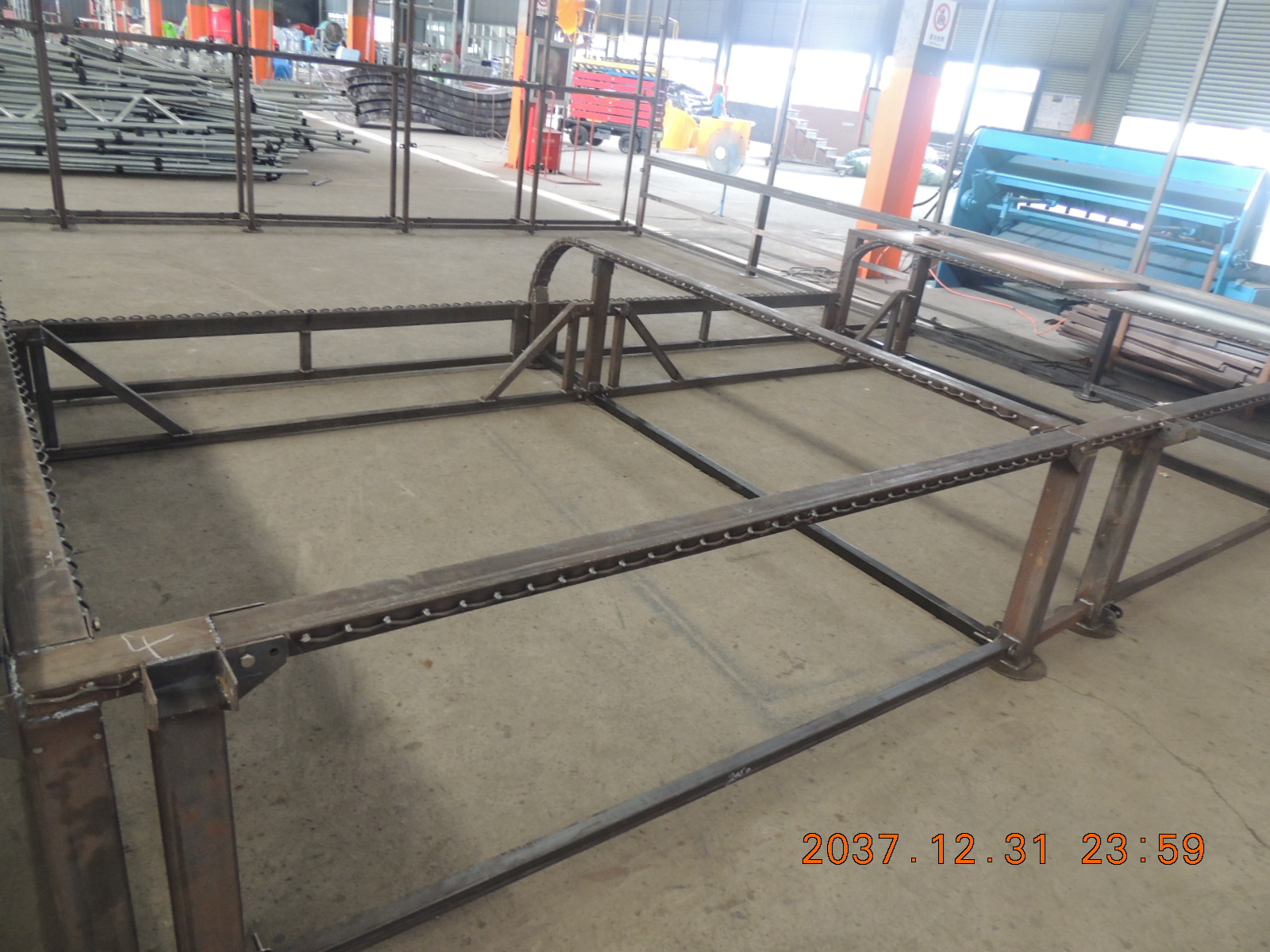
Hardware grades, such as Grade 304 or 316 stainless steel fasteners, prevent structural failure due to rust. Rigorous QC inspections before shipping prevent the arrival of defective or non-compliant components. We require photos of the pre-assembly process at the factory. The manufacturer must build the core structure on their floor to prove all bolt holes align before packing it into the shipping container.
| Evaluation Dimension | Key Verification Metric | Impact on Project Success |
|---|---|---|
| Factory Authenticity | Third-party audit reports (SGS, TUV) | Ensures direct communication and eliminates intermediary markups. |
| Design Capabilities | In-house CAD and 3D rendering teams | Guarantees site-specific customization and spatial accuracy. |
| Material Standards | Documented steel gauges and LLDPE specs | Determines structural lifespan and weather resistance. |
| Hardware Quality | Use of Grade 304/316 stainless steel | Prevents catastrophic joint failure and corrosion. |
| Pre-Assembly Testing | Photographic proof of factory test build | Eliminates on-site alignment issues and missing parts. |
Navigating the compromises inherent in international sourcing requires strategic decision-making. Buyers must weigh various factors to align the final product with their operational goals and resource limits. Understanding these trade-offs prevents misaligned expectations and ensures the selected equipment serves its intended purpose effectively.
You cannot have the fastest lead time, the highest custom specifications, and the lowest budget simultaneously. You must prioritize two of these three elements based on your project timeline and operational requirements.
Standard catalog designs offer distinct advantages in speed and predictability. Off-the-shelf structures feature faster lead times because the engineering and mold creation are already complete. Conversely, custom-designed structures require extensive engineering validation and unique fabrication processes.
While custom designs perfectly align with specific venue branding and spatial constraints, they extend production timelines. Facility managers must determine if the unique aesthetic justifies the extended wait. If you are opening a franchise location with strict opening dates, off-the-shelf modular units are the safer choice.
Downgrading material specifications to meet initial resource limits often results in severe long-term consequences. Reducing powder-coating thickness exposes steel to rapid corrosion. Lowering foam density in soft play areas leads to quick compression and safety hazards. Utilizing thinner plastic components increases the risk of cracking under heavy use.
Investing in premium materials upfront ensures the longevity of Commercial Play Equipment and minimizes the frequency of part replacements and maintenance downtime. We have seen operators save a few thousand dollars on thinner PVC vinyl, only to spend triple that amount replacing torn padding within the first year of operation.
Importing large-scale structures involves significant logistical and operational hurdles. Identifying these risks early allows project managers to implement effective mitigation strategies. Proactive planning ensures the equipment arrives intact and is installed correctly.
You must coordinate the arrival of the shipping containers with your site readiness. If the concrete pad is not cured, or the indoor facility lacks a roof, you will incur massive demurrage charges holding the containers at the port.
Managing container freight volatility requires flexible scheduling. Customs clearance delays can stall projects for weeks if documentation is inaccurate. Securing comprehensive ocean freight insurance protects against transit damage or container loss. Production schedules must align with shipping availability.
Buyers should factor in buffer weeks to accommodate unforeseen logistical bottlenecks. Always hire a licensed customs broker to handle the import paperwork. They will ensure the Bill of Lading, Commercial Invoice, and Packing List match exactly, preventing customs holds.
Proper assembly dictates the final safety of the structure. Detailed, English-language installation manuals and 3D video guides are non-negotiable requirements from the manufacturer. Complex installations often necessitate hiring local certified playground safety inspectors (CPSI) to oversee the process.
Alternatively, requesting supervised on-site factory installation technicians ensures the structure meets all engineering specifications. Incorrect installation voids warranties and introduces severe liability risks. We use a numbered labeling system for all steel pipes. If the factory does not label the parts clearly, your installation crew will waste days sorting through identical-looking steel posts.
Securing spare parts across international borders can be challenging. Establishing clear Service Level Agreements (SLA) before finalizing the purchase is critical. Strategies for enforcing warranty claims require detailed photographic evidence and clear communication channels.
Reliable manufacturers maintain inventories of standard replacement parts and expedite shipping for critical components. Understanding the exact terms of the warranty ensures long-term operational stability. Always order a spare parts kit with the initial shipment. Having extra clamps, bolts, and touch-up paint on hand saves you from waiting weeks for a minor replacement part.
Sourcing play equipment from overseas remains a highly viable strategy for commercial projects. Success depends entirely on rigorous technical evaluation and a steadfast commitment to safety compliance. Decision-makers must filter suppliers based on verifiable international certifications, transparent material sourcing, and robust in-house design capabilities. Take these immediate steps to advance your procurement process:
A: Mandatory certifications depend on your location. The US requires ASTM F1487 compliance. Europe mandates EN 1176 standards. Australia requires AS 4685. Always demand verifiable, third-party testing certificates from recognized bodies like TUV or SGS to ensure the equipment meets these strict regulatory frameworks.
A: Commission a third-party audit from organizations like SGS, Bureau Veritas, or Intertek. These audits inspect the physical premises, verify machinery assets, and confirm workforce size. Direct video tours of the production floor during working hours also help confirm manufacturing capabilities.
A: Custom indoor structures typically require 25 to 45 days for production, depending on complexity and scale. Shipping via ocean freight adds another 20 to 40 days based on the destination port. Always factor in an additional two weeks for customs clearance and local transport.
A: Many top-tier manufacturers offer on-site installation supervision. They dispatch experienced technicians to guide your local labor force. If on-site supervision is unavailable, reliable suppliers provide detailed 3D installation manuals, video guides, and real-time remote engineering support.
A: High-quality outdoor structures utilize hot-dip galvanized steel pipes with thick powder coating for rust prevention. Plastic components should be made from UV-resistant, anti-static LLDPE (Linear Low-Density Polyethylene). Fasteners must be Grade 304 or 316 stainless steel to ensure joint integrity.