- All
- Product Name
- Product Keyword
- Product Model
- Product Summary
- Product Description
- Multi Field Search

Views: 6 Author: Site Editor Publish Time: 2026-03-13 Origin: Site
Opening a kids indoor soft playground is an exciting business venture that offers a safe, fun, and engaging environment for children to play and socialize. With the increasing demand for indoor play spaces, especially in urban areas where outdoor play might be limited, opening an indoor soft playground can be a rewarding business. At Zhejiang Mich Playground Co., Ltd., we help entrepreneurs turn their playground ideas into successful operations by providing top-quality equipment and expert advice on setting up the perfect indoor play space. If you’re considering opening an indoor playground for children, this guide will walk you through the key steps and requirements to make it happen.
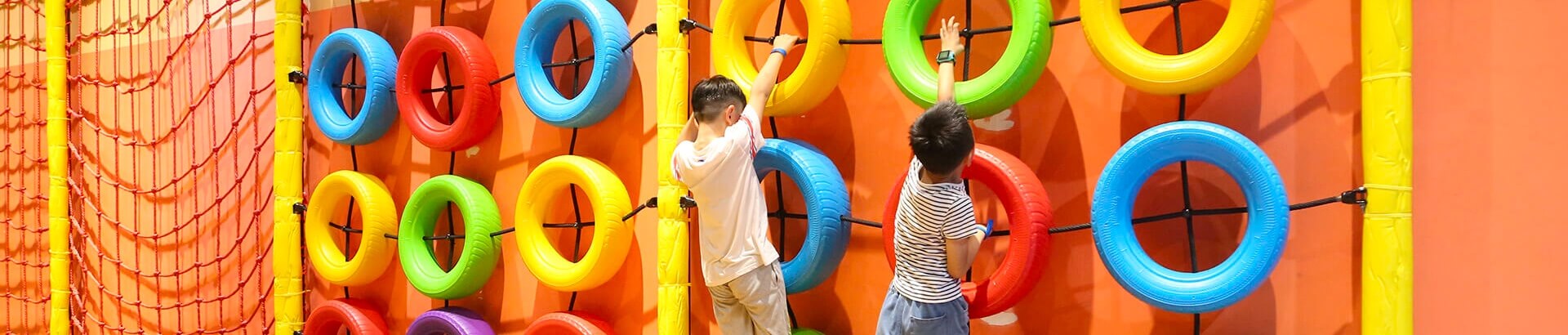
Before diving into the process of setting up a kids indoor soft playground, it’s important to understand what this type of facility is. A soft playground typically includes inflatable play structures, foam blocks, climbing walls, slides, and other soft materials that are safe for children. These play areas are designed for children to engage in physical activities in a controlled, indoor environment. The goal is to provide a place where kids can have fun, be active, and socialize while parents can feel assured that the space is safe and clean.
Indoor soft playgrounds are popular for birthday parties, family outings, school field trips, and as a fun, active learning environment. However, setting up such a facility involves careful planning, investment, and understanding of safety regulations.
The first step in opening a successful indoor soft playground is conducting thorough market research. Even if you are passionate about children’s entertainment, business decisions must be based on real data rather than assumptions. Understanding your local market helps you avoid overinvestment, reduce risk, and position your playground correctly from the start.
When evaluating demand, consider the following factors carefully:
Demographics
Analyze the number of families with young children within a 3–5 km radius of your intended location. Look at birth rates, kindergarten density, primary schools, and residential developments. A growing family-oriented community usually indicates strong potential demand for a kids indoor soft playground.
Competition
Identify existing playgrounds, trampoline parks, family entertainment centers, or similar attractions nearby. Visit them if possible. Study their:
Ticket pricing
Equipment types
Cleanliness and safety standards
Customer reviews and ratings
Peak and off-peak traffic
This helps you identify gaps in the market. For example, perhaps competitors lack toddler-only areas, party rooms, or premium-themed play structures.
Target Audience
While most soft playgrounds serve children between 2 and 12 years old, defining your primary segment is important. Are you focusing on:
Toddlers (2–5 years old)?
Preschool and early primary children (4–8 years old)?
A mixed-age family entertainment model?
Clear targeting allows you to design age-appropriate structures, safety standards, and pricing strategies.
After research, develop a structured business plan. This document will guide your decision-making and is often required if you seek investment or loans. Your plan should include:
Startup costs
Equipment purchase, interior renovation, rent deposit, insurance, staff training, and marketing launch expenses.
Revenue model
Entry tickets (hourly or unlimited play)
Membership programs
Birthday party packages
School group bookings
Additional services such as snacks or merchandise
Marketing strategies
Social media campaigns, local partnerships with schools and parenting communities, seasonal promotions, and loyalty programs.
Financial projections
Estimate monthly operating costs, expected daily visitors, break-even timeline, and long-term growth targets.
A well-prepared business plan transforms your idea into a structured, scalable project.
Location plays a decisive role in the success of an indoor soft playground. Even the best-designed play area may struggle if it is poorly located.
Ideally, your playground should be situated in an area with a high concentration of young families. When evaluating potential properties, consider:
Foot Traffic
Locations near shopping malls, supermarkets, schools, kindergartens, or residential communities often generate natural walk-in customers. Being close to family-oriented destinations increases visibility and impulse visits.
Accessibility
Ensure the location offers:
Convenient parking
Safe pedestrian access
Proximity to public transportation
Parents value convenience, especially when visiting with multiple children.
Space Requirements
Indoor soft playgrounds require adequate space not only for play structures but also for:
Reception and ticketing area
Parent seating zones
Shoe storage
Party rooms
Storage and staff areas
Ceiling height is also critical. Multi-level play structures often require sufficient vertical space for slides, tunnels, and climbing zones.
Selecting the right location increases visibility, accessibility, and long-term profitability.
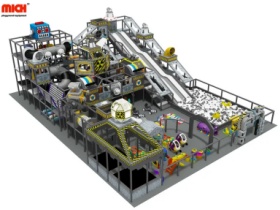
The design of your indoor soft playground directly affects customer satisfaction, safety, and repeat visits. A well-designed playground should be visually attractive, logically organized, and compliant with safety standards.
Key design considerations include:
Age-Appropriate Areas
Separate play zones for toddlers and older children reduce collision risks and improve the overall experience. Toddler areas may include:
Soft blocks
Mini slides
Low-height climbing elements
Older children may enjoy:
Multi-level climbing frames
Ball pits
Obstacle courses
Safety Features
Safety is the foundation of a successful indoor playground. Use:
Foam padding
Rubber flooring
Soft barriers
Rounded corners
Non-slip surfaces
Ensure all structures meet relevant safety standards and undergo regular inspection.
Variety of Activities
Children are more likely to return if the environment remains stimulating. Incorporate:
Slides and tunnels
Ball pits
Climbing walls
Interactive play panels
Role-play areas
A balanced mix of physical and imaginative play improves overall engagement.
Safety Barriers and Visibility
Install appropriate fencing and entry control systems to prevent children from wandering off. At the same time, ensure that parents can easily monitor their children from seating areas. Clear sightlines increase parental confidence.
Thoughtful design enhances not only fun but also operational efficiency and safety management.
Before you can open your indoor soft playground, you will need to ensure that your business complies with local regulations. These may include:
Health and Safety Permits: Depending on your location, you may need certifications to ensure your playground meets safety standards. This could include inspections for structural integrity, fire safety, and hygiene.
Insurance: Liability insurance is critical to protect your business in case of accidents or injuries. You should also consider property insurance for your equipment.
Business License: Register your business and obtain the necessary licenses to operate legally.
The equipment you purchase for your indoor soft playground will define the experience for your young visitors. High-quality, safe, and durable equipment is essential. When choosing equipment, consider:
Inflatable Play Structures: These are popular and can be customized with various themes. Make sure they are made of durable, non-toxic materials and meet safety standards.
Climbing Walls and Slides: Provide a range of activities to help develop physical coordination.
Soft Play Blocks: Foam blocks and soft mats provide safe options for toddlers to explore.
Interactive Games: Games that involve sensory elements, such as music, light, or touch, are also engaging for children.
At Zhejiang Mich Playground Co., Ltd., we specialize in designing and manufacturing safe, durable, and engaging play equipment tailored to the needs of kids indoor soft playgrounds.
Your staff will be responsible for maintaining a safe, clean, and enjoyable environment for children and parents. It’s essential to hire staff who:
Have experience working with children and understand the importance of supervision.
Are trained in first aid and emergency procedures.
Provide excellent customer service and help create a welcoming environment for families.
Training staff on safety measures, cleaning protocols, and customer service is crucial to maintaining a high standard of operation.
Once everything is set up, you need to get the word out. Effective marketing will help attract customers to your playground and keep them coming back. Some strategies include:
Local Advertising: Use local media, social media, and community events to promote your business.
Special Offers: Offer discounts for first-time customers or run promotions during holidays or school breaks.
Partnerships: Partner with local schools, daycare centers, or event planners to attract a consistent flow of visitors.
Opening a kids indoor soft playground can be a rewarding business, offering children a safe, fun, and engaging space while providing families with a valuable service. By carefully considering factors such as location, equipment, safety standards, and marketing, you can set up a successful operation that attracts and retains customers. At Zhejiang Mich Playground Co., Ltd., we are dedicated to supporting your business with high-quality, durable playground equipment and expert advice to ensure the safety and enjoyment of your young visitors. If you are looking to start your own indoor soft playground or upgrade your current setup, visit www.michplayground.com and contact our team to learn more.
1. What is an indoor soft playground?
An indoor soft playground is a safe and interactive space designed for children to play, featuring equipment like slides, climbing structures, ball pits, and soft play materials.
2. How do I choose the right equipment for a kids indoor soft playground?
Choose equipment that is safe, durable, age-appropriate, and engaging. Look for high-quality materials and structures designed specifically for children’s safety.
3. What permits do I need to open an indoor soft playground?
You will need health and safety permits, insurance, and a business license. Regulations vary by location, so make sure to check local laws.
4. How can I attract customers to my indoor soft playground?
Effective marketing strategies include local advertising, partnerships with schools, social media promotions, and offering special discounts or events.