- All
- Product Name
- Product Keyword
- Product Model
- Product Summary
- Product Description
- Multi Field Search

Views: 1 Author: Site Editor Publish Time: 2026-03-06 Origin: Site
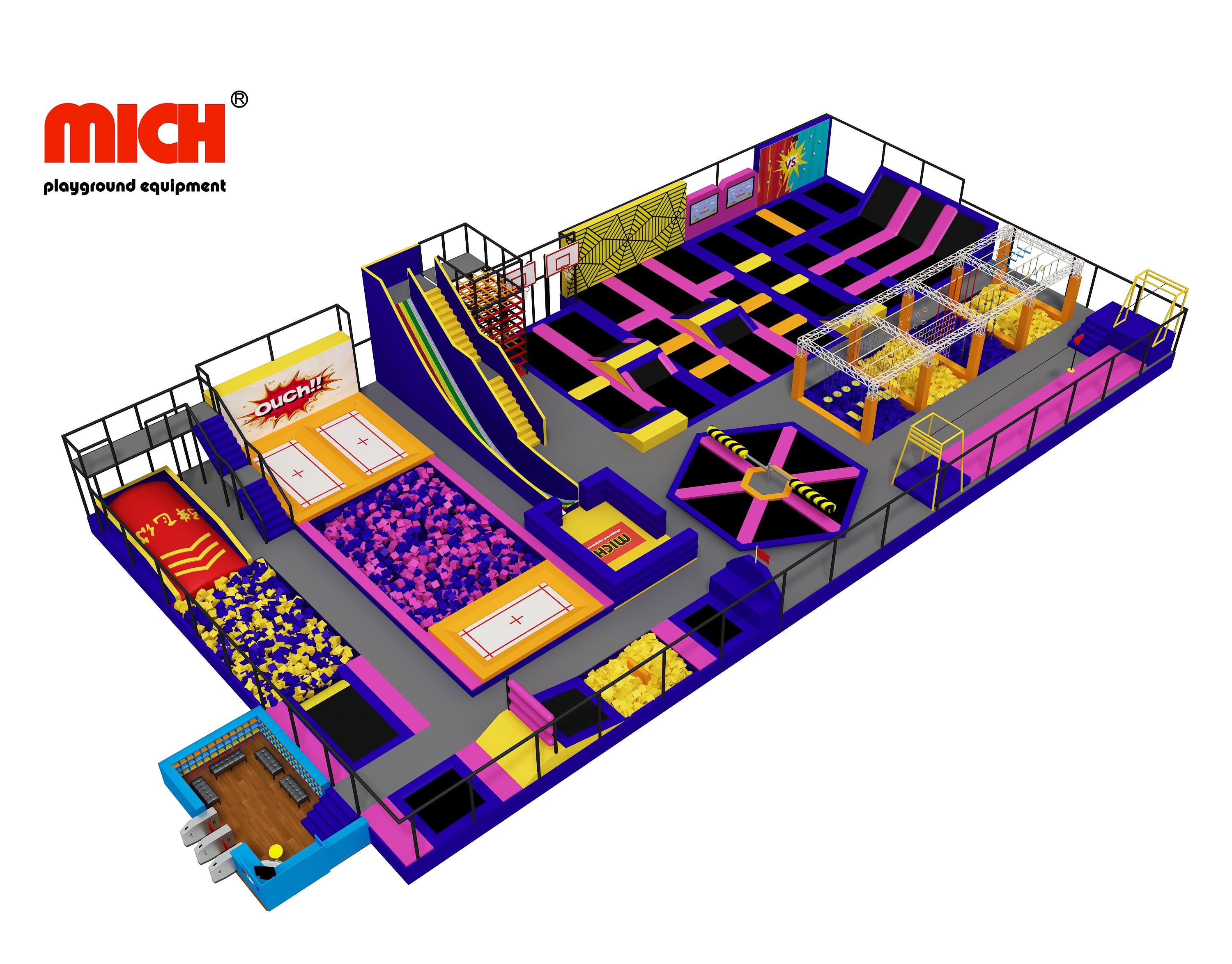
You want a trampoline park that is safe and fun. Trampoline park safety is important for families and workers. Everyone should have a safe place to play. Custom trampoline zones and cool designs help keep you safe. They can change to fit what you need. Indoor trampoline parks use new safety features. They also use layouts that can be changed. This keeps things fun and safe. These choices make it easier to follow rules. It also helps with insurance needs. Outdoor trampoline parks do not make this as easy. MICH gives you good trampoline solutions for any space.
Padded surfaces help stop injuries because they absorb shocks. You should pick parks that use good padding for more safety.
Safety netting works as a wall to stop people from falling. Make sure parks have strong nets that follow the rules.
Emergency exits need to be easy to see and reach. Learn where the exits are so you can leave fast if needed.
Customizable zones, like foam pits and toddler areas, make things safer and more fun. Pick parks that have places for all ages and skill levels.
Regular checks and trained staff are very important for safety. Go to parks that care about fixing things and teaching their staff to keep everyone safe.
Jumping should feel safe for everyone. Padded surfaces help stop injuries at trampoline parks. Most parks use closed-cell polyethylene foam. This foam is good at soaking up shocks and lasts a long time. Some parks use more layers of foam with strong vinyl on top. These materials cover the frames, springs, and walls. They help stop bumps and bruises.
Wall-to-wall padding lowers the chance of falling or getting hurt. Even with padding, some people can still get injured. This means padding helps, but you still need to be careful.
Parks that follow ASTM F2970 rules use padding made to absorb impacts. Using this padding can lower wall injuries by 40%. Insurance costs can go down when parks use better padding. Some parks save up to $15,000 each year on insurance after changing their wall padding.
Safety nets are very important in trampoline parks. They act as barriers to stop you from falling off onto hard ground. This helps prevent serious injuries. Safety netting goes around jumping areas and keeps different zones apart. You can jump and feel safer knowing a net is there.
Safety nets must follow industry rules.
Parks need enough trained staff to watch everyone.
Safety checks and repairs keep nets working well.
Better designs, like safety nets, make parks safer. The best results happen when parks follow all safety rules and keep nets in good shape.
You need to know how to leave fast if there is an emergency. Emergency exits are very important for safety. These exits must be easy to find and never blocked. Signs should show you where to go out. If there is a fire or other emergency, you can leave quickly and safely.
Emergency exit paths must be marked.
Exits should always be open and easy to reach.
New trampoline parks use smart safety features to protect you. Shock-absorbing floors, soft walls, and non-slip floors help stop injuries. Some parks use smart systems with sensors and AI. These systems listen for risky moves and warn you before you get hurt. Special lights and projections help guide you as you play.
Customizable zones make parks safer and more fun. Foam pits give you a soft place to land when you try tricks. Airbag systems let you land gently and try new things safely. Toddler areas have smaller trampolines and extra padding. These zones help little kids play safely and make parents feel better.
MICH uses these new safety features and zones in their parks. This helps you have fun and stay safe at the same time.
It is important to know the safety rules before going to a trampoline park. These rules help keep everyone safe and lower the chance of getting hurt. Many countries use rules like ASTM International guidelines. These rules talk about padding, supervision, and landing zones. Parks that follow these rules use airbags instead of foam pits. Airbags protect better and meet fire safety rules.
Here is how different places use safety rules:
Region | Adoption Rate of Airbags | Safety Standards |
|---|---|---|
North America | Over 60% | ASTM International guidelines |
Europe | Growing | Increasing safety standards |
Asia-Pacific | Growing | Increasing safety standards |
South America | Inconsistent | Challenges in enforcement |
Middle East & Africa | Inconsistent | Challenges in enforcement |
You can see that more places are using safety rules. When parks follow these rules, it is safer for everyone.
Look for parks that do regular checks and repairs. These steps help stop injuries and accidents. Staff check mats, springs, and nets every day. They fix any problems right away. Parks write down all repairs and checks. Outside experts also check parks to make sure they follow the rules.
Maintenance Protocol | Frequency |
|---|---|
Daily inspections | Daily |
Preventive maintenance schedules | Weekly, Monthly, Quarterly |
Staff training | Ongoing |
Documentation of maintenance | Continuous |
Immediate response to issues | As needed |
Third-party safety audits | Regularly |
You can trust parks that follow these rules. They keep things safe and lower the risk of getting hurt.
Weight limits are an important part of safety rules. Each trampoline and activity has a weight limit posted. These limits help stop injuries and protect the equipment. Here are some common weight limits:
General jumping areas: 30 to 300 pounds.
Foam pit attractions: maximum 250 pounds.
Battle beam activities: 50 to 200 pounds.
Weight limits are important for safety. They keep jumpers safe and help parks follow insurance and safety rules. Parks that follow these limits have fewer accidents and injuries.
Following safety rules keeps your good name, builds trust, and saves money. MICH helps you follow these rules so you can have fun and get good results.
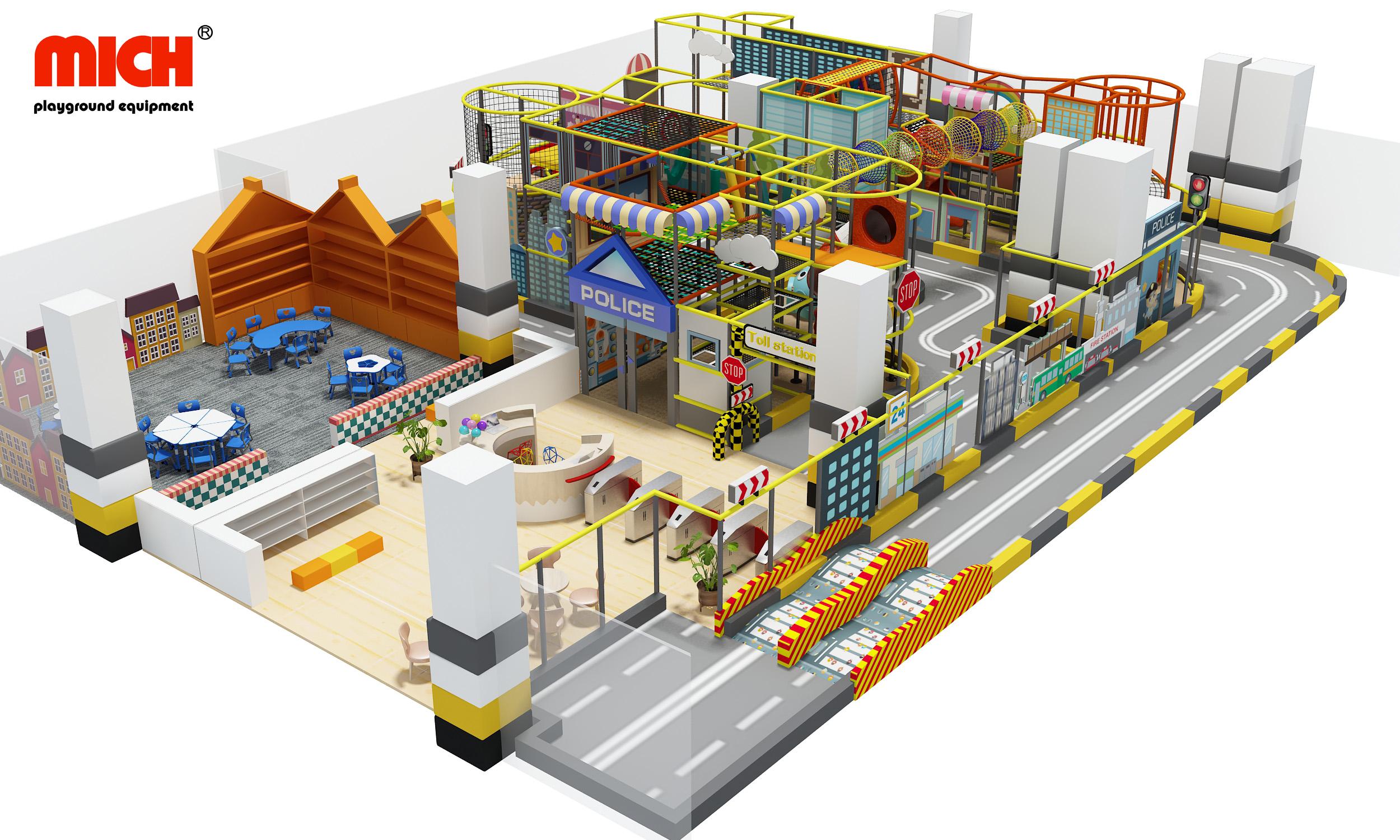
Trampoline parks have different areas for each age group. These zones help keep everyone safe. Babies, families, and skilled jumpers each get their own section. You jump in a space made for your age and skill. This lowers the chance of accidents. Shock-absorbing surfaces protect you if you fall. Some parks have special hours for teens or adults. You get a comfortable place to play and fewer bumps.
Babies jump in soft, padded zones.
Families use bigger trampolines together.
Advanced jumpers use high-performance trampolines.
You follow the rules for your area. This helps keep things safe and makes the park fun.
Clear signs help you find your way in the trampoline park. Signs show where to jump, walk, and exit. You see rules posted in every zone. This helps you know what you can do and what to avoid. Signs mark safe paths so you do not get lost.
Safety Feature | Description |
|---|---|
Proper Spacing | Enough space between trampolines stops collisions. |
Safety Padding | Cushions around trampolines lower injury risk. |
Safety Nets | Nets stop jumpers from falling off trampolines. |
Logical Flow | Layout guides you safely through the park. |
Clear Signage | Signs help you follow rules and find exits. |
Amenities Placement | Facilities stay easy to reach and safe. |
You trust the park when you see clear signs and paths. This helps keep everyone safe and moving.
Supervision is important in every trampoline park. Staff need to see all areas without blind spots. Good design helps staff watch activities. Supervisors stand where they can see everything. Staff use radios to respond quickly to problems. Training teaches staff how to handle emergencies. Regular checks remove hazards that block supervision.
Layouts without blind spots help staff watch jumpers.
Supervision posts cover all trampoline zones.
Staff use radios to respond fast.
You feel safer when staff can see you and react quickly. Good safety and clear rules make the park better.
Zoning strategies like ninja courses and dodgeball courts use space well and keep things safe. Ninja courses test your strength and agility. Dodgeball courts mix trampolines with classic games. Parks plan layouts to create safe paths and logical flow. You get a safe place and more fun. MICH helps you design parks with these features for the best experience.
Zoning Strategy | Advantages | Limitations |
|---|---|---|
Ninja Warrior Obstacle Courses | Builds agility and attracts many ages | Needs space and safety padding |
Dodgeball Courts | Exciting play and better throwing angles | Needs organization and extra space |
Staff help keep trampoline parks safe for everyone. They learn safety steps, how to check equipment, and what to do in emergencies. Staff have regular training to remember these rules. This training helps stop accidents and keeps safety high. Staff also work on their skills and fitness. They do strength and flexibility exercises. They practice on trampolines to get better. Certified coaches lead the training and make plans for each person. Staff watch videos to see how they move and improve their skills. Safety training helps staff know what to do if something goes wrong.
Staff learn safety steps and how to prevent problems.
Training teaches them to check equipment and handle emergencies.
Staff train often so they are always ready.
Certified coaches lead and check their progress.
Video helps staff get better at their jobs.
Before you jump, you learn the safety rules. Staff talk to you about how to act and stay safe. These talks help stop accidents and teach good habits. Signs and clear rules make safety easy to understand. Staff practice emergency drills often. You can ask questions if you need more help.
Safety Measure | Description |
|---|---|
Pre-Jump Briefings | Staff teach you safety rules and how to act before you jump. |
Staff give safety tips and explain the rules.
Briefings help you know how to stay safe.
Staff listen to your feedback to make talks better.
You see staff watching trampoline areas all the time. Good supervision means staff talk to jumpers and make sure rules are followed. Staff wear uniforms so you can find them fast. You can get help quickly if you need it. Parks say there should be one supervisor for every 20 to 30 jumpers. Staff use radios to talk and cover all areas. Studies show that having staff watch lowers injuries and helps keep people safe.
Evidence | Description |
|---|---|
Staff Engagement | Trained staff watch jumpers and make sure everyone follows the rules. |
Ratio of Supervisors | One supervisor for every 20-30 jumpers keeps things safe. |
Identification | Staff wear uniforms so you can find them if you need help. |
Staff watch all areas and act fast if needed.
Supervision stops unsafe actions and accidents.
Staff use good safety steps to protect you.
You stay safe and have more fun when you listen to staff and follow safety tips. Parks like MICH use trained staff, regular training, and good supervision to keep everyone safe.
You want a trampoline park that cares about safety. Parks with good safety rules and trained staff make you feel safe. When you see things like clear supervision zones and age-based access, you know the park cares about you. You have more fun when you trust the equipment and technology.
Families like to come back to parks that use technology for safety.
Trained staff and regular checks show the park cares about quality.
Technology lowers risks and makes your visit better.
Safety Feature | Description |
|---|---|
Protective Padding | High-density foam and technology keep you from getting hurt. |
Safety Nets & Enclosures | Technology helps keep you inside safe areas. |
Fall Protection | Deep foam pits use technology so you land softly. |
Supervision Zones | Technology lets staff see all parts of the park. |
Customization & Scalability | Technology helps parks change and grow for your needs. |
You have a better time when parks use technology and care about quality. Picking a park with these features helps you make great memories. MICH helps you have safe and fun trampoline adventures.
You can get injuries from landing wrong, colliding with others, or trying risky tricks. Most injuries happen when you do not follow safety rules. Staff help prevent injuries by watching jumpers and teaching safe moves.
You should listen to staff, follow all posted rules, and jump in your age group area. Warm up before you jump. Avoid flips if you are not trained. These steps lower your risk of injuries and help you enjoy trampoline parks safely.
Young children can have fun in trampoline parks when you use special toddler zones. These areas have extra padding and lower trampolines. Staff watch closely to prevent injuries. You should always supervise your child to reduce the chance of injuries.
You should tell a staff member right away if you see injuries. Staff know first aid and can help quickly. Do not move someone with serious injuries. Wait for trained help. Fast action can stop injuries from getting worse.
Weight limits help prevent injuries and protect equipment. You should check posted limits before jumping. Following these rules lowers the chance of trampoline park injuries. Parks like MICH set clear limits to keep you safe.