- All
- Product Name
- Product Keyword
- Product Model
- Product Summary
- Product Description
- Multi Field Search
Views: 0 Author: Site Editor Publish Time: 2026-06-07 Origin: Site
Sourcing commercial playgrounds directly from overseas manufacturers offers significant cost efficiencies. The physical assembly is where theoretical savings often collide with real-world logistical hurdles. A pile of unassembled steel, plastic, and hardware is useless without precise, compliant installation. Buyers face a massive risk gap. You must bridge the 6,000-mile distance between the factory floor and the local project site while navigating language barriers, missing parts, and strict local safety codes. To mitigate these risks, buyers must rigorously evaluate the installation support models offered by suppliers before issuing a purchase order. This guide breaks down the tiers of installation support provided by overseas manufacturers, how to audit their capabilities, and frameworks for ensuring local compliance when importing play equipment china.
Defining what constitutes a successful installation requires looking beyond just bolting parts together. Structural integrity, strict adherence to safety fall zones, timely completion, and passing third-party safety inspections all determine a project's ultimate success. If any of these elements fall short, the playground cannot open to the public. You need a structure that withstands heavy daily use, harsh weather conditions, and rigorous safety audits.
There is an inherent risk gap between manufacturing and assembly when importing complex structures. A supplier may build a flawless product on their factory floor. If local contractors cannot interpret the assembly instructions, the project will fail. The transition from a controlled factory environment to an unpredictable outdoor job site introduces numerous variables. Uneven terrain, unexpected weather, and local labor skill levels can derail your timeline.
Common failure points during the installation of imported equipment include poorly translated manuals, unmarked hardware, structural alignment errors, and the lack of real-time troubleshooting support. Time zone differences compound these issues. Without robust support from your manufacturer, a simple missing bolt can halt a crew of five workers for days. This destroys your project budget and delays the grand opening.
Understanding the level of support you need is the first step in vetting suppliers. Manufacturers generally offer three distinct tiers of installation assistance. You must align these tiers with your local labor capabilities and project budget.
The baseline level of support relies heavily on detailed deliverables. This tier includes 3D exploded view diagrams, CAD files, foundation plans, and step-by-step PDF manuals. These documents must clearly illustrate exactly how each component connects. They need to specify hardware types, torque requirements, and concrete footing depths. A good manual leaves no room for guesswork on the job site.
Remote troubleshooting forms the backbone of this tier. Logistics usually involve scheduled video calls and dedicated WhatsApp or WeChat support groups. You need English-speaking project managers on the other end. Response time service level agreements ensure your on-site crew isn't left waiting for answers during crucial build phases. If a deck doesn't align with a slide, your crew needs immediate guidance.
This model is an ideal fit for buyers with experienced local playground installers who only need accurate schematics. If your crew understands standard clamp-and-pipe systems, high-quality documentation is often sufficient. They already know how to square a site, pour footings, and plumb posts.
Under the supervision model, the manufacturer sends one or two lead engineers to your site. They direct a locally hired, unskilled or semi-skilled labor crew. The engineer brings intimate knowledge of the product's engineering. Local laborers handle the heavy lifting, concrete mixing, and material staging.
Buyers must understand the logistical realities of this model. Financial responsibilities typically include the engineer's daily wage, round-trip airfare, visa processing, accommodation, and local transportation. You must calculate these expenses upfront. Compare them against the cost of hiring a specialized local installation firm.
To mitigate risks like visa approvals and language barriers on-site, top-tier suppliers send engineers with basic English proficiency. They also utilize translation apps effectively. Clear communication protocols established before the engineer arrives are critical. The engineer must be able to instruct the local crew on safe lifting techniques and proper tool usage.
Mature manufacturers maintain networks of certified, independent installation contractors in major target markets. You will find these networks in North America, Europe, and Australia. These global networks bridge the gap between overseas manufacturing and local execution. They remove the burden of managing international labor logistics from the buyer.
The value of this model lies in seamless integration. The local partner already understands the manufacturer's engineering quirks. They handle the entire build from site prep to final inspection. This ensures local compliance without the buyer needing to manage international logistics. It offers a true turnkey solution for complex installations.
| Support Tier | Deliverables | Best Fit For | Buyer Responsibility |
|---|---|---|---|
| Tier 1: Remote Support | 3D CAD manuals, foundation plans, WhatsApp support | Experienced local playground installers | Hiring full local crew, managing entire build |
| Tier 2: On-Site Supervision | 1-2 Factory Engineers on site | Buyers with access to cheap general labor | Visas, flights, lodging, hiring local laborers |
| Tier 3: Turnkey Partners | Full local installation by certified network | Hands-off buyers wanting guaranteed compliance | Site access, final payment upon inspection |
You cannot take a supplier's word regarding their installation support. You must audit their capabilities before transferring any funds. A rigorous vetting process separates professional manufacturers from basic export traders.
Before signing any contract, execute the sample manual test. Request an installation manual for a past project of similar complexity. This allows you to evaluate the supplier's documentation standards. Do not accept generic brochures. You need to see actual assembly instructions.
Evaluation criteria should focus on the clarity of English and visual clarity of 3D renderings. Look for specific torque requirements for bolts and clear foundation depth requirements. If the sample manual is confusing, lacks critical dimensions, or uses poor translations, expect the same poor quality for your actual project. Your field crew will struggle to interpret vague diagrams.
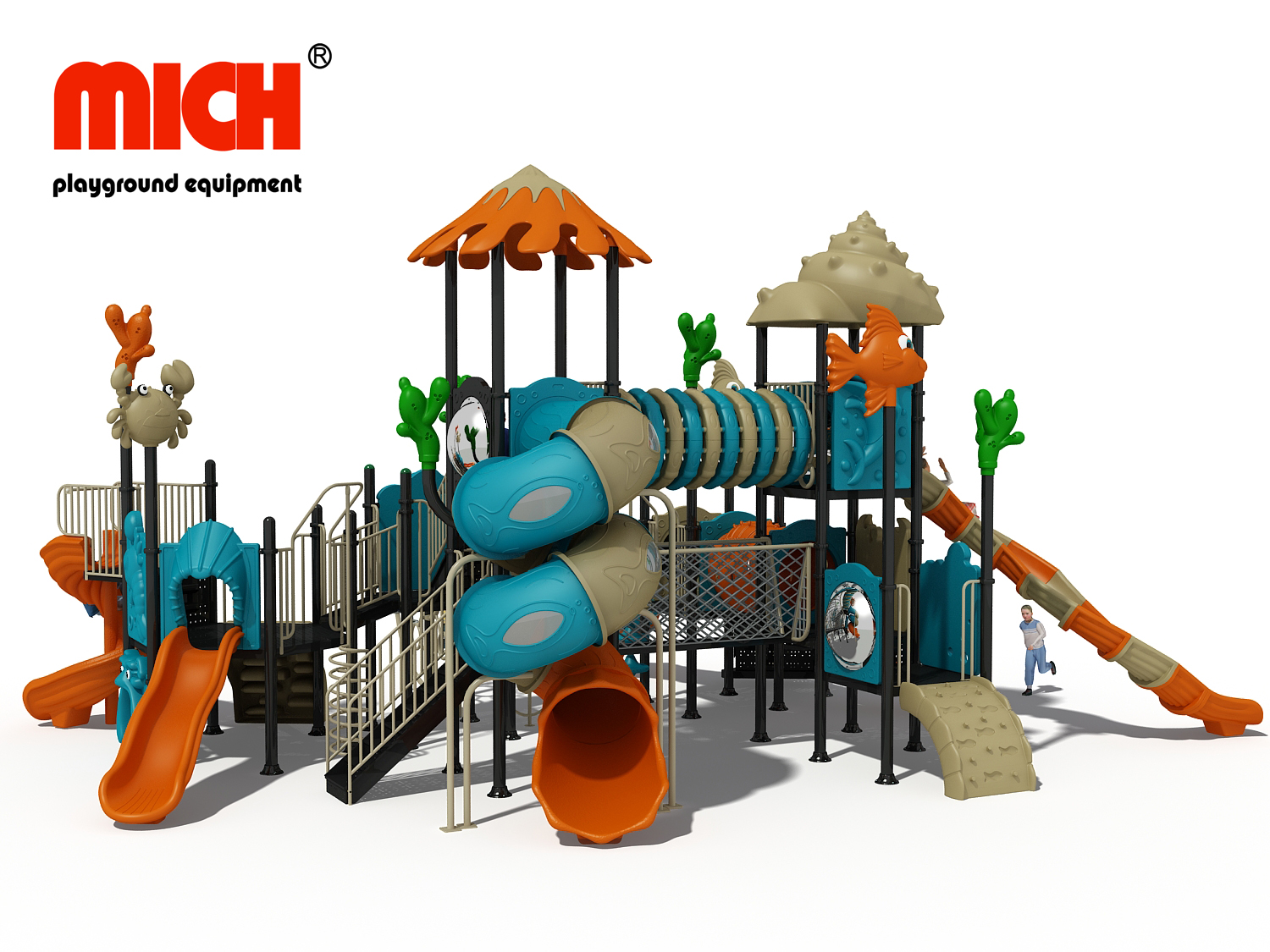
Mock assembly verification is a hallmark of a reliable China Playground Equipment Manufacturer. Top-tier manufacturers perform a complete pre-assembly of the steel frameworks, tube slides, and platform connections at the factory. They do this prior to painting and packing.
This pre-assembly step identifies and corrects manufacturing tolerances. It catches thermal deformation of plastics and misaligned bolt holes before the cargo is loaded into containers. It prevents structural misalignment that would otherwise cause massive delays on your job site. Forcing misaligned steel posts in the field compromises the structural integrity of the playground.
Vet suppliers based on whether they provide video or photographic proof of the successful pre-assembly testing of your specific order. Visual documentation guarantees that the parts actually fit together. Demand to see your exact layout assembled on their factory floor.
The unboxing experience directly impacts installation speed. If parts are thrown into a container randomly, your crew will waste days just sorting and identifying components. Time spent searching for the right bracket is money wasted on hourly labor.
A rigorous systematic labeling system is necessary. Every pipe, deck, and hardware box must be numbered to correspond exactly with the master installation map. Clear labels allow the installation crew to stage materials efficiently around the site. Posts go near the footings, decks stay in the staging area, and hardware remains secured until needed.
Credible suppliers intentionally over-supply critical hardware like bolts, nuts, and caps by three to five percent. They account for on-site losses. Hardware redundancy ensures that a dropped bolt in the dirt doesn't stop the entire build.
The financial impact of a local installation crew standing idle because a specific bracket is missing can be devastating. The cost of idle labor quickly eats into any savings gained from importing the equipment. You are paying for machinery rentals and crew wages while waiting for a single piece of steel.
Negotiate terms for rapid replacement through strict service level agreements. Reliable suppliers should commit to air-freighting missing or defective parts at their own expense within 48 to 72 hours. This commitment proves they stand behind their quality control processes. Get this SLA in writing before paying the deposit.
Importing equipment is only half the battle. The final structure must pass strict local safety regulations. Failing an inspection means the playground stays fenced off, and you face expensive rework.
While the equipment may be manufactured to ASTM or CE standards, the actual installation must also meet these codes. Spacing, entrapment hazards, and hardware tightening are all evaluated during the final inspection. A perfectly manufactured slide becomes a hazard if installed at the wrong angle.
Hire a certified local playground safety inspector to audit the installation post-assembly. Ensure the overseas supplier guarantees their design will pass this audit. They must provide necessary modifications if the inspector flags any compliance issues. Your local crew must follow the manufacturer's spacing guidelines exactly to avoid head entrapment hazards.
The supplier must provide accurate footing diagrams and concrete specifications well before the equipment arrives. Foundation prerequisites dictate the layout of the site. Footings must be dug to the correct depth below the frost line. Concrete must cure properly before heavy steel is attached.
The installation of the equipment must coordinate with the installation of impact-attenuating surfacing. This protects users during falls. Safety surfacing coordination ensures that materials like poured-in-place rubber or engineered wood fiber are installed at the correct depths. You cannot install surfacing until the equipment footings are fully cured and inspected.
Ensure the supplier's deck heights match local safety regulations. The corresponding surface thickness requirements must be detailed in the installation blueprints. Critical fall height calibration is non-negotiable for public safety and liability protection. If a deck is 8 feet high, your surfacing must be rated for an 8-foot fall.
| Surfacing Type | Typical Depth Required | Critical Fall Height Rating |
|---|---|---|
| Engineered Wood Fiber (EWF) | 9 to 12 inches | Up to 10 feet |
| Poured-in-Place Rubber (PIP) | 2 to 5 inches (varies by mix) | Up to 12 feet |
| Rubber Tiles | 2.5 to 4 inches | Up to 8 feet |
You must calculate the true project expenditure before deciding on an installation model. The cheapest upfront option often hides massive backend costs if things go wrong on site.
Financial modeling requires comparing the total cost of the project across different installation methods. Compare the high hourly rates of specialized local playground installers against the travel and visa costs of importing a factory engineer to lead cheaper general labor. A local specialized crew might charge a premium, but they bring their own tools and finish the job in half the time.
Analyze how the choice of installation support impacts the project timeline. A factory engineer might assemble the equipment faster due to product familiarity. However, visa delays could push the start date back by months. Local contractors are available immediately but might struggle with poorly translated manuals.
Anticipate the cost of renting heavy equipment necessary for raising heavy steel columns and high-altitude roofs. Forklifts, telehandlers, and boom lifts add significant daily expenses to the installation budget. If your crew is delayed by missing parts, you still pay the daily rental fee for the telehandler.
Plan for local safety mandates during assembly. This includes safety harnesses, lanyards for boom lift operators, and restricted-access fencing. Site safety compliance protects your workers and prevents regulatory fines. OSHA inspectors will shut down a site if workers are on high decks without fall protection.
Financial risks multiply if the site is not ready when the factory engineer arrives. If heavy machinery is rented but delayed by missing documentation, you bleed money. Site readiness requires strict coordination between the supplier's shipping schedule and the local contractor's availability. Do not schedule the crane until the container is physically on your site.
Establish frameworks for determining who absorbs the cost of rework if the installation fails a safety inspection. Accountability must be clearly defined in the contract. You must distinguish between poor manufacturer instructions and local contractor execution errors when installing Commercial Play Equipment. If the manual says to space posts 48 inches apart, and the contractor spaces them 50 inches apart, the contractor pays for the rework.
Importing commercial play equipment is only as successful as its installation. The cheapest equipment quote is a liability if it lacks robust assembly support. Shortlist suppliers by demanding sample manuals, verifying factory pre-assembly practices, checking hardware labeling protocols, and calculating the true cost of on-site factory supervision versus local turnkey partners.
To ensure a smooth project execution, take the following steps:
A: Reputable commercial suppliers provide 3D CAD manuals in English. Buyers must verify the quality pre-purchase by requesting sample manuals from past projects. This ensures translations are clear, technical specifications are accurate, and torque requirements are explicitly stated for field crews.
A: Most manufacturers do not send a full labor crew. They utilize a supervision model where one or two lead engineers travel to your site to direct a locally hired labor crew. The buyer is responsible for travel, visa, and accommodation costs.
A: Standard industry practice for reliable suppliers involves air-freighting replacement parts at their own expense within 48 to 72 hours. It is crucial to negotiate this service level agreement upfront in the contract to avoid costly site delays and idle labor charges.
A: Standardized clamp-and-pipe systems are universally understood by experienced playground installers. As long as the manufacturer provides accurate, well-labeled schematics and redundant hardware, local professionals can execute the build successfully without factory supervision.
A: Choose a manufacturer that conducts pre-shipment factory trial installations. This mock assembly process verifies structural alignments, identifies thermal deformations, and ensures all bolt holes match perfectly before the equipment is dismantled and packed into shipping containers.
A: Liability is divided between the manufacturer's design compliance and the local installer's execution. The manufacturer is responsible if the design violates safety codes. The installer is liable if they fail to follow the provided instructions or alter fall zones.
A: Timelines vary widely based on equipment size, crew experience, and the quality of the manufacturer's labeling system. A well-documented, pre-assembled medium structure takes a professional crew 3 to 7 days. Complex custom builds requiring heavy machinery may take several weeks.