- All
- Product Name
- Product Keyword
- Product Model
- Product Summary
- Product Description
- Multi Field Search

Views: 8 Author: Site Editor Publish Time: 2025-10-17 Origin: Site
The modern trampoline park has revolutionized recreational jumping, transforming backyard bouncing into a massive, multi-faceted indoor experience. The rise of the commercial trampoline park industry has been meteoric, driven by the appeal of interconnected jumping surfaces, foam pits, and gravity-defying games. However, with this surge in popularity, the associated risks have also come into sharp focus. For anyone considering a visit to a trampoline park, or for entrepreneurs interested in the business of a trampoline park, understanding safety protocols and injury statistics is paramount. The fundamental question that drives safety research in this sector is: What is the most common injury sustained at a trampoline park?
Statistically and clinically, the most common injury type seen in a trampoline park setting is the fracture, specifically of the lower extremities. While minor sprains, strains, and abrasions are frequent occurrences, fractures—especially those affecting the ankle, tibia (lower leg bone), and femur—account for the majority of severe injuries requiring emergency medical intervention. These injuries often result from improper landings, collisions with other jumpers within the trampoline park structure, or "double-bouncing," where a person is unexpectedly propelled higher by another person landing nearby on the same or an adjacent trampoline park mat. The dynamic, unpredictable environment of a busy trampoline park inherently increases these risks compared to a single-person backyard trampoline setup. Every trampoline park operator must prioritize safety guidelines and robust trampoline park equipment to mitigate these critical risks. The sheer volume of jumpers in a successful trampoline park means rigorous adherence to rules is essential for minimizing the high rate of lower limb trauma, which can be devastating for the young demographic that frequents the trampoline park.

The mechanism of injury at a trampoline park is often rotational or axial loading, particularly concerning the joints that bear the brunt of the kinetic energy upon landing. A trampoline park environment, with its large surface area and multiple zones, creates unique risk factors.
Fractures of the tibia and fibula, often spiral fractures, are disproportionately common, particularly in children under the age of 10. This is attributed to the relative flexibility and immaturity of their bones, which are less able to withstand the shearing forces generated by an awkward landing or a forceful double-bounce within a trampoline park. The design of the trampoline park equipment, while engineered for safety, cannot eliminate the risk associated with human error and interaction. Proper training for trampoline park summer camp staff and strict enforcement of the trampoline park age limit are key preventative measures against these lower extremity issues. The design of specific areas, such as the basketball trampoline park dunk zones, must account for the high kinetic energy involved in competitive maneuvers. Ensuring jumpers adhere to the trampoline park weight limit is also critical, as exceeding capacity can compromise the mat tension and increase the risk of bottoming out, leading to more severe lower-limb injuries across the entire trampoline park.
Injury Type | Common Cause in Trampoline Park | Severity Level | Prevention Focus |
Lower Limb Fracture | Awkward landing, double-bouncing, falling into padding gap. | High (Emergency Medical Care) | Age/Weight limits, supervision, landing technique. |
Spinal Cord/Neck Injury | Somersaults/flips performed improperly, landing on head/neck. | Critical | Strict no-flips rule, padded structures. |
Upper Limb Injury | Falling onto outstretched hand (FOOSH), foam pit entry error. | Medium (Fractures, dislocations) | Safe entry/exit, proper technique in specialized zones. |
Concussion/Head Injury | Collision with another jumper, hitting a structural component. | High | Zoned jumping, staff vigilance, enforced spacing within the trampoline park. |
While less common than lower extremity fractures, head and neck injuries, including devastating spinal cord trauma, are the most severe risks in any trampoline park. These injuries typically occur when a jumper attempts a flip or somersault and lands improperly on their neck or head. The vast majority of trampoline park manufacturers and operators strictly prohibit unassisted flips for safety reasons. Training the trampoline park summer camp attendees on proper technique in specific areas helps, but ultimate responsibility lies with adherence to the trampoline park age limit and clear rules regarding acrobatics. Even in advanced zones like the ninja kids trampoline park courses or the high altitude trampoline park sections, trained spotters and clear signage are non-negotiable safety requirements to protect jumpers within the trampoline park environment.
Operating a successful and safe trampoline park requires far more than just purchasing trampoline park equipment; it demands strict adherence to global safety standards, rigorous maintenance, and robust staffing protocols. This section delves into the operational considerations that define the safety profile of a modern trampoline park.
For entrepreneurs, a key initial concern is how much does it cost to start a trampoline park. The capital expenditure is substantial, often running into millions of dollars, largely driven by the cost of high-quality trampoline park equipment and constructing the necessary facility infrastructure. The initial investment also includes critical safety components and staff training. The process of how to start a trampoline park mandates a deep dive into safety compliance, insurance, and local building codes.
Cost Component | Percentage of Total Initial Investment | Safety Relevance |
Trampoline Park Equipment (Mats, springs, padding, frames) | 40-50% | Direct impact on injury prevention (must meet ASTM standards). |
Real Estate/Leasehold Improvements | 20-30% | Layout design, dedicated safety zones, exit routes. |
Operational Technology (POS, Waivers) | 5-10% | Enforcement of trampoline park weight limit and trampoline park age limit. |
Staffing and Training | 10-15% | Crucial for active supervision and rule enforcement across the trampoline park. |
Partnering with reputable trampoline park manufacturers is vital to ensure that the core equipment meets stringent international safety standards, such as those set by ASTM (American Society for Testing and Materials). These standards dictate the quality of springs, padding thickness, netting integrity, and the layout of the trampoline park. An established jump trampoline park brand will typically have partnerships with top-tier trampoline park manufacturers to ensure quality control, which directly impacts jumper safety and minimizes the risk of component-related accidents in the trampoline park.
Modern trampoline park designs incorporate innovative safety features. For example, some facilities feature an air trampoline park, which is an inflatable structure that minimizes impact risk, particularly popular for younger children. The growing popularity of ninja kids trampoline park areas requires specialized safety matting and overhead padding, as the activities involve complex climbing, swinging, and falling maneuvers, necessitating a unique safety approach within the broader trampoline park. Another modern trend is the glow in the dark trampoline park night sessions, which require specific lighting design and increased staffing to compensate for reduced visibility, ensuring safety is not compromised for the aesthetic experience of the trampoline park. The successful integration of specialized zones like the basketball trampoline park requires careful consideration of the run-up and landing spaces to prevent dangerous falls outside the designated area of the trampoline park.
The safety equation in a trampoline park is a shared responsibility between the operator and the customer. Adhering to specific guidelines is essential for a safe and fun experience.
A common question is what to wear to a trampoline park. The general rule is comfortable, athletic clothing without sharp or protruding elements. However, the single most critical piece of personal safety gear mandated by nearly every trampoline park is specialized footwear. These are trampoline park socks, which are typically grip socks featuring rubberized treads on the sole. These trampoline park socks are non-negotiable and are designed to maximize traction on the trampoline mats, reducing the risk of slips, falls, and the associated rotational injuries that contribute to the most common lower extremity trauma in a trampoline park.
Every trampoline park operates under defined constraints to maintain safety:
1. Trampoline Park Age Limit: Most facilities enforce a minimum age, often around three years old, for general access. However, specialized, lower-impact areas, such as trampoline park toddler time, are designed for children under five. This dedicated slot offers a safer environment with lower crowd density, mitigating collision risk for the smallest jumpers in the trampoline park.
2. Trampoline Park Weight Limit: This is a crucial, non-negotiable safety measure. The trampoline park weight limit is set by the equipment manufacturer and relates directly to the maximum load a single trampoline mat, spring system, and frame can safely withstand. Exceeding this limit compromises the structural integrity and increases the risk of equipment failure or a dangerous "bottoming out" effect. A comprehensive trampoline park will have clear signage and staff trained to monitor compliance with the trampoline park weight limit.
3. No Double Jumping/Riding: This rule is specifically aimed at preventing the "double-bounce" effect, the primary cause of many lower limb fractures. Collisions and the unpredictable forces generated by two jumpers on the same mat are extremely dangerous in a trampoline park.
To manage visitor flow and provide diverse experiences, many trampoline park venues offer various passes and programs. A popular option is the trampoline park summer pass, which provides cost-effective access for frequent visitors during the high-traffic season. These passes require the trampoline park to maintain even higher levels of supervision during peak periods. Similarly, trampoline park summer camp programs often involve structured activities and lower-risk games supervised by trained counselors, offering a safer way for children to engage with the trampoline park environment over multiple days.
The draw of the modern trampoline park is the variety of high-energy, fun activities it offers. Understanding the risks specific to each zone is vital.
The basketball trampoline park area, dedicated to "sky-slam" dunks, is an extremely popular attraction. While the goal of this area is athletic prowess, the primary risk comes not from the dunking itself, but from the landing and the run-up. Jumpers, particularly athletic teens and young adults, generate high vertical forces. Staff must ensure that jumpers land correctly on the designated matting and not on the surrounding padding or structural elements of the basketball trampoline park setup. The enforcement of safe jumping techniques is critical here, more so than in general jumping zones of the trampoline park.
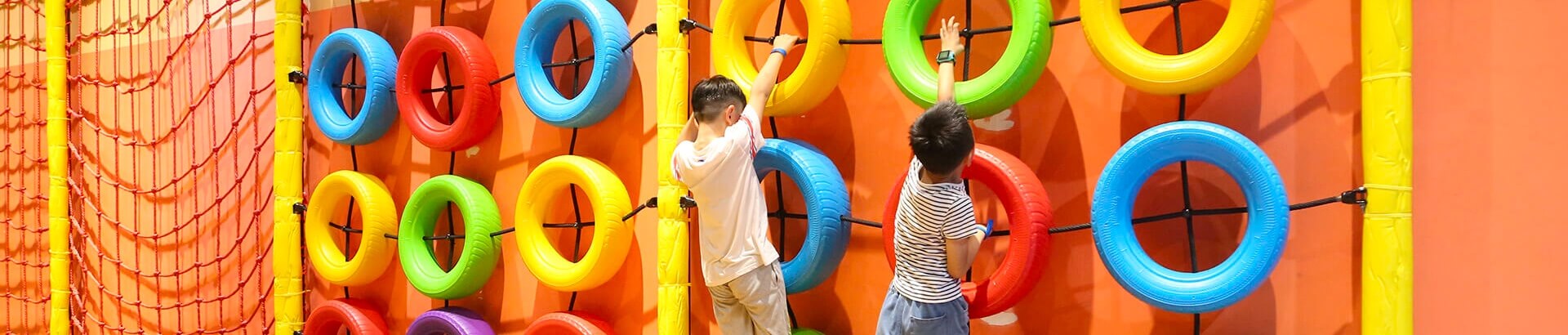
The ninja kids trampoline park areas, inspired by obstacle course racing, involve risk from falling and impact with hard surfaces. While foam pits or airbag landings are usually provided, improper entry into these soft zones can still result in injury. Similarly, the high altitude trampoline park components, which may involve higher walls or platforms, introduce the risk of falls from a greater height. The design of these areas, often overseen by trampoline park manufacturers specializing in custom builds, must incorporate safety barriers and impact absorption materials that far exceed the requirements of a simple jump trampoline park area. The continuous monitoring of participants in these high-risk areas is a top priority for any reputable trampoline park.
The trampoline park birthday party is a mainstay of the business model. While these events are highly lucrative, managing a large, excited group of children poses a unique challenge to the trampoline park staff. Designated party hosts must function as safety monitors, constantly ensuring that the party participants adhere to the rules, especially the trampoline park age limit rules if younger siblings are present. This high-energy environment requires proactive supervision to prevent the very common collision and double-bouncing incidents that plague any busy trampoline park.
Novelty themes, such as the glow in the dark trampoline park experience, are effective marketing tools but must be managed with safety first. The future of the trampoline park may involve further specialization, potentially leading to more advanced concepts, though the term helium trampoline park is generally a fun misnomer used by some operators to suggest a light, high-flying experience, rather than a literal use of the gas. The constant evolution of trampoline park equipment and design is driven by a desire to both maximize fun and minimize the injury rate, particularly the persistent threat of lower extremity fractures.
Q1: What exactly is a jump trampoline park and how is it different from an air trampoline park?
A: A jump trampoline park is a general term for a facility featuring standard, spring-based trampoline beds connected by padding. This is the traditional model used for activities like the basketball trampoline park and dodgeball. An air trampoline park, in contrast, is an inflatable, air-filled structure. Air parks offer a softer landing surface, making them popular for trampoline park toddler time and minimizing the rotational forces that cause the common lower-limb fractures seen in spring-based trampoline park environments. Both require strict adherence to the trampoline park weight limit to ensure structural integrity and jumper safety.
Q2: Are there specific safety standards for trampoline park equipment?
A: Yes. Reputable trampoline park manufacturers adhere to global standards, primarily ASTM F2970, which covers the design, testing, and operation of trampoline park structures. This standard covers padding thickness, frame strength, netting integrity, and the necessary maintenance schedules for all trampoline park equipment. Operators must conduct daily checks and follow guidelines on wear and tear to ensure the integrity of their trampoline park remains high. This ensures the best possible safety profile for every trampoline park experience.
Q3: How often do I need to replace my trampoline park socks?
A: Trampoline park socks are designed to be reusable, but the rubberized grips are subject to wear. It is crucial to use socks with intact, high-grip treads every time you visit a trampoline park. If the grips are worn smooth, the socks should be replaced immediately, as their primary function is to prevent slipping—a major cause of injuries within the trampoline park—especially in the high-momentum zones of the ninja kids trampoline park courses.
Q4: Can an adult join trampoline park toddler time?
A: Trampoline park toddler time is specifically designed for preschoolers (usually ages 5 and under) and their parents or guardians. While adults are permitted to enter to supervise, they must adhere to the rules that prioritize the safety of the younger children, which includes very light, slow jumping, or simply walking on the mats. The activity is low-impact, mitigating the risk of larger adults accidentally causing a double-bounce that could injure a toddler in the trampoline park.
Q5: What is the appeal of a trampoline park summer camp?
A: A trampoline park summer camp offers a structured, week-long program that combines physical activity, skill development, and social interaction within the safe boundaries of the trampoline park. Unlike unstructured general jumping, camps often include specific training in areas like the basketball trampoline park or beginner ninja kids trampoline park obstacles, all under continuous, professional supervision. The structured nature of the trampoline park summer camp significantly reduces the risk of random collisions.
The trampoline park industry continues to mature, driven by innovative concepts such as the ninja kids trampoline park obstacles and the unique aesthetic of the glow in the dark trampoline park experience. As facilities evolve from simple interconnected mats to complex aerial playgrounds—including specialized features like the high altitude trampoline park and the increasingly common basketball trampoline park areas—the risk profile shifts, but the core danger remains consistent: lower extremity fractures.
For the user, safety starts with awareness—understanding what to wear to a trampoline park, wearing the required trampoline park socks, and respecting the trampoline park weight limit. For the operator, it means committing significant capital (reflecting the true cost of how much does it cost to start a trampoline park) to certified trampoline park equipment from reliable trampoline park manufacturers. Whether hosting a high-energy trampoline park birthday party or running a structured trampoline park summer camp, continuous staff vigilance and strict enforcement of the trampoline park age limit are the most effective tools to combat the prevalence of fractures and ensure the longevity and success of the trampoline park model. The future promises safer trampoline park designs, ensuring that the thrill of the jump remains the focus, not the risk. The jump trampoline park has become a fixture in modern leisure, and its success hinges on its unwavering commitment to minimizing the single most common, and potentially debilitating, injury. Every trampoline park must maintain its safety commitment.