- All
- Product Name
- Product Keyword
- Product Model
- Product Summary
- Product Description
- Multi Field Search

Views: 0 Author: Site Editor Publish Time: 2026-09-28 Origin: Site
Overseas manufacturing dominates the global toy and recreation market. The vast majority of outdoor play structures and garden toys originate internationally. Buyers face a critical challenge: balancing cost-efficiency with stringent safety, toxicity, washability, and weather-proofing requirements. Sourcing outdoor play equipment for year-round use demands careful scrutiny. A rigorous material evaluation framework is necessary. This framework separates high-quality, compliant products from substandard alternatives prone to weathering, structural failure, chemical hazards, or rot. We need to look closely at the exact plastics, metals, and fabrics used on the factory floor. You cannot afford to install equipment that degrades after one harsh winter or fades under the summer sun. Understanding material science gives you the upper hand. It ensures the products you select will withstand heavy daily use while keeping children safe from chemical exposure and physical harm.
Establishing a baseline material evaluation framework is the first step in sourcing reliable play structures. Long-term safety, environmental longevity, and maintenance requirements dictate the viability of any installation. Evaluating Kids Outdoor Playground Equipment means looking past aesthetics to scrutinize the raw materials forming the foundation of the product. You need to know exactly what goes into the molds and what coats the steel.
Outdoor play structures endure relentless environmental exposure. Materials must withstand prolonged sun exposure, extreme temperature fluctuations, and heavy moisture. Without proper UV stabilizers, plastics fade, become brittle, and eventually shatter under impact. Metals require robust coatings to prevent rust and structural degradation from rain and humidity. Evaluating weather resistance ensures the equipment remains safe and visually appealing across multiple seasons. We look for specific UV additive percentages in the plastic mix. A standard HDPE panel should contain at least 1% to 2% UV stabilizers by weight to survive five years of direct sunlight without significant chalking or color loss.
Strict chemical standards are non-negotiable for tactile, hand-held, or washable toy components. Materials must be lead-free, BPA-free, and phthalate-free. Children frequently touch, climb on, and sometimes mouth playground surfaces. Paint migration and heavy metal leaching present severe health risks. Mandating compliance with international chemical safety standards eliminates these hazards from the play environment. You must demand lab reports showing heavy metal content below 90 parts per million (ppm) for surface coatings. Anything higher poses a direct risk to users and violates major international safety directives.
The realities of outdoor play involve mud, dirt, grass stains, and chalk. Materials must be non-porous and easily sanitized to maintain a hygienic play area. Porous materials trap bacteria and degrade when exposed to frequent cleaning agents. Sealed plastics, high-grade rubbers, and treated metals allow for rapid washing with standard hoses and mild detergents, keeping maintenance labor low. When evaluating surface textures, opt for micro-textured plastics that provide grip but lack deep crevices where dirt accumulates.
Material tensile strength and fatigue resistance directly impact the safety of high-stress components. Swings, slides, sandboxes, and climbing frames bear dynamic loads daily. Inferior materials warp, bend, or snap under continuous use. Assessing load-bearing capacity involves verifying the thickness of steel walls, the density of plastic molds, and the quality of connecting hardware to prevent catastrophic structural failure. A standard commercial swing beam, for example, should utilize steel tubing with a minimum wall thickness of 2.5mm to 3.0mm to prevent deflection under heavy swinging forces.
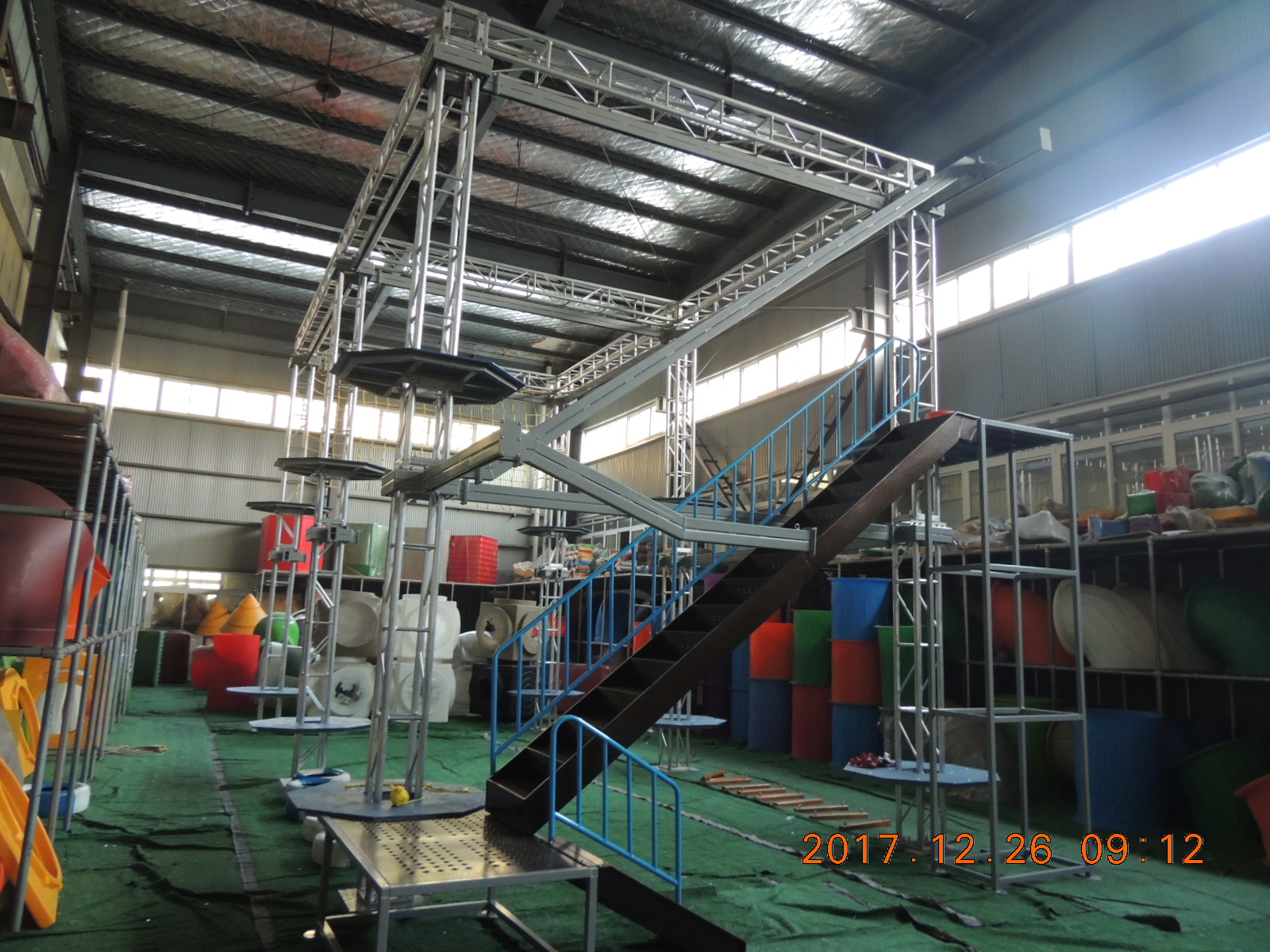
Understanding the specific materials utilized in china outdoors toys for kids allows buyers to make informed procurement decisions. Different components require distinct material properties to function safely and effectively. We break down the core materials you will encounter on the factory floor.
HDPE is the industry standard for large panels, slides, and heavy-duty components. It offers an exceptional strength-to-density ratio and resists splintering upon impact. ABS and rubber blends are frequently used for smaller, tactile, or educational garden toys. These blends provide high-impact resistance and are exceptionally easy to wash. The integration of UV inhibitors during the molding process is critical. This additive prevents color fading and structural brittleness over years of intense sun exposure. Rotational molding is typically used for large slides, ensuring a uniform wall thickness of at least 6mm, which prevents soft spots that could collapse under a child's weight.
Heavy-gauge galvanized steel forms the structural skeleton of both commercial and residential play sets. It provides the necessary rigidity to support dynamic play. The powder-coating process acts as a necessary defense against rust and corrosion. Furthermore, high-quality powder coating reduces thermal conductivity, preventing the metal surfaces from causing burns on hot summer days. Hot-dip galvanization is vastly superior to electro-galvanization for outdoor use. The zinc coating must be thick enough to withstand scratches. Following galvanization, a polyester powder coat baked at high temperatures seals the metal against moisture.
Cedar, redwood, and pressure-treated pine are popular for natural-looking play structures, sandboxes, and sensory tables. However, non-toxic wood treatments carry inherent risks if not properly vetted. Water-based, child-safe paints and sealants are mandatory on wooden letters, numbers, and interactive activities. Buyers must weigh the aesthetic appeal of natural wood against the ongoing maintenance required to prevent rot, splintering, and insect damage. Wood requires annual resealing in wet climates. Wood-plastic composites offer an alternative, blending wood fibers with recycled plastics to eliminate splintering while maintaining a natural look.
Backyard teepees, play tents, and cozy forts rely on flexible materials. UV-resistant Oxford cloth, heavy-duty polyester canvas, and lightweight PVC frames are standard. Budget-friendly PVC pipes and textiles require rigorous safety checks. Evaluating fire-retardant standards and chemical stability ensures these enclosed spaces remain safe during use. Look for fabrics with a minimum rating of 420D or 600D (Denier) for adequate tear resistance. The fabric must also feature a polyurethane (PU) coating to repel water and prevent mildew growth during damp seasons.
Impact-absorbing materials are vital for swing seats, safety surfacing, and grip handles. Rubber and silicone provide necessary friction and cushioning. Chemical safety checks are paramount for flexible plastics and rubbers that come into constant skin contact, ensuring no harmful plasticizers transfer to the users. EPDM (Ethylene Propylene Diene Monomer) rubber is highly recommended for outdoor grips and seats due to its excellent resistance to heat, ozone, and weather.
| Material Type | Primary Application | Key Benefits | Critical Safety Checks |
|---|---|---|---|
| HDPE Plastic | Slides, large panels, roofs | High strength, splinter-resistant, UV stable | Verify UV inhibitor inclusion, BPA-free certification |
| Galvanized Steel | Main support posts, swing frames | Exceptional load-bearing capacity, rigid | Check gauge thickness, powder-coating quality |
| Oxford Cloth | Play tents, shade canopies | Water-resistant, lightweight, durable | Fire-retardant standards, mildew resistance |
| ABS / Rubber | Tactile toys, swing seats, grips | Impact absorption, easy washability | Phthalate-free, non-toxic plasticizers |
| EPDM Rubber | Safety surfacing, handles | Weather resistant, high friction | PAH-free certification, heavy metal testing |
Selecting the right China Playground Manufacturer involves looking beyond the initial quote. Assessing material quality against cost determines the true value of the equipment. You must dig into the technical specifications provided by the factory.
Manufacturer specifications must be evaluated against established industry standards. Comparing steel wall thickness and plastic molding density reveals the structural integrity of the product. Thin-walled steel or low-density plastics reduce manufacturing costs but severely compromise safety and longevity. Demand exact dimensional specifications before finalizing any order. For main support posts, a diameter of 114mm with a 2.2mm wall thickness is standard for commercial applications. Anything less indicates cost-cutting that will result in a wobbly, unsafe structure.
Fabrics must be verified as mildew-resistant and tear-proof. Paints and varnishes require strict auditing. They must pass EN71-3 toxicity migration testing to ensure heavy metals do not leach into the environment or onto children's hands. Requesting physical samples allows for independent verification of fabric weave density and paint adhesion. You can perform a simple cross-hatch adhesion test on painted metal samples to ensure the powder coating will not flake off upon impact.
Claims of compliance with international safety standards require independent verification. Documents citing ASTM F1487, CPSC guidelines, EN1176, or ISO 9001 must be cross-referenced with the issuing bodies. Authentic certifications prove the manufacturer adheres to rigorous testing protocols for both physical safety and material toxicity. Do not accept photocopies of certificates without verifying the certificate number directly on the testing laboratory's official website.
Prioritizing upfront cost savings over material quality introduces severe long-term trade-offs. Substandard materials lead to increased liability risks, frequent replacement cycles, paint peeling, and structural failure. These issues ultimately damage brand reputation and inflate maintenance budgets far beyond the initial savings achieved during procurement. Replacing a cracked slide or a rusted swing frame costs significantly more in labor and shipping than purchasing high-grade materials from the start.
Procuring outdoor play equipment involves inherent supply chain risks. Implementing robust mitigation strategies ensures the final product matches the approved specifications. You must control the process from raw material sourcing to final container loading.
Unauthorized material substitution is a significant risk. Suppliers might use recycled plastics with heavy metal contamination instead of virgin HDPE to cut costs. Contractually mandating raw material consistency is essential. Specify exact material grades in the purchasing agreement and outline penalties for unauthorized deviations. Recycled plastics often lack the structural integrity and UV resistance of virgin materials, leading to premature failure in outdoor environments.
Conducting pre-shipment inspections prevents substandard goods from leaving the factory. Require third-party lab testing reports for chemical safety and physical safety compliance. Independent inspectors can verify material thickness, coating quality, and structural integrity before the final payment is released. Have the inspector measure the steel gauge, check the plastic wall thickness, and perform a visual inspection for sharp edges or poor welds.
Buyers must demand MSDS and chemical test reports for all plastics, coatings, textiles, and wood treatments used in the final product. The MSDS provides a detailed breakdown of chemical compositions, handling procedures, and potential hazards. This documentation is crucial for verifying non-toxicity claims and ensuring regulatory compliance in the destination market. If a factory refuses to provide an MSDS for their paint or plastic resin, consider it a major red flag and find another supplier.
The safety, washability, and durability of outdoor play equipment rely entirely on the specific grades of plastics, metals, fabrics, and coatings utilized. Geographic location of manufacturing does not dictate quality; strict adherence to material standards does. Buyers should shortlist suppliers based on their ability to provide transparent material sourcing, verifiable non-toxic certifications, and robust warranties against weathering.
A: Yes, provided the manufacturer uses virgin, non-toxic, BPA-free, and phthalate-free plastics like HDPE and ABS. Safety is verified by demanding reports from reputable third-party testing labs.
A: Powder-coated galvanized steel for structural support and UV-stabilized HDPE for panels and slides represent the gold standard for longevity and weather resistance.
A: High-quality ABS and rubber components can be easily washed with mild soap and warm water. They can also be hosed down to remove mud, chalk, and dirt without degrading the material.
A: Yes, provided they are made of UV-treated, heavy-duty Oxford cloth or polyester canvas. Buyers should verify the fabric's denier rating and mildew-resistance specifications before purchasing.
A: Request and independently verify ASTM, CPSC, or EN certificates directly with the issuing bodies. Additionally, demand Material Safety Data Sheets (MSDS) for all raw materials used.
A: Fading is prevented by the inclusion of UV stabilizers during the plastic molding process. Cheaper alternatives without these additives will fade, become brittle, and crack under prolonged sun exposure.
A: Galvanized steel equipment typically lasts 15 to 20 years or more, assuming proper powder coating, regular maintenance, and the absence of deep scratches that expose bare metal to moisture.