- All
- Product Name
- Product Keyword
- Product Model
- Product Summary
- Product Description
- Multi Field Search

Views: 0 Author: Site Editor Publish Time: 2026-09-29 Origin: Site
Outfitting a preschool outdoor space requires balancing rigorous safety standards, developmental value, and strict budget constraints. While international sourcing offers significant scale, preschool directors and procurement managers face high stakes regarding compliance, material toxicity, and long-term durability when importing play equipment. To make a defensible procurement decision, facilities must move beyond catalog aesthetics and rigorously evaluate equipment categories, manufacturer credentials, and the complete project expenditure. We will look at how to source the right components, verify factory credentials, and manage the logistics of overseas freight. You need a clear roadmap to navigate customs, safety audits, and local installation requirements. This guide breaks down the exact steps to secure commercial-grade play structures that meet local regulations without compromising on child development metrics.
Preschool environments demand equipment that supports gross motor skills, cooperative play, and sensory exploration rather than just physical exertion. Age-appropriate scaling is vital. Equipment specifically designed for ages 2–5 prevents fall hazards and entrapment risks. Facilities must prioritize designs that encourage cognitive growth alongside physical activity. When children interact with well-designed structures, they develop spatial awareness and balance. You want to select pieces that challenge their coordination safely. A simple slide offers brief entertainment, but a multi-level climbing structure with interactive panels forces problem-solving. We look for components that integrate tactile feedback, such as textured climbing grips or acoustic elements. This approach ensures the play area serves as an outdoor classroom.
Commercial-grade preschool equipment differs vastly from residential-grade backyard toys. High-traffic durability requires robust materials capable of withstanding constant daily use by dozens of children. Furthermore, strict UV resistance requirements prevent plastic embrittlement and color fading during year-round outdoor exposure. You cannot install thin-walled plastics or untreated steel in a commercial setting. The hardware must be tamper-resistant stainless steel to prevent vandalism and loosening over time. Uprights need a minimum diameter and wall thickness to support dynamic loads. We specify hot-dip galvanized steel for all structural pipes to stop internal rust. The powder coating must be applied at a specific micron thickness to resist chipping from impact.
| Feature | Residential Grade | Commercial Grade (Preschool) |
|---|---|---|
| Plastic Components | Thin-wall blow-molded plastic | Thick-wall rotational molded LLDPE/HDPE |
| Steel Uprights | 1-inch to 2-inch diameter, painted | 3.5-inch to 5-inch diameter, hot-dip galvanized |
| Hardware | Standard zinc-plated bolts | Tamper-resistant stainless steel |
| UV Resistance | Minimal, fades in 1-2 years | High-grade UV inhibitors, retains color for 5+ years |
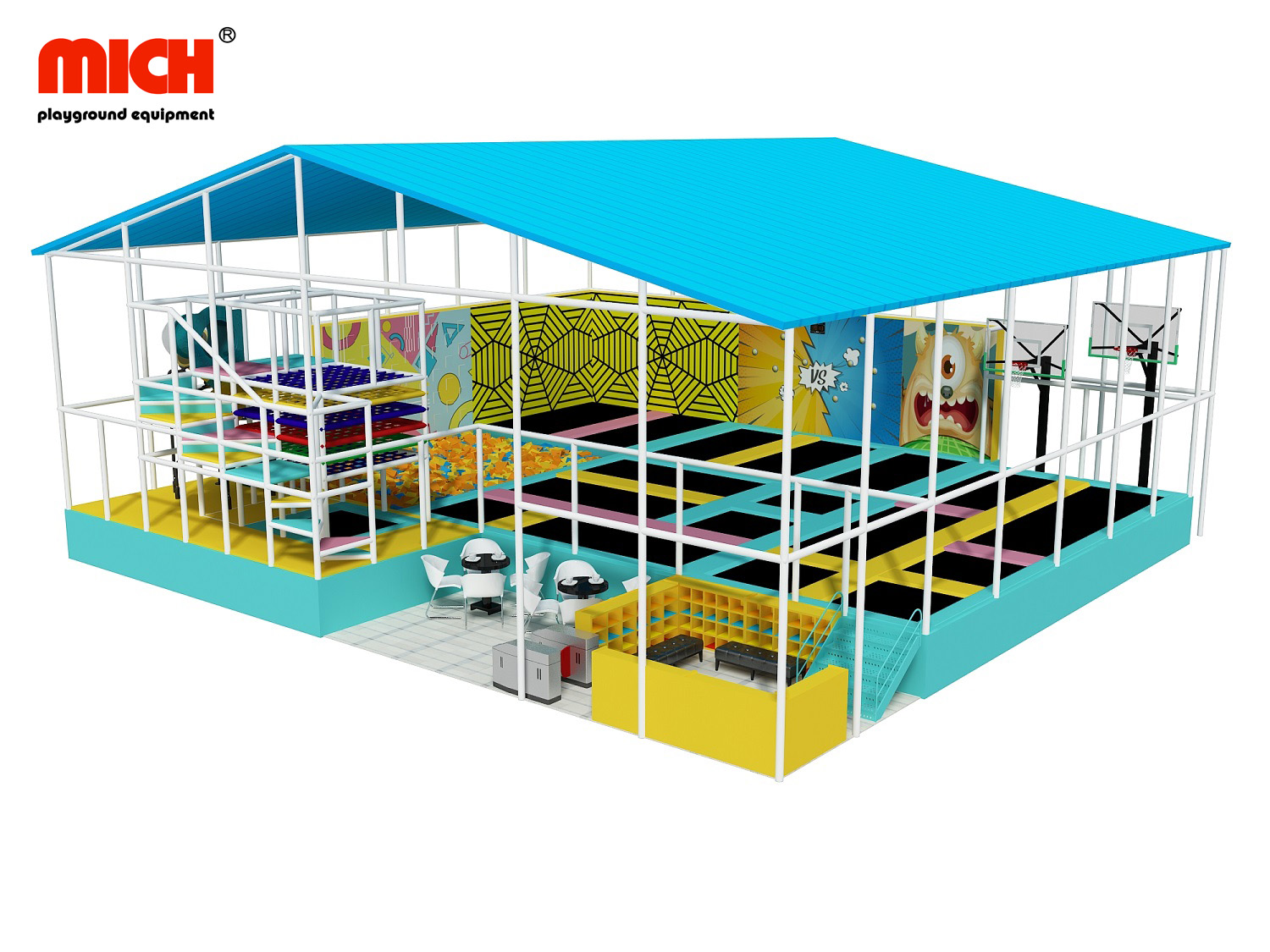
Standalone climbers, balance beams, and spring riders offer targeted developmental benefits. These modular units are easier to install and require lower shipping volume. They allow facilities to space out play zones, reducing bottlenecks during recess. You can bolt a spring rider directly to a concrete pad with minimal ground preparation. Balance beams teach weight distribution and core stability. However, freestanding units may require frequent reconfiguration to maintain engagement among active preschoolers. We often recommend mixing static climbers with dynamic spinners to provide varied kinetic experiences. When sourcing these items, verify the spring steel quality and the anchoring mechanisms to ensure they withstand aggressive rocking.
Multi-play structures combining slides, bridges, and climbing walls create a central focal point. This Kids Outdoor Playground Equipment provides high capacity for simultaneous users. The downside involves higher freight costs, complex installation requiring specialized local contractors, and strict fall-zone surfacing requirements. A large composite structure requires precise concrete footings. You must measure the use zone accurately to comply with safety standards. The integration of multiple play events into one footprint maximizes limited yard space. We look for modular designs that allow you to swap out a slide for a climbing net if your needs change. Ensure the decks are coated with a thick, slip-resistant PVC or rubberized layer to prevent injuries during wet weather.
Mud kitchens, sand tables, water tables, and acoustic play panels deliver high developmental value. They are inclusive for varying physical abilities. When sourcing these units, wood components require strict verification of non-toxic treatments and rot resistance to ensure long-term safety. We prefer high-density polyethylene (HDPE) for water tables because it will not warp or harbor bacteria. Sand tables must include secure covers to keep out animals. Acoustic panels, like outdoor xylophones or drums, should use anodized aluminum tubes to maintain pitch despite weather changes. These stations provide a quiet retreat for children who get overwhelmed by the high-energy physical play areas.
Procurement teams must cross-reference supplier claims with actual laboratory reports from recognized bodies like TÜV SÜD, SGS, or Intertek. Watch for red flags such as expired certificates, documents issued to trading companies instead of the actual factory, or consumer-grade certifications passed off as commercial standards. You need to request the full test report, not just the summary certificate. Check the product models listed on the report against the items you intend to purchase. If the factory claims ASTM F1487 compliance, the report must detail the specific tests for head entrapment, toggle tests for clothing entanglement, and structural integrity under load. Do not accept self-certified documents.
Evaluating plastics means insisting on food-grade LLDPE or HDPE to ensure zero lead or phthalate exposure. For metal components, buyers must demand rust-proofing through hot-dip galvanization and specify lead-free powder coatings. Partnering with a reliable China Playground Manufacturer ensures these material baselines are met. You should request material safety data sheets (MSDS) for all paints and plastics. The powder coating process must include a sandblasting phase to ensure proper adhesion. If the factory skips surface preparation, the paint will flake off within months, exposing the steel to rust. We also check the thickness of the plastic components; rotational molded slides should have a uniform wall thickness of at least 6mm to prevent cracking under impact.
Addressing supplier friction involves clearing up common manufacturer misunderstandings regarding third-party Quality Control to prevent defensive delays. Establishing a collaborative protocol early in the contract phase sets objective pass/fail boundaries. Pre-shipment inspections verify structural integrity, hardware completeness, and packaging robustness before authorizing the final container balance payment. You must define the Acceptable Quality Limit (AQL) in your purchase order. Specify that inspectors will check for sharp edges, weld spatter, and missing bolts. When the factory knows exactly what the inspector will look for, they usually improve their internal quality checks. We recommend a during-production inspection (DUPRO) for large orders to catch welding or painting issues before the equipment is packed.
Calculating the true cost requires looking beyond Ex-Works or Free on Board pricing. The final landed cost must include ocean freight, import duties, and port fees. Accurate budgeting prevents unexpected financial shortfalls during the procurement cycle. You must factor in the cost of transporting the container from the port to your facility. Unloading a 40-foot container requires a forklift and a crew. If you lack a loading dock, you will need a liftgate truck or manual labor to unpack the crates on site. We always advise getting a comprehensive freight quote that covers customs clearance and final mile delivery to avoid surprise invoices.
Poorly translated installation manuals introduce hidden costs and delays. Hiring certified local playground safety inspectors post-installation ensures the imported equipment meets local use-zone and surfacing regulations. Compliance at the local level is just as critical as manufacturing standards. You cannot rely on general handymen to install commercial play structures. The posts must be set in concrete at specific depths to maintain the correct fall height. The safety surfacing—whether poured-in-place rubber, engineered wood fiber, or rubber tiles—must meet impact attenuation standards based on the highest deck of the equipment. Budget for a professional installation crew and a post-installation audit.
International warranties present logistical challenges. Shipping a replacement part from overseas can take weeks and halt playground operations. Negotiating a spare parts package containing extra hardware and high-wear plastic components within the initial container shipment mitigates this risk. You should ask the factory to include extra swing seats, chains, S-hooks, and a surplus of the specific tamper-proof bolts used in the assembly. Having these items on hand allows your maintenance team to perform immediate repairs. If a major component fails, document the damage with photos and video to process the warranty claim efficiently. Ensure your contract specifies who covers the air freight for replacement parts under warranty.
Procurement schedules must factor in manufacturing time, typically 20-30 days, plus ocean transit and customs clearance, which adds another 30-45 days. Aligning these schedules with preschool construction or renovation timelines avoids costly opening delays. You must account for seasonal shipping spikes, such as the period before Chinese New Year, which can halt production and delay shipments for weeks. We build a buffer of at least 30 days into the project timeline. Track the vessel once it leaves the port and maintain communication with your customs broker to ensure all commercial invoices and packing lists are filed correctly before the ship arrives.
Manufacturers sometimes substitute cheaper materials on subsequent orders after a successful initial batch. Establishing strict, documented Bill of Materials agreements and maintaining continuous third-party quality control prevents this quality fade. You cannot assume the second container will match the first without verification. Specify the exact brand of powder coating and the specific grade of steel in your ongoing contracts. Send an inspector for every shipment, regardless of your relationship with the factory. We have seen factories reduce the wall thickness of steel pipes to offset rising raw material costs. Vigilance is required to maintain the safety standards of your china outdoors toys for kids.
A: They must meet ASTM F1487 standards for public use playground equipment and comply with CPSC guidelines regarding lead and phthalate limits.
A: Request their business license, verify their ISO 9001 certification, check for independent lab test reports (like TÜV or SGS) in the factory's name, and hire a third-party auditor to visit the facility.
A: Yes, the unit cost is lower, but buyers must accurately calculate freight, import duties, and local installation costs to determine the true project expenditure.
A: High-Density Polyethylene (HDPE) or Linear Low-Density Polyethylene (LLDPE) for plastics, and hot-dip galvanized steel with non-toxic powder coating for structural elements.
A: Equipment should be installed by local, licensed contractors who specialize in playground construction to ensure compliance with local fall-zone and safety surfacing regulations.
A: To avoid long international shipping delays for replacement parts, it is best practice to negotiate a comprehensive spare parts kit (fasteners, caps, high-wear items) to be shipped with the initial order.
A: Some factories view third-party inspectors as adversaries. You can ease this friction by introducing the third-party agency early in the negotiation process, highlighting that inspection reduces downstream return rates, and mutually agreeing on objective quality standards before production begins.