- All
- Product Name
- Product Keyword
- Product Model
- Product Summary
- Product Description
- Multi Field Search


Views: 2 Author: Site Editor Publish Time: 2026-02-24 Origin: Site
You are important for your child's health and growth when you encourage outdoor play. Many kids do not get enough exercise each day. Only 20% to 28% of kids get the right amount of activity. Outdoor playgrounds help your child get stronger, make friends, and be creative. You might worry about safety, like stranger danger, just like most parents. Almost two-thirds of parents have these worries. Still, most parents think outdoor play is very important. You can find ways to solve problems and help your child stay healthy.
Playing outside makes kids' bodies stronger. It helps improve motor skills. Try activities like running and climbing. These help kids stay healthy.
Being outdoors lowers stress and anxiety. Nature makes kids feel happier. It helps them relax more.
Outdoor play helps kids build social skills. They learn to work together and share. Kids also learn to solve problems and make friends.
Nature helps kids be creative. Let your child explore outside. This boosts imagination and problem-solving skills.
Kids need regular outdoor play to grow well. Try to get at least 60 minutes of active play each day. This supports your child's growth.
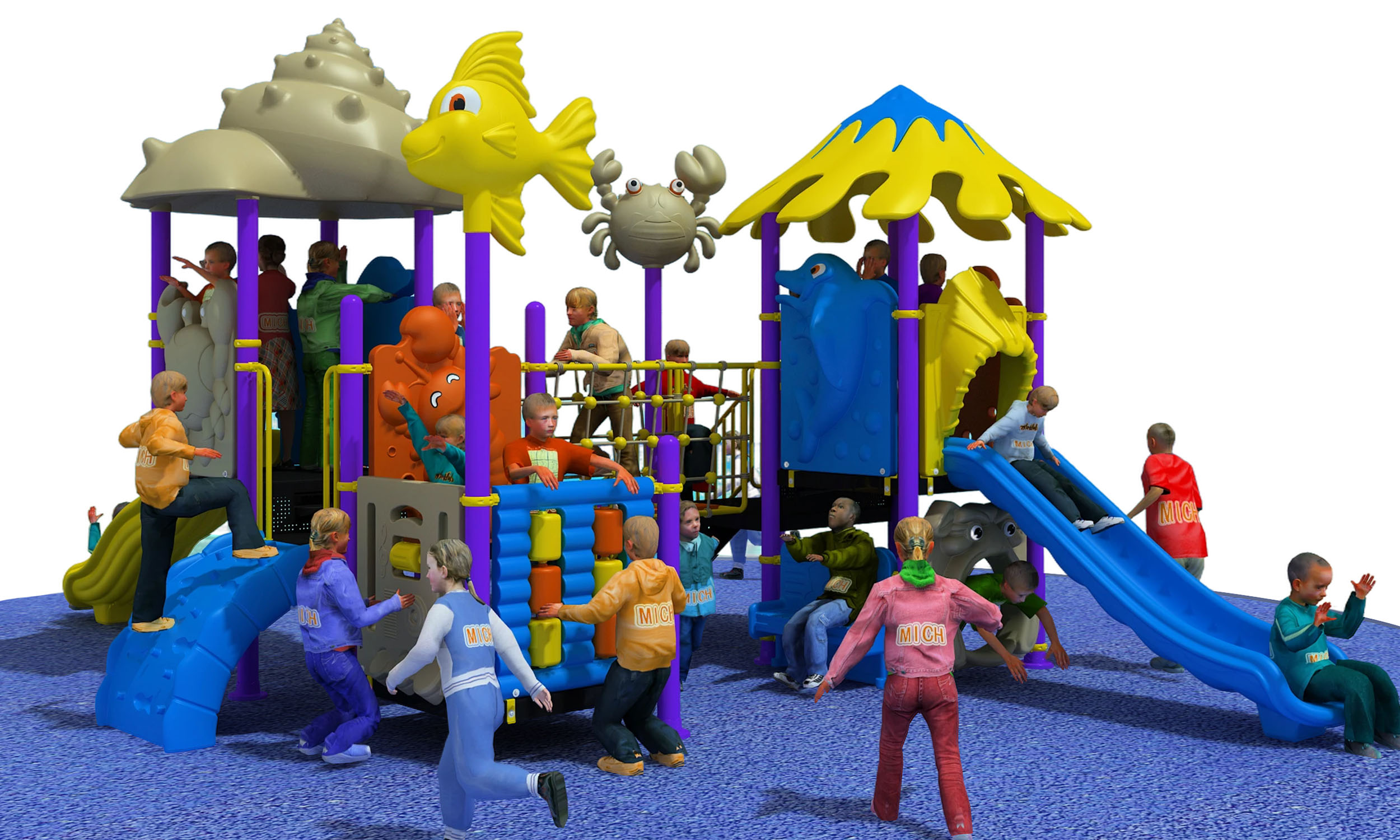
Outdoor play helps your child get stronger. Kids run, jump, and climb on playgrounds. These actions help them build motor skills. They learn to use their muscles and move better. When kids play outside, they move more and sit less. This helps them develop motor skills and stay healthy. It also lowers their chances of obesity.
Outdoor play helps kids build motor skills.
Kids who play outside are less likely to be obese.
Being active outdoors keeps kids healthy.
Playgrounds help kids get enough exercise each day.
Playing at a playground gives your child a safe place. They can try new movements and test their limits. These moments help kids feel confident and learn to handle risks.
Being outside helps more than just the body. It also helps your child's mind and feelings. Moving in nature helps kids deal with stress and anxiety. Studies show outdoor play helps kids control their emotions and feel less worried. Kids at outdoor schools have lower stress levels. This makes them feel calm and relaxed.
Outdoor play helps kids manage their feelings.
Spending time outside lowers stress and worry.
Being active in nature makes kids feel happier.
Nature helps mental health too. Most studies say green spaces help kids feel better. Kids who play outside show fewer signs of mental problems. Even when studies do not show big changes, results are still positive.
Playing outside helps kids build social skills and make friends. Kids learn to work together, share, and solve problems. These skills are important for good relationships and emotional growth.
Evidence Type | Description |
|---|---|
Qualitative Observations | Outdoor play helps kids start friendships and work together. |
Quantitative Findings | Outdoor spaces help kids form social relationships. |
Emotional Regulation | Playing outside teaches kids to manage their feelings with others. |
Unstructured play outside helps kids take turns and solve conflicts. Open spaces let kids practice talking and working as a team. When you let your child play freely, you help them become independent and learn to handle social challenges.
Skill Developed | How Outdoor Play Helps |
|---|---|
Cooperation | Kids work together to reach goals. |
Conflict Resolution | Kids learn to solve problems and make group choices. |
Independence | Free play helps kids make choices and take responsibility. |
Communication | Outdoor play lets kids share ideas and listen to others. |
Letting your child explore outside helps their creativity. Nature gives kids new sights, sounds, and smells. These things spark imagination and curiosity. Kids invent games, build things, and solve problems as they play. Research shows outdoor play boosts creative thinking and resilience.
When kids face challenges on playgrounds, they learn to adapt. They try new ways to solve problems. These moments help them become better problem-solvers and more confident learners. Outdoor play also lets kids take safe risks. This builds resilience and self-control.
Tip: Let your child lead during outdoor play. Give them time to explore and make choices. Let them try new things. This freedom helps creativity and helps them become independent thinkers.
You want your child to learn and explore safely. Outdoor playgrounds give kids a place to try new things. They can test what they can do without big risks. Builders use strong materials and follow safety rules. This keeps the equipment safe for active play. You will see soft landing spots and clear borders. There are also shady areas to protect kids from the sun. These features help kids feel safe as they crawl, climb, and walk.
Feature | Contribution to Safe Exploration |
|---|---|
Opportunities for physical development | Helps kids crawl, walk, and climb, which is important for them. |
Free of choking dangers | Keeps kids safe while they play and explore. |
Comfortable landing areas | Makes it safer when kids move and sometimes fall. |
Spaces for peer play | Lets kids play together and learn to work as a team. |
Natural elements | Makes play more fun and sparks curiosity. |
Comfortable seating for adults | Gives adults a place to sit and watch their kids. |
Note: Playgrounds with the right challenges and natural materials help kids learn about risk. Kids become more confident and stronger when they try new things.
Outdoor playgrounds welcome kids of all ages and abilities. You will notice ramps, soft ground, and special equipment. These features help everyone join in the fun. Kids with different needs can play together. Preschoolers, older kids, and teens can all use the playground.
Kids with special needs can get good exercise.
Ramps and sensory play areas help all kids join in.
Kids learn teamwork and talking by playing games together.
Inclusive playgrounds help kids learn to care and solve problems.
You will see kids making friends and learning from each other. These playgrounds help kids talk and play together. They help everyone feel like they belong.
You want your child to grow and reach new goals. Outdoor playgrounds help kids use their imagination and build skills. Kids crawl, walk, jump, and climb while playing. These actions help them get stronger and improve balance.
Imagination grows when kids play freely.
Coordination gets better with swinging and sliding.
Fine motor skills improve as kids grab and move things.
Social skills get stronger through games like tag.
Kids also practice talking and working together. They learn to take turns and solve problems. As kids try new things, they become more confident and independent.
It can be hard to find time for outdoor play. Many parents have busy schedules and lots of activities. You can use easy ideas to make outdoor time happen often.
Strategy | Description |
|---|---|
Set aside dedicated time | Plan daily walks or park visits to build a routine. |
Create an outdoor-friendly space | Keep balls, jump ropes, or chalk ready for quick play outside. |
Limit screen time | Reduce digital distractions to encourage outdoor games and movement. |
Balance activities and downtime | Leave free time in your child's schedule for unstructured outdoor play. |
Community programs like clubs or weekend events can help. You can work with other families to share watching kids. This makes outdoor play easier for everyone.
Parents often worry about safety when kids play outside. You may worry about injuries, strangers, or not enough supervision. These worries are normal, but you can help keep your child safe.
Check playground equipment for damage or loose parts.
Make sure play structures have enough space between them.
Watch your kids and talk about playground rules.
Look for clear safety signs and areas for different ages.
Report any hazards or broken equipment right away.
Pick playgrounds with safety standards and soft surfaces.
Safety rules and regular checks help lower injury risks. When broken equipment is fixed, fewer kids get hurt. Sharing safety tips with other parents helps everyone feel safer.
Weather can make outdoor play harder, but you can get ready for it. Dress your child in layers and bring extra hats or gloves. Some schools and parks have closets with clothes for families who need them.
Check weather charts for temperature, humidity, and air quality.
Stay inside during storms or bad air days.
Clear snow and ice from play areas before using them.
Use traction tape or salt to stop slips.
Check playgrounds for drainage or slippery spots after rain.
Natural play spaces like parks with trees and streams are fun. Even when the weather changes, you can find ways to keep outdoor play safe and enjoyable all year.
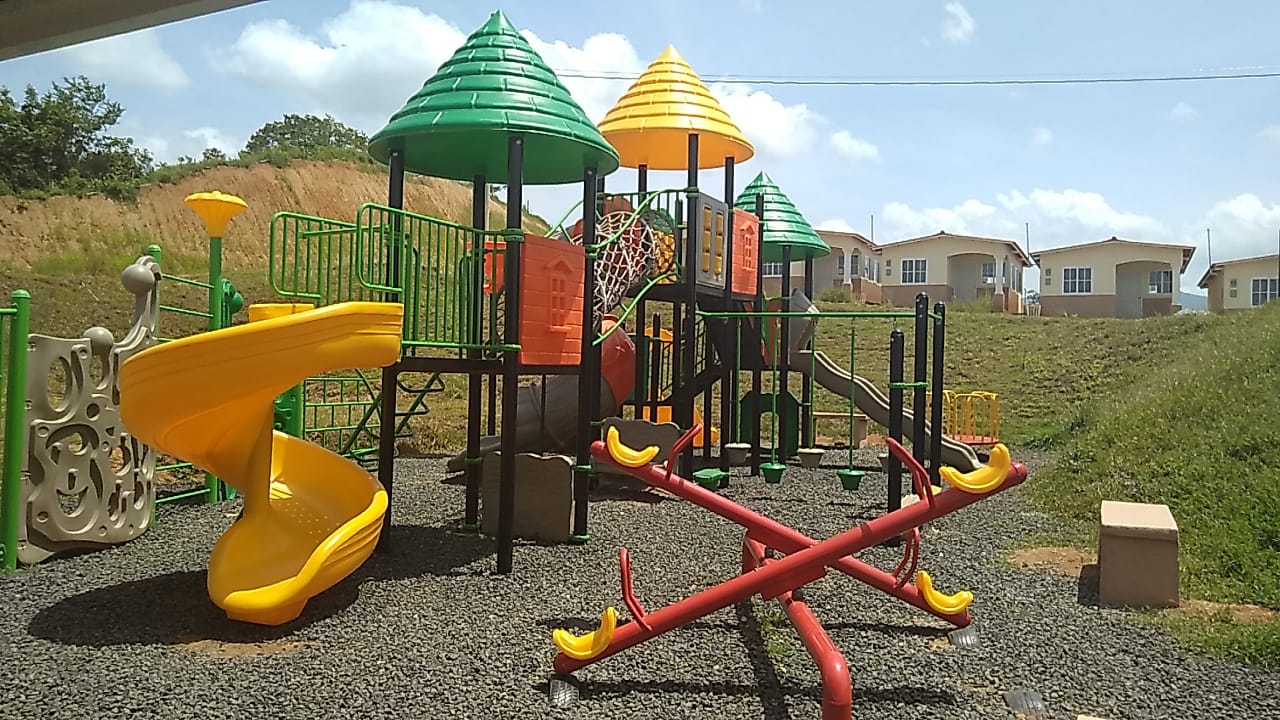
You can make outdoor time fun for your family. Try drawing with chalk on sidewalks or driveways. This helps your child be creative. Build obstacle courses using pillows and rope. These courses give your child a physical challenge. Water activities like sprinklers and water balloon fights are great in summer. Ice block treasure hunts mix science and play. You can use household items to make obstacle courses. These activities help your child stay active and learn new skills.
Chalk drawing on driveways and sidewalks
Homemade obstacle courses using pillows and rope
Water activities like sprinklers and water balloon fights
Ice block treasure hunts for science and play
Fitness and problem-solving with household item courses
You help your child grow by making outdoor play a habit. Outdoor play helps your child’s body, feelings, and social skills. Kids improve motor skills and creativity by playing outside. Regular outdoor time helps kids make friends and feel confident. The American Academy of Pediatrics says outdoor play is important for health. Kids benefit from jumping, running, and climbing. Being outside more helps kids stay fit and move more. It also lowers the chance of vision problems if kids spend at least 13 hours outside each week.
Outdoor play boosts physical, emotional, and social growth
Active play enhances motor skills and creativity
Regular routines foster social interaction and confidence
Jumping, running, and climbing promote physical development
More outdoor time lowers risk of vision issues
You can help your child try new outdoor activities. Make outdoor play part of your daily routine. Encourage short bursts of activity, even if you have little time. Use a timer to help your child stay outside longer. Walk to school together to get more movement. Plan family outings for bigger adventures. Create a fun outdoor space with different toys. Make sure your child has the right clothes for all weather. Eat meals outside to spend more time outdoors. Let your child play in the dark for extra excitement. Use city parks and sign up for outdoor activities. Organize play dates outside to help your child make friends.
Factor | Description |
|---|---|
Proximity to parks | Parks close by help young kids play freely. |
Playground design | Playgrounds encourage active play for younger children. |
Neighborhood safety | Safe streets and low traffic help kids play outside more. |
Parent perceptions | Parents worry about traffic when visiting parks. |
Distance to parks | Far away parks make family activities harder. |
Outdoor play helps your child grow in many ways. Playing outside builds brain skills, friendships, and curiosity. Choosing playgrounds and nature helps your child learn new things.
Benefit | Description |
|---|---|
Aid With Brain Development | Kids make up games and solve problems outside. |
Improve Interpersonal Skills | Children make friends and learn to work together. |
Expand Learning Space | Outdoor play lets kids learn outside of school. |
Spark Interest in New Topics | Nature makes kids curious about science and the environment. |
You make family bonds stronger when you join outdoor fun. Try teamwork games, use nature apps, and teach Leave No Trace. Enjoy outdoor adventures together and see your child grow.
Experts recommend at least 60 minutes of active play outside daily. You can break this time into shorter sessions. Even small bursts of outdoor activity help your child stay healthy and happy.
Dress your child in comfortable clothes and sturdy shoes. Choose layers for changing weather. Add hats, sunscreen, or jackets as needed. Always check the forecast before heading outside.
You should always supervise your child. Check equipment for damage. Teach playground rules. Choose age-appropriate areas. Encourage your child to use equipment safely.
Try new games or invite friends. Offer choices like biking, hiking, or exploring nature. Join your child in outdoor activities. Your excitement can inspire them to play.
Many modern playgrounds include ramps, sensory panels, and soft surfaces. These features help all children play together. You can look for inclusive playgrounds in your community.