- All
- Product Name
- Product Keyword
- Product Model
- Product Summary
- Product Description
- Multi Field Search

Views: 1 Author: Site Editor Publish Time: 2026-04-01 Origin: Site
Injury Type | Percentage of Injuries |
|---|---|
Soft tissue injuries | 51.9% |
Fractures | 34.6% |
Lacerations | 11.7% |
MICH uses strong safety engineering and new designs to lower risks. You can expect high safety standards in trampoline parks, whether they are indoor or outdoor trampoline parks. Start by learning how to play responsibly. This helps you have a safe and exciting time.
Pick a trampoline park that has safety certificates. Make sure the park follows strong safety rules for a safe time.
Wear grip socks and the right sports clothes. These help stop slips and keep you from getting hurt.
Obey all safety rules and park guidelines. Following these rules keeps you and others safe.
Use the buddy system to stay safer. Go with a friend so you can watch out for each other.
Tell the staff if you feel unsafe or see someone get hurt. The staff is trained to help and keep everyone safe.
When you want to go, picking the right trampoline park is important. This helps you stay safe and have fun. You should choose a place that cares about safety. MICH uses strong safety engineering and good design. Use these tips to help you pick a good park.
Find parks that show safety certifications. These mean the park follows strict safety rules. The most common certifications are:
ASTM (American Society for Testing and Materials)
EN (European Norms)
These certifications show the equipment is safe. Parks with these rules try hard to lower risks and keep you safe.
Look at the equipment before you jump. Make sure trampolines and foam pits look clean and in good shape. Safe parks have special areas for different ages. For example:
Toddler areas keep little kids away from older jumpers.
Trained staff watch toddler zones and help kids follow rules.
Clean trampolines and play spaces stop injuries and sickness.
You can also look for things like dodgeball courts or basketball hoops. These are fun but must be safe and well cared for.
Read reviews to learn about a park’s safety. Parents talk about how staff enforce the rules. Many guests say if the equipment looks safe. They also say if staff fix problems fast. You can see if the park listens to feedback and makes changes. Good parks use guest comments to find risks and make things better.
Wear the right clothes to stay safe at a trampoline park. Athletic clothes that fit well are best. They do not move around when you jump. Loose shirts or baggy pants can get stuck on things. Pick clothes made from fabric that lets you move and breathe. Do not wear jeans because they are tight and can hurt. Leave jewelry and other accessories at home or in a locker.
Here are some tips for what to wear:
Wear athletic clothes that fit close to your body.
Pick soft, stretchy fabric so you can move easily.
Do not wear loose clothes or jeans to stay safe.
Take off jewelry and leave it behind.
Grip socks are very important at trampoline parks. These socks have rubber on the bottom to help you not slip. Regular socks or bare feet do not stop you from sliding. Grip socks help you stay safe and not fall.
Feature | Benefit |
|---|---|
Traction Technology | Silicone grips help your feet stick better and stop slips. |
Incident Reduction | Parks with grip socks have 40% fewer falls. |
Biomechanics Study | A 2023 study found grip socks help feet touch the surface 70% more. |
Take off all accessories before you start jumping. Things like jewelry, hair clips, or stuff in your pockets can hurt you. These things can get caught or scratch you if you fall. Even small things like bracelets or coins can be dangerous in a busy park.
Take off all jewelry like rings, necklaces, and earrings.
Empty your pockets before you go on the trampolines.
Remove hair clips and big accessories.
You keep yourself and others safe when you remove loose items from the play area.
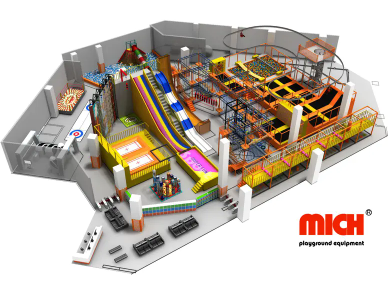
You must follow safety guidelines at trampoline parks. These rules help stop injuries and keep everyone safe. Most parks put up signs to show the rules. Always jump in the middle of the trampoline. Only one person should jump on a trampoline at once. Do not do rough tricks or play too hard. This can cause accidents. Never jump or walk on the pads. Do not use alcohol or drugs before jumping. Parks like MICH have high safety standards. They make special areas for different ages. Grip socks are required for all jumpers. Parents need to watch young kids. You also have to sign a waiver before you jump.
Safety Guideline | Description |
|---|---|
Age-Specific Jumping Zones | Parks make zones for different ages to lower crash risks and keep people safe. |
Essential Safety Rules | Simple rules like one jumper per trampoline help stop injuries. |
Grip Socks Requirement | Grip socks are needed to stop slips and make jumping safer. |
Parental Supervision | Parents must watch young kids to make sure they follow the rules. |
Waivers and Park Policies | You must sign a waiver so you know the risks before you jump. |
Staff help keep you safe at the park. You will see safety signs everywhere. Flight Crew members watch jumpers and help if someone gets hurt. Staff watch the foam pits and dodgeball courts. They stop rough play and send kids to safer spots. Trained workers know CPR and first aid. They know which activities are good for each age. Staff check that everyone uses trampolines the right way. They also make sure equipment is safe. If you feel unsure, ask staff for help. Fast help from staff keeps the park safe.
Safety signs remind you about the rules.
Flight Crew members make sure rules are followed and help in emergencies.
Staff watch the foam pits and dodgeball courts.
Trained workers know CPR and first aid.
Staff check equipment and watch jumpers for safety.
You must sign a waiver before you jump. This paper tells you about the risks of jumping. You agree to follow the rules and be responsible. Waivers protect the park if you get hurt. They do not cover gross negligence or reckless acts. Parks must still follow safety codes and keep things safe. Waivers do not cover dangers you do not know about. Kids still get special protections, even with a waiver. Read the waiver carefully and ask questions if you do not understand.
You need strong adult supervision in every trampoline park. Adults help keep everyone safe and make sure rules are followed. Each area in the park has different needs for supervision. For example, toddlers need more attention than older kids. You can check the recommended staff-to-child ratios in the table below:
Zone Type | Typical Age Range | Staffing Requirements |
|---|---|---|
Toddler Zone | 3-5 years | 1 staff per 15 kids |
Youth Zone | 6-12 years | 1 staff per 20 kids |
General/Adult Zone | 13+ years | 1 staff per 25 participants |
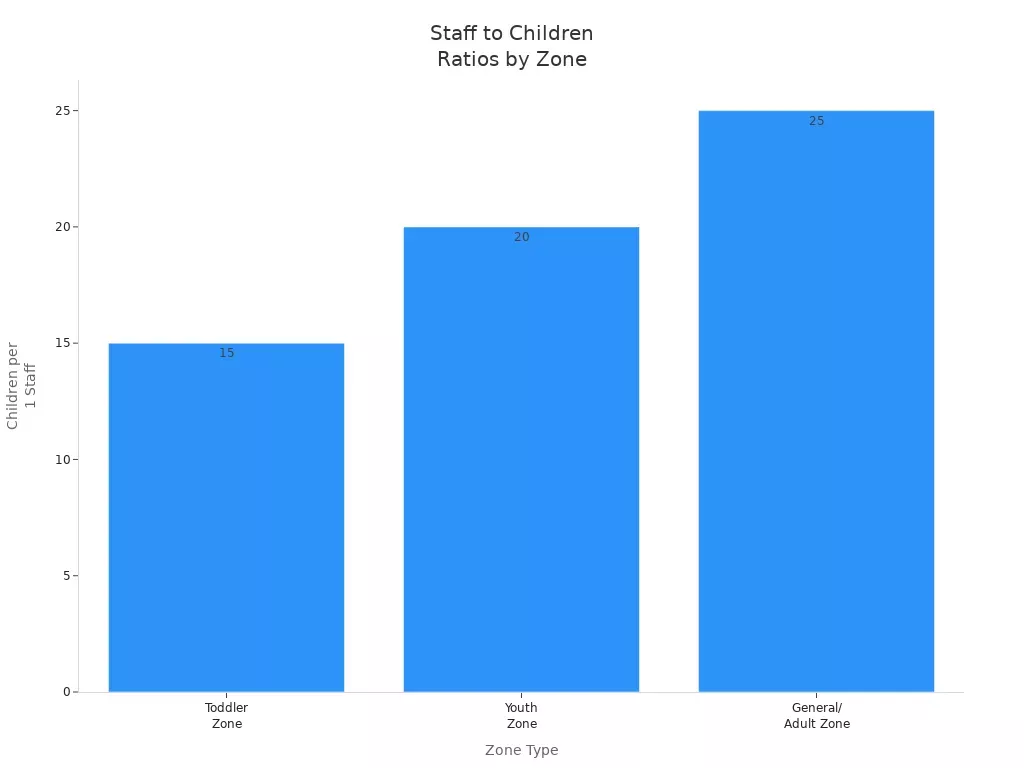
You should always look for parks that follow these guidelines. More staff means faster help if something goes wrong. Parents and guardians should also watch their children closely, especially in busy areas.
You can boost safety by using the buddy system. This means you pair up with a friend or family member. You both watch out for each other while you play. The buddy system helps in many ways:
You and your buddy keep each other accountable and follow the rules.
You can get help quickly if one of you gets hurt or feels unsafe.
Adults can check on pairs more easily and make sure everyone is safe.
Staff play a key role in keeping you safe. They train for emergencies and know how to act fast. Every trampoline park should prepare for the "Golden 3 Minutes" after an accident. Staff use special tools like first-aid kits and AEDs. At least one trained first-aider stays on duty at all times. Parks run rescue drills every month and bigger emergency drills every few months. Staff learn how to talk to each other quickly during emergencies.
Staff respond fast in emergencies.
Parks keep first-aid kits and AEDs ready.
Trained first-aiders are always present.
Rescue drills happen often to keep staff ready.
Staff use real-time communication to manage emergencies.
You can ask staff for help at any time. Good communication and teamwork keep everyone safe and happy.
You should always warm up before you start jumping. Warming up gets your body ready for action. It helps you avoid injuries and lets you perform better on the trampolines. You can try these simple warm-up activities:
Light jogging in place wakes up your muscles.
Gentle arm circles loosen your shoulders.
A few minutes of easy bouncing helps your body adjust.
Warming up does not take long, but it makes a big difference. You will feel more flexible and ready to jump safely.
Start with basic moves when you enter the trampoline park. These moves help you stay safe and build your confidence. Follow these steps:
Starting Position: Stand in the center of the trampoline. Keep your feet shoulder-width apart. Place your arms at your sides for balance.
Jumping Motion: Bend your knees gently and push off the trampoline. Use smooth, controlled movements. Keep your core tight to stay steady.
Landing & Exiting: Land on both feet with your knees slightly bent. Let your legs absorb the impact. Always stop bouncing before you step off the trampoline.
Practicing these moves helps you control your body and avoid falls.
You may want to try new activities as you get more comfortable. Always follow safety rules when you try something new. Here are some important rules to remember:
Safety Rule | Description |
|---|---|
One jumper per trampoline square | Only one person should jump on each square to prevent collisions. |
No double bouncing | Do not bounce off others to avoid injuries. |
No running or flipping | Running and flipping can cause falls and accidents. |
Stay away from safety pads | Do not jump near the pads; they protect you from hard surfaces. |
Jump in the center | Stay in the middle to lower your risk of falling off. |
Exit the court to rest | Leave the jumping area if you need a break. |
Trained floor monitors watch the jump areas. They remind you of the rules and help if you need it. Monitors know first aid and stop unsafe behavior. You can ask them questions if you feel unsure. This teamwork keeps everyone safe while you try new things.
Keeping clean helps you stay healthy at a trampoline park. You can lower your risk of getting sick by following simple hygiene steps. Clean hands and equipment protect you and everyone around you.
You should wash your hands before and after jumping. Germs spread easily when many people touch the same surfaces. Use soap and water for at least 20 seconds. If you cannot find a sink, use hand sanitizer with at least 60% alcohol. Wash your hands after using the restroom, before eating, and after touching your face.
Safe parks clean their equipment often. You can check if a park follows a cleaning plan. Staff use child-safe cleaners and keep records of their work. Parks train employees to clean well and prevent disease. Here is how often different areas get cleaned:
Frequency | Focus Area | Primary Goal | Estimated Time |
|---|---|---|---|
Daily | Handrails, Slide Exits, Entrances | Hygiene & Immediate Safety | 30-60 Minutes |
Weekly | Vinyl Pads, Netting, Flooring | General Sanitation | 2-3 Hours |
Monthly | Sub-floors, Tops of Tunnels | Deep Clean & Mold Prevention | 4-6 Hours |
Quarterly | Ball Pits (Full Emptying) | Deep Sanitation | 1 Full Day (varies) |
Parks that follow these steps keep you safer. You can ask staff about their cleaning schedule if you want to know more.
You should stay home if you feel sick. Trampoline parks ask visitors to be healthy before jumping. Do not visit if you have a fever, cough, or stomach problems. Parks do not allow people with heart issues, high blood pressure, or other health problems to jump. Pregnant people should not use trampolines because it is not safe. If you feel unwell, rest at home and come back when you are better.
You can always find help from staff at a trampoline park. Staff members watch the trampoline zones closely. They do not wait for accidents to happen. They look for unsafe behavior and step in quickly. Each staff member takes care of a specific area. This helps them notice problems right away. If you see someone get hurt or feel unsafe, tell a staff member immediately. Staff know what to do in emergencies. They follow special plans approved by local fire authorities. These plans show the steps to take if someone gets injured.
Staff monitor all trampoline areas.
Each staff member stays in a set zone.
Staff respond fast when you ask for help.
Emergency plans guide their actions.
You may see first aid stations near the main entrance or play zones. Trained staff can give first aid for cuts, sprains, or bumps. They know how to use first aid kits and call for more help if needed. You should tell staff if you or a friend gets hurt. Do not try to treat serious injuries by yourself. Staff can help you stay calm and get the right care.
Injury Type | Staff Action |
|---|---|
Small cuts | Clean and cover the wound |
Sprains | Support and call for help |
Head bumps | Check and monitor closely |
You should know where the emergency exits are before you start playing. Parks post exit signs in bright colors. Staff will show you the nearest exit during safety briefings. In an emergency, follow staff instructions and move calmly to the exit. Do not run or push others. Staff lead everyone out safely and check that no one is left behind.
Look for exit signs when you enter.
Listen to staff during emergencies.
Walk, do not run, to the nearest exit.
You make great memories when you play safe at a Trampoline Park. Parks that care about safety help you enjoy every jump. You do not have to worry, so you have more fun. Share safety tips with your friends in simple ways. Use signs, videos, and reminders from staff to help everyone. Wear grip socks, take off jewelry, and pay attention to what is around you. MICH checks everything carefully and uses smart designs. Always think about safety before you start jumping.
You should stop and rest. Drink water and sit in a safe area. Tell a staff member if you feel dizzy or weak. Resting helps you avoid injuries.
Most parks require special grip socks. These socks help you stay safe. You can buy them at the park. Regular socks do not provide enough grip.
The one-jumper rule keeps you safe. It stops people from bumping into each other. You lower your risk of injury when you jump alone on each trampoline.
Tell a staff member right away. Do not try to move the person. Stay calm and wait for trained help. Staff know how to handle injuries.
Area | Cleaning Frequency |
|---|---|
Handrails | Daily |
Foam pits | Weekly |
Ball pits | Quarterly |
You can ask staff about their cleaning schedule.