- All
- Product Name
- Product Keyword
- Product Model
- Product Summary
- Product Description
- Multi Field Search

Views: 1 Author: Site Editor Publish Time: 2026-02-13 Origin: Site
Compliance makes sure your equipment follows strict safety rules.
You create a safer place for everyone, whether your park is an indoor trampoline park or an outdoor trampoline park.
Think of compliance as something you do all the time, not just once.
Make sure your trampoline park follows ASTM and TUV rules. This helps keep guests safe and lowers the chance of injuries. Use a simple checklist to follow the rules. Check things like ceiling height, padding, and safety walls. This keeps everyone safe and helps you avoid legal trouble. Look over your park often and write down what you find. This helps you spot problems early and show insurance companies you follow the rules. Teach your staff about safety rules and what to do in emergencies. This makes your park safer and helps guests feel better. Keep learning about new safety rules and good ways to run your park. This helps your trampoline park stay safe and follow the rules.
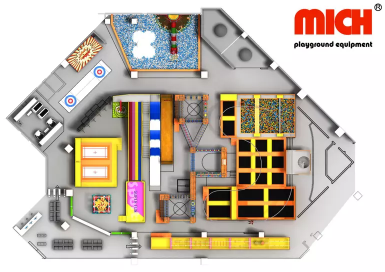
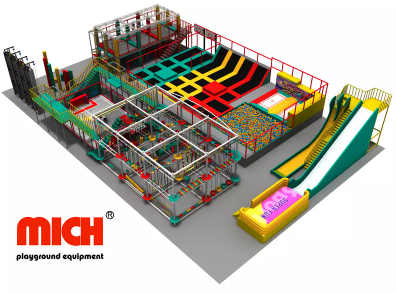
You need to follow a clear process to make your trampoline park safe and compliant in 2026. Start by understanding the main requirements. These steps help you meet both ASTM and TUV standards. Use the table below to see the most important actions you must take:
Requirement | Description |
|---|---|
Minimum Ceiling Height | At least 5.2 meters from the floor to the lowest obstacle in the roof space. |
Padding Requirements | All walls, obstacles, and flooring within 1.5 meters around the trampoline area must be covered with protective padding. |
Impact Absorption | Padding must comply with ASTM F355-16 standards with an impact gmax value of 100 or less. |
Safety Wall Height | A solid safety wall of at least 1.2 meters high is required, along with durable containment netting. |
Transition Standards | No direct transition between a park trampoline and a performance trampoline is allowed. |
Follow these steps to get started:
Measure your ceiling height and check for any low obstacles.
Add thick padding to all walls, obstacles, and floors near the trampolines.
Test your padding to make sure it absorbs impact and meets the gmax value.
Build strong safety walls and install netting around jumping areas.
Separate park trampolines from performance trampolines with clear barriers.
You should check each area of your trampoline park for these requirements. Make a checklist and review it often. This helps you find problems before they become serious.
Tip: Take photos of each area after you finish each step. This gives you proof of your work and helps with inspections.
You want your trampoline park to be a safe place for everyone. When you follow ASTM and TUV rules, you lower the risk of injuries. Parents trust you more when they see safety walls, padding, and clear rules. You also protect your business from lawsuits and fines. Many insurance companies require you to meet these standards before they give you coverage.
If you do not follow the rules, you could face big problems. You might have to close your trampoline park or pay large penalties. You could also lose your business license. Meeting compliance helps you avoid these risks and keeps your park open for fun.
It is important to know what ASTM F2970-22 means. This standard tells you how to design, build, and take care of your equipment. It helps keep everyone safe at your trampoline park. Here are some main things you must do:
All surfaces must be smooth with no sharp edges. Sharp edges can hurt people.
The design must be strong and safe for many activities. It should handle jumping and landing without breaking.
You must check your equipment often and fix problems right away.
These rules help make your park safer for guests. Parents and visitors will see that you care about safety.
TUV and CE certifications show your equipment meets tough safety rules. TUV is a group from Germany that tests products for safety. CE marking means your equipment follows European safety laws. If you want to buy or bring in equipment, look for these marks. They help prove your trampolines are safe and work well. You will also have an easier time with inspections and getting insurance.
State rules in the United States can change how you follow ASTM and TUV standards. Some states say you must meet ASTM F2970 for your trampoline park. Others do not require it. The table below shows how different rules apply:
Standard | Applies to Trampoline Parks? | Why It Matters for Davenport |
|---|---|---|
ASTM F2970 | Yes (Critical) | Sets net height, gap limits, and emergency rules for busy areas |
EN1176 | No | For playgrounds only; using it here can cause safety problems |
You need to check your state’s rules before opening or changing your park. This helps you avoid trouble and keeps your business running well.
You need to be careful when you build your trampoline park. ASTM F2970-22 gives clear rules for how to set up everything. Every trampoline must sit on a flat, strong surface. The frames should stay in place and not move. Trampolines must be spaced out so jumpers do not bump into each other. Safety walls and netting keep guests inside the jumping area. All surfaces should be smooth to stop scrapes and cuts. Springs and frames must have thick padding. This padding keeps jumpers safe from getting hurt.
Tip: Always check your measurements before you put in equipment. If you make mistakes, your park can become unsafe.
You must run your trampoline park with strict routines. Check all equipment every day. Look for loose bolts, torn mats, or worn padding. Fix any problems right away. Clean surfaces often to get rid of dust and dirt. Keep a log of all checks and repairs. Train your staff to spot dangers and act fast. Make clear rules for guests, like no flips unless someone is watching. Put signs with safety instructions in every area. Update your maintenance plan when new standards come out.
Check trampolines every day
Fix damage right away
Keep records of all checks
Train staff often
ASTM F2970-22 says mats must be strong and last a long time. You need mats that pass tough tests. Outdoor mats must last over 1,200 hours in bad weather. Padding must be at least 25mm thick and cover all springs and frames. Mats must resist UV rays so sunlight does not break them down. Frames must hold up to 1,500 lbs without bending. You must test frames for stability at three times the weight limit.
Requirement | Specification |
|---|---|
Accelerated Weathering Tests | 1,200+ hours for outdoor models |
Foam Padding Thickness | Minimum of 25mm, covering springs and frames |
UV Resistance | Required to prevent degradation in outdoor use |
Frame Load Testing | Must support up to 1,500 lbs without warping |
Dynamic Use Stability Testing | Frames tested at 3x the weight limit |
You need to use trusted testing labs to check your trampoline park. These labs look at the whole park, not just one part. They see how all the equipment works together. Accredited labs help you find problems before you open. They give you reports that show your park is safe.
Accredited labs check the whole trampoline park.
They use special tools to find safety risks.
You get a report showing your park meets ASTM and TUV standards.
You must follow simple steps to get certified. First, contact a trusted testing lab. Give them your park’s design plans and equipment details. The lab will come to your park and do safety tests. If your park passes, you get certificates like ASTM F2970 or TUV. These certificates show you follow all safety rules. Keep your certificates current. If you change your park, you may need new tests.
Contact a trusted lab.
Share your design and equipment details.
Set up a site visit and testing.
Get your certificates if you pass.
Update certificates after big changes.
Note: Insurance companies want these certificates before giving you coverage.
You must keep good records to show you follow the rules. Always ask for official certificates from your suppliers. Make sure the certificates are current and have the right supplier name. Look for test reports from labs like SGS or TÜV Rheinland. Do not use only your own reports. Dated, stamped certificates from trusted labs are best. Parks without good records may lose insurance or face legal trouble.
Certification | Description | Impact on Safety Records |
|---|---|---|
ASTM F2970 | U.S. standard for trampoline parks, making sure equipment is strong and safe. | Helps you follow safety rules, lowers risk, and improves safety records. |
EN1176 | European standard for playground equipment, checking strength and fall zones. | Sets higher safety goals and improves safety records. |
Keep all certificates and test reports safe. Update them every year or after big changes.
You need to check your trampoline park often. Inspections help you find problems early. Make a schedule so you do not forget checks. The table below shows how often to inspect each part:
Inspection Type | Frequency |
|---|---|
Daily Visual Checks | Daily |
Weekly Detailed Exams | Weekly |
Monthly Comprehensive Reviews | Monthly |
Annual Safety Audits | Annually |
Daily checks help you spot issues fast. Weekly and monthly checks let you look closer at safety features. Annual audits make sure your park follows all safety rules. Keep records of every inspection. This shows you follow the rules and helps you fix problems quickly.
Tip: Use a checklist for each inspection. It helps you remember everything important.
You must train your staff often. Training teaches your team about safety rules and hazards. Staff should learn how to do inspections and keep the park safe. Refresh training so everyone remembers what to do.
Train staff to do safety inspections.
Refresh training to keep safety knowledge strong.
Make sure certified staff, like lifeguards or CPR-trained employees, are present.
Remind your team that following ASTM and TUV standards lowers insurance costs and keeps guests safe.
Safety standards change over time. You must stay updated and change your maintenance tasks when new rules come out. Review your inspection schedule and update your procedures. The table below shows how you can respond to changes:
Frequency | Maintenance Tasks |
|---|---|
Daily | Inspect frames, beds, cords, harnesses, anchors, and nets. Check control stations and logbooks. |
Weekly | Tighten bolts, measure cords, inspect cables, and check safety signs. |
Monthly | Inspect structure, check harnesses, and lubricate moving parts. |
Quarterly | Test welds, replace old parts, and review logs. |
Annual | Get third-party audits and test under real conditions. |
Check new ASTM and TUV standards as soon as they come out. Update your maintenance plan and train your staff on new requirements. Staying proactive keeps your trampoline park safe and compliant.
Trampoline parks have many safety problems to solve. Jumpers can get hurt if they land in a strange way. Broken lower legs happen a lot. Sprains and strains are also common, but not as bad. Sometimes, jumpers bump into each other when too many people jump together. ASTM F2970 rules help lower these risks. The standard says you need extra beds to keep jumpers safe. Padding should soak up the force from falls. Staff must watch guests and make sure they follow the rules. Foam pits and airbags need regular care. If you skip these steps, guests could get hurt.
Common injuries:
Broken lower legs from bad landings
Sprains and strains
Jumpers bumping into each other
Compliance requirements:
Extra beds for more safety
Padding that absorbs force
Staff watching and enforcing rules
Care for foam pits and airbags
Tip: Watch busy spots closely to stop jumpers from bumping into each other.
You can fix these problems by using smart steps. Always check every area before guests come in. Make a plan to do regular care and repairs. Do things like tighten bolts and check padding often. Write down every repair and check you do. Good records prove you follow safety rules. Fix any problem as soon as you see it. Fast fixes keep your park safe and help your business look good.
Best practices:
Check all equipment often
Plan regular care and repairs
Write down every check and fix
Fix problems right away
Note: Checking often and fixing things fast helps you follow the rules and makes guests trust your park.
When you do these things, your trampoline park is safer. You also follow the law and keep your business open.
You need a good team to keep your trampoline park safe. Each person should have their own job. Safety standards change a lot, so your team must learn new rules. Maintenance workers look at equipment and fix things fast. Trainers show staff how to check trampolines and handle emergencies. Customer guidelines help guests know the safety rules before they jump. The table below shows the main jobs for a strong compliance team:
Component | Description |
|---|---|
Safety Standards | Stay updated with evolving safety regulations and best practices. |
Maintenance | Conduct regular equipment check-ups to prevent accidents. |
Training | Implement a safety checklist for staff, including daily inspections and emergency response drills. |
Customer Guidelines | Create visible guidelines for customers regarding safety protocols before jumping. |
Tip: Meet with your team every month. Go over safety checklists and update training together.
Professional support helps you follow the rules and stay safe. Designers make plans that use space well and follow safety rules. Technicians put in trampolines to meet ASTM standards. You get help all the time, so repairs are done quickly. Contractors check your site, make custom designs, and bring good equipment. They also do installation, safety checks, and maintenance. This help makes your park safer and lets you open faster. You save money because the designs work well and last longer.
Service Type | Description |
|---|---|
Design and Layout Planning | Professional designers create optimized layouts to maximize space and ensure safety compliance. |
Installation Support | Technicians assist with installation to meet ASTM standards, ensuring safety and longevity. |
Ongoing Technical Support | 24/7 support and spare parts availability minimize downtime and maintain compliance. |
Custom designs fit your space and guests
Safety compliance with ASTM, TUV, or EN standards
Strong materials last a long time
Open your park faster with fewer delays
Save money with smart designs
You need to know about new safety rules and best ways to stay safe. Join groups in the industry and read safety news. Go to workshops or webinars to learn about changes in ASTM and TUV rules. Sign up for newsletters from testing labs and safety groups. Share new updates with your team so everyone knows what to do. Staying informed helps you find risks early and keeps your trampoline park safe for all.
You make your trampoline park safer by following ASTM and TUV standards. This helps lower risks and makes customers trust you more. The table below shows the main benefits:
Benefit | Description |
|---|---|
Enhanced Safety | Guests are safer with better safety steps. |
Reduced Liability | You get fewer legal claims and pay less money. |
Lower Insurance Premiums | Insurance costs go down when parks follow the rules. |
Improved Patron Confidence | Happy customers come back more often. |
Increased Revenue | You can earn more, up to $100 per square foot each year. |
Fewer Injuries | Injury incidents drop by thirty percent. |
To begin or make compliance better, you should:
Make clear rules for your park.
Tell jumpers to wear safe clothes.
Use new safety technology.
You can ask experts for help:
Buy uniforms for staff so they can watch guests better.
Pick strong steel and mats that resist sunlight for equipment that lasts.
Keep checking your park and stay safe every day.
ASTM F2970-22 gives safety rules for trampoline parks. You need this rule to keep guests safe and get insurance. If you follow this standard, you lower the chance of injuries. It also helps your business stay open.
You should check your park every day. Do weekly and monthly checks to find bigger problems. Once a year, do a full audit to make sure you follow all safety rules. Use a checklist so you do not miss anything.
If you buy equipment from Europe, you need TUV or CE certification. These marks show your trampolines are safe. Insurance companies and inspectors want to see these certificates.
You must keep certificates, test reports, and inspection logs. Store these records in a safe place. Update them after you fix or change something. Good records show your park follows safety rules.
Join industry groups and read newsletters to learn about new rules. Go to workshops to hear about changes. Set reminders to check for updates every three months. Share new information with your team so everyone knows what to do.