- All
- Product Name
- Product Keyword
- Product Model
- Product Summary
- Product Description
- Multi Field Search

Views: 20 Author: Site Editor Publish Time: 2025-12-29 Origin: Site
Have you ever wondered why ball pits are so popular in play areas? These vibrant, soft-filled spaces capture the imagination of both children and adults. In this article, we will explore what a ball pit is, its origins, and why it remains a beloved feature in entertainment centers and therapy settings. You will also learn about its benefits and how it aids in development.

A ball pit is an enclosed area filled with soft, colorful plastic balls, offering a safe space for children to dive into, toss around, and interact with others. The concept of ball pits originated in the 1950s, when they were initially designed as therapeutic tools for sensory play. These early ball pits were intended to provide a safe and controlled environment where children could explore their senses, improving sensory processing and motor skills.
Over time, the ball pit concept grew in popularity and spread into commercial entertainment spaces, such as amusement parks and arcades. It quickly became a central attraction, particularly in areas designed for younger audiences. Today, ball pits are an integral part of children's play areas in both private homes and public spaces.
Ball pits typically consist of an enclosure (often made of mesh or plastic) that holds thousands of small, brightly colored plastic balls. These balls are soft, lightweight, and designed to be bouncy, making the pit safe for all ages. Depending on the location and purpose, ball pits come in various sizes. Some are large enough to cover entire rooms in indoor soft playgrounds, while others are small enough to be set up at home for private play. Commercial ball pits are often located in entertainment centers or theme parks, designed for maximum engagement and interaction.
Component | Description | Example Use |
Enclosure | A structure that holds the balls in place (often mesh). | Public play areas, amusement parks |
Plastic Balls | Soft, non-toxic balls, typically made of plastic. | Indoor playgrounds, home setups |
Safety Barriers | Walls surrounding the pit to ensure safe entry and exit. | Public spaces, home play zones |
Depth | The depth of the pit, usually shallow (2-4 feet). | Varies by location (commercial/home) |
Accessibility | Easy access for children of all ages to safely enter/exit. | Playground centers, home setups |
Ball pits are designed to provide both fun and safety. They typically have several key features:
● Safety Barriers: Ball pits are surrounded by soft barriers or walls to prevent children from falling out. These barriers are often made from mesh or foam padding to ensure safety while children jump or dive in.
● Non-Toxic Balls: The plastic balls used in these pits are made from non-toxic materials, ensuring they are safe even if children chew or play with them for extended periods.
● Accessibility: Ball pits are often designed with easy access points, allowing children of all ages, including toddlers, to enter and exit safely. Many pits have ramps or low entry points to accommodate young children or those with limited mobility.
Ball pits are designed to allow for free and safe play. The soft, lightweight balls are placed in a pit that is typically shallow, with a depth of around 2 to 4 feet. When a child enters the pit, they can jump, dive, and move through the balls without the risk of injury, as the balls cushion their movements. The depth and number of balls provide a unique tactile experience, helping to develop motor skills, coordination, and social interaction.
Feature | Description |
Depth | The pit is shallow, around 2 to 4 feet, to ensure safe play. |
Ball Composition | Soft, lightweight, non-toxic balls to prevent injury. |
Bouncing Effect | Balls move and cushion children's movements, aiding in physical coordination. |
Interaction | Encourages social play and interaction as children dive, toss, and play with each other. |
While ball pits are generally safe, certain safety measures need to be considered. Regular sanitation is crucial to avoid the accumulation of germs or bacteria, which is why many ball pits in commercial settings are cleaned frequently to maintain hygiene standards. Overcrowding can also lead to accidents, so proper supervision is essential to ensure safety. Additionally, public ball pits must adhere to specific safety standards and regulations to ensure they are safe for all users. These regulations include maintaining the integrity of the pit's enclosure, keeping the balls clean, and ensuring the structure is free of hazards.
Ball pits offer a range of developmental benefits for children, including:
● Improved Motor Skills: Navigating through the balls helps children develop coordination, balance, and strength. Children practice their gross motor skills as they jump, dive, and move through the balls.
● Social Interaction: As a shared play space, children learn to interact, cooperate, and develop communication skills. The nature of the ball pit fosters a cooperative environment where kids engage with others in a fun, non-competitive way.
● Sensory Play: The tactile experience of moving through the balls offers valuable sensory stimulation for younger children. This helps improve sensory processing, particularly in children who may have challenges with sensory integration.
Benefit | Description | Age Group |
Motor Skill Development | Helps improve coordination and balance as children move through the balls. | Toddlers, Preschoolers |
Social Interaction | Encourages interaction, cooperation, and communication among children. | All Ages |
Sensory Stimulation | Provides a sensory-rich environment, enhancing sensory processing. | Infants, Toddlers |
Ball pits have found their place in therapeutic settings, particularly in sensory integration therapy for children with autism or other developmental issues. The safe and controlled environment of a ball pit can help these children regulate their sensory input, aiding in relaxation and reducing anxiety. Therapists often use ball pits to encourage children to interact with their surroundings and improve their sensory awareness. For children who experience sensory overload, the ball pit provides a calming and therapeutic space to help them process sensory information in a safe manner.
While ball pits are primarily associated with children, adults can also find joy and stress relief in them. Many amusement parks and indoor soft playgrounds feature ball pits for adults, offering a fun and light-hearted escape. The playful nature of ball pits can help reduce stress and foster a sense of relaxation, making them a surprising yet enjoyable feature for all ages.
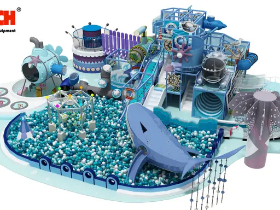
Ball pits are a common feature in commercial entertainment venues such as amusement parks, arcades, and kids' play centers. These ball pits are designed to accommodate a large number of children, providing an exciting and dynamic space for play. Some ball pits are even designed with themed elements, such as slides or tunnels, to enhance the fun and make the experience more immersive. Large entertainment centers may have multiple ball pits, each designed to cater to different age groups, from toddlers to older children.
In recent years, home ball pits have become increasingly popular, especially among parents looking to create a fun and safe play environment for their children. These home setups can be smaller and more manageable, providing a safe space for kids to play indoors. Parents can buy portable or inflatable ball pits, which are easy to set up and take down. However, they also come with some downsides, such as the need for frequent cleaning and the potential for balls to scatter throughout the home.
Advantage | Disadvantage |
Portability | Easy to set up and move around at home. |
Cost-Effective | Less expensive than larger, commercial ball pits. |
Hygiene | Requires frequent cleaning to maintain sanitation. |
In therapeutic settings, ball pits are often used for sensory integration therapy. Children with autism or other developmental disorders benefit from the controlled, soft environment of a ball pit. The sensation of moving through the balls helps these children process sensory stimuli in a safe, non-threatening way. Physical therapists also use ball pits to help improve coordination, balance, and spatial awareness in a therapeutic context.
Despite their popularity, ball pits are not without their safety concerns. Hygiene can be a major issue, as ball pits can become breeding grounds for bacteria if not cleaned regularly. Some public ball pits may also harbor allergens, which could pose potential health risks for sensitive children. To mitigate these concerns, commercial ball pits are often cleaned and sanitized multiple times a day. Overcrowding is another concern, as having too many children in the pit at once can create dangerous situations. Children may climb over one another or jump into the pit, leading to injury. Proper supervision and limiting the number of children in the pit at one time can help reduce this risk. Although the balls are soft, accidental injuries can still occur due to obstacles or collisions with other children, causing bumps or bruises. Ensuring that the pit is large enough and properly maintained is essential to reducing the risk of injury.
Proper cleaning and maintenance are crucial to keeping ball pits safe:
● Frequent Cleaning: Commercial ball pits should be cleaned and sanitized regularly to avoid germs and bacteria buildup. Many facilities use specialized machines that clean the balls and the pit itself.
● Quality Checks: Ensuring that the balls are intact and not worn out is an important safety measure. Damaged or cracked balls could potentially hurt a child. Replacement of damaged balls is key to maintaining safety.
● Supervision: Ball pits should always be supervised by responsible adults to avoid accidents, especially in public spaces. Facilities often provide staff to monitor the play area and ensure children are playing safely.
Ball pits have come a long way from their humble beginnings. Originally simple pits of plastic balls, they have evolved into more complex play zones that incorporate slides, tunnels, and other elements to increase interaction and engagement. Today, themed ball pits featuring animals, fantasy characters, or adventure settings are common, making the experience more exciting and immersive for children. These themed ball pits enhance the play experience, adding elements of imagination and creativity.
The future of ball pits looks bright, with innovations such as technology-enhanced ball pits on the horizon. From interactive lights to gamified elements, these advancements aim to make ball pits even more engaging for users. Additionally, as therapeutic use of ball pits continues to rise, we may see more specialized setups designed for specific sensory needs.
Ball pits are not just fun—they’re also a valuable tool for physical, social, and therapeutic development. Whether in amusement parks, at home, or in therapy centers, MICH continues to offer innovative ball pit solutions that captivate people of all ages. They provide a safe, enjoyable environment where children can explore, learn, and grow. With their evolving designs and increasing applications, ball pits will remain a beloved feature in play zones, therapy settings, and beyond.
Tip: If you're considering adding a ball pit to your indoor soft playground, remember to prioritize safety and hygiene. Ensure that the pit is regularly cleaned and that it meets all safety standards to create a fun and safe environment for children.
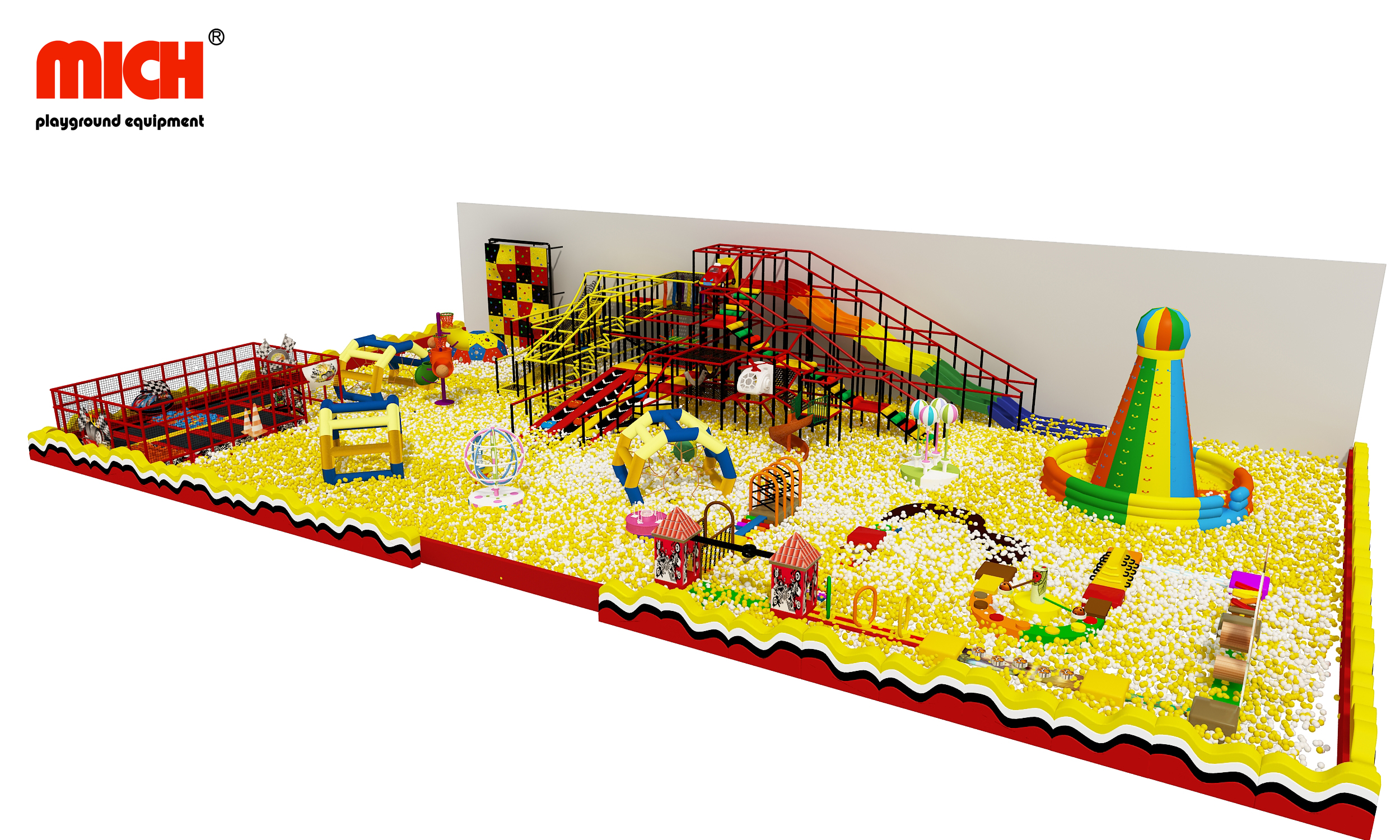
A: A ball pit is an enclosed area filled with soft plastic balls, providing a fun and safe space for children to play. Often found in indoor soft playgrounds, ball pits help improve coordination, motor skills, and social interaction.
A: A ball pit works by allowing children to jump, dive, and interact with soft plastic balls, which cushion their movements. It promotes physical play, helps develop motor skills, and encourages social interaction in a safe environment.
A: Ball pits are popular in indoor soft playgrounds because they offer a sensory-rich experience, engaging children in physical play while promoting motor skill development and social interaction in a safe, enjoyable setting.
A: Ball pits help children develop motor skills, improve coordination, and enhance social interaction. They provide sensory stimulation and offer a fun, safe environment for physical play, which is important for a child's growth and development.
A: Yes, ball pits are generally safe for children. They are designed with safety features such as soft plastic balls and barriers. However, proper supervision and regular cleaning are essential to ensure the safety and hygiene of the pit.